Blogs

Can I Sell My Static Caravan While It Is on a Holiday Park?

If your static caravan is currently sited on a holiday park, you may be wondering whether you can sell it independently or whether the park must handle the sale.

The answer depends largely on your holiday park agreement.

Different parks can have different requirements concerning private sales, commissions, transfers and caravan removal. Therefore, before advertising your caravan or accepting an offer, it is important to understand exactly what your agreement allows.

This guide explains what to check when you want to sell a static caravan on a holiday park, how the process can work and what to consider before choosing a buyer.
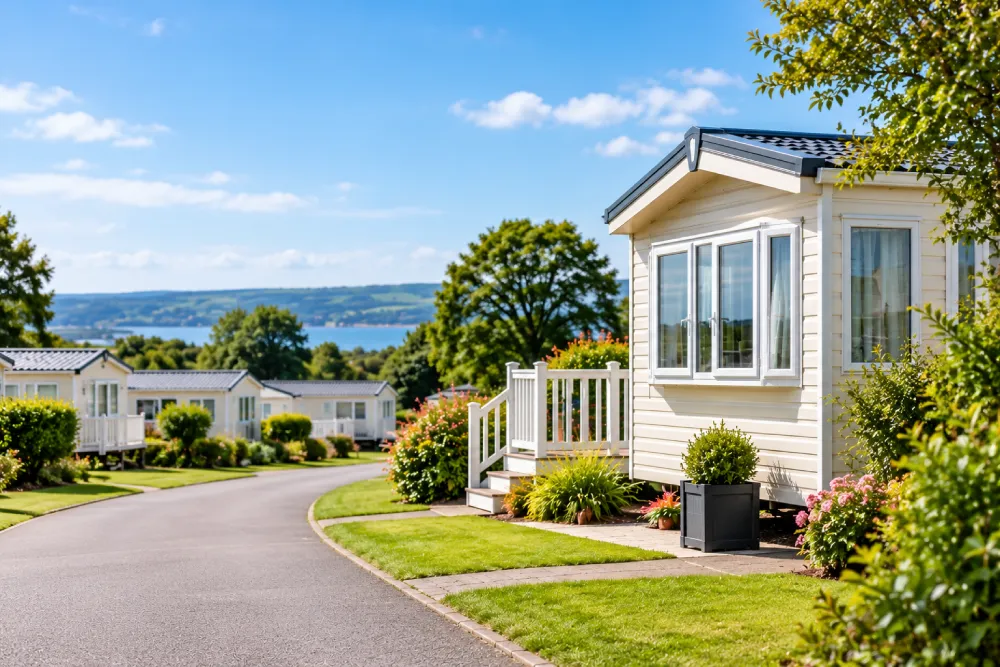
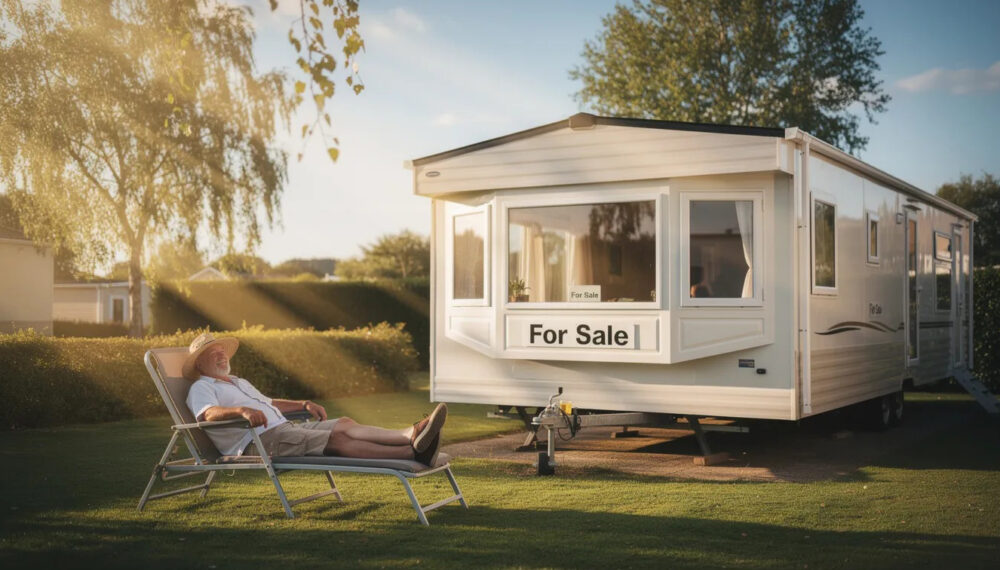
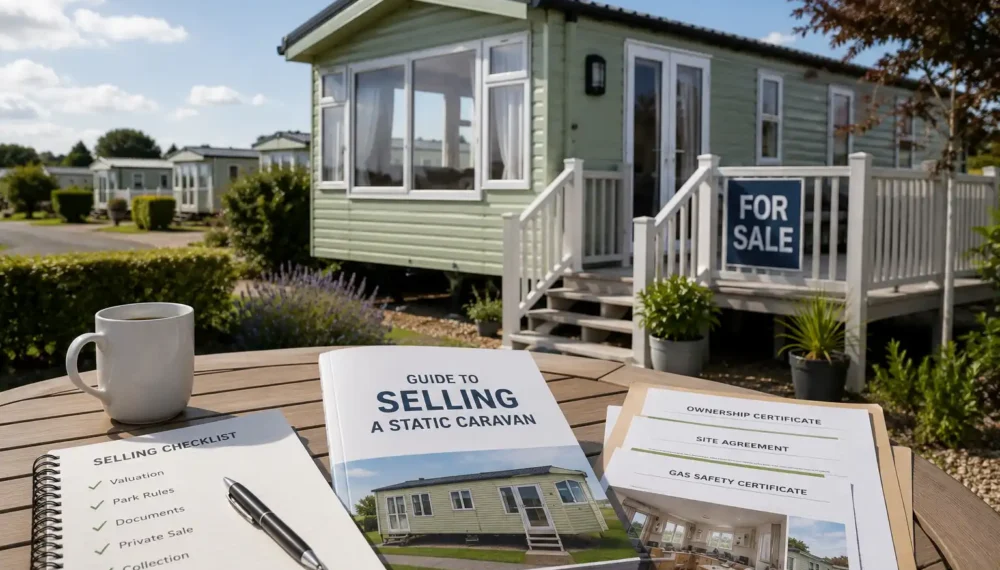
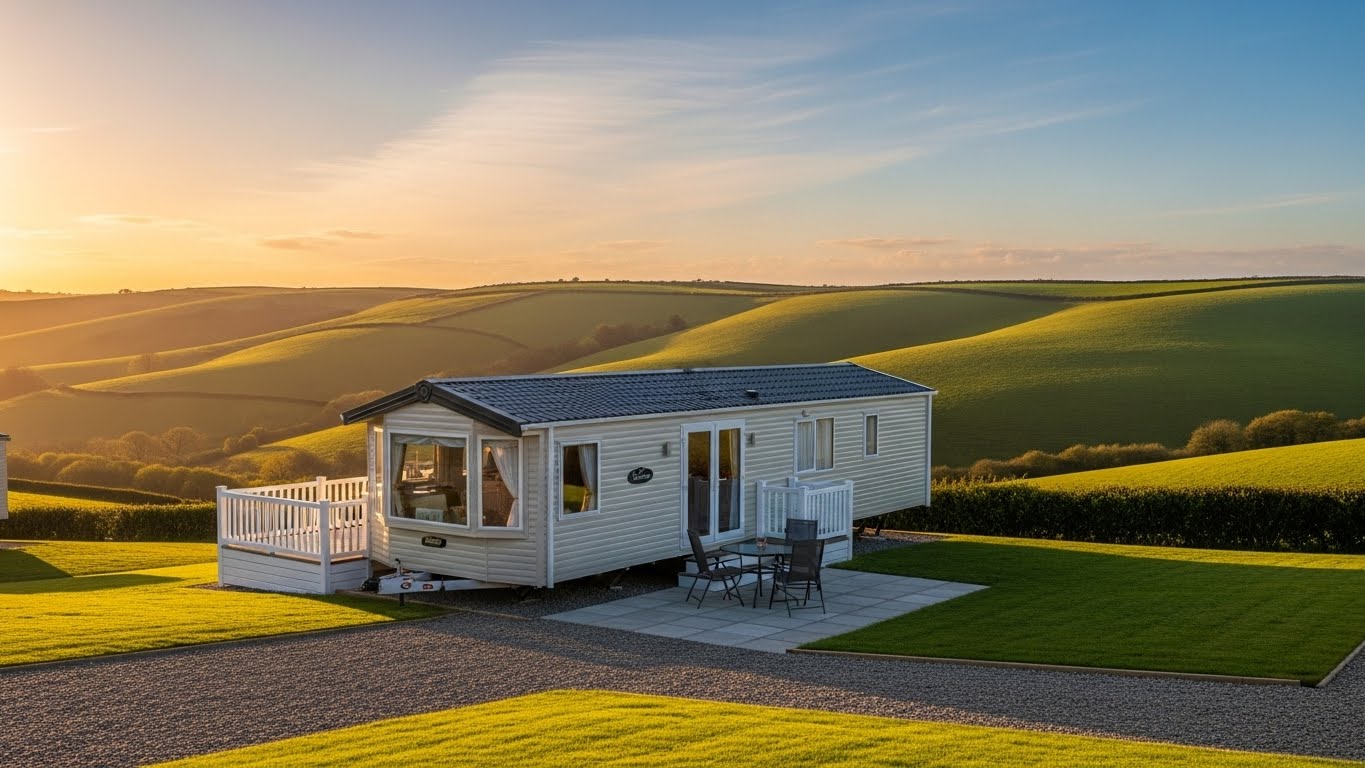
Static caravan on a landscaped UK holiday park ready for sale and valuation.
we buy static caravan

What Is the Quickest Way to Sell a Static Caravan?

For owners prioritising speed and convenience, selling directly to a specialist static caravan buyer can be one of the simplest options.

Instead of advertising your caravan and waiting for individual buyers, you can provide information about your caravan directly to the buyer for valuation.

The typical process involves:

  1. Providing your caravan details.
  2. Receiving a valuation or offer.
  3. Checking and accepting the offer.
  4. Completing any necessary park arrangements.
  5. Confirming payment.
  6. Arranging collection.

However, the best selling method depends on your circumstances, caravan and holiday park agreement.

Step 1: Find Out What Your Static Caravan Is Worth

Before deciding how to sell, establish a realistic idea of your caravan’s current value.

Static caravan values can vary considerably. The original purchase price alone does not determine what your caravan may be worth today.

Factors that can influence a valuation include:

  • Manufacturer and model
  • Age and year of manufacture
  • Overall condition
  • Size and specification
  • Interior condition
  • Exterior condition
  • Current location
  • Accessibility for collection
  • Whether it remains on a holiday park
  • Current market demand

Providing accurate information and recent photographs can make the valuation process easier.

If you’re asking “how much is my static caravan worth?”, start with a valuation before making decisions about the sale.

Check Your Holiday Park Agreement

This is an important step if your static caravan is currently located on a holiday park.

Park agreements can differ, so check the terms relating to selling, transferring ownership and removing a caravan.

Depending on your agreement, you may need to consider:

  • Whether the park needs to approve a sale
  • Whether private sales are permitted
  • Whether the park has first refusal
  • Any outstanding pitch or site fees
  • Commission or administration charges
  • Disconnection requirements
  • Access arrangements for collection
  • Rules concerning removal from the park

Checking these details early can prevent unexpected delays once you have found a buyer.

If anything is unclear, speak directly with the park operator before completing the transaction.

Step 3: Decide How You Want to Sell Your Static Caravan

There are three common routes.

Sell Your Static Caravan Privately

A private sale gives you control over advertising and negotiations.

However, you may need to:

  • Photograph and advertise the caravan
  • Answer enquiries
  • Arrange viewings
  • Negotiate the price
  • Verify the buyer
  • Arrange payment
  • Deal with collection or transport

This route may suit owners who are prepared to wait for the right buyer.

Sell Through Your Holiday Park

Your park may offer a resale service or have its own procedures for selling caravans.

This can be convenient, but check the agreement carefully so you understand any commissions, charges and restrictions before proceeding.

Sell Directly to a Static Caravan Buyer

If your priority is a quick static caravan sale, approaching a specialist buyer can reduce the amount of work involved.

You provide the caravan’s details, receive an offer and, if you are happy to proceed, arrange the remaining steps.

At HD Caravans, owners can submit their caravan details for a no-obligation valuation.

Step 4: Prepare the Information Needed for Your Valuation

Having the right information ready can speed up your enquiry.

Try to provide:

  • Caravan manufacturer
  • Model
  • Year
  • Dimensions
  • Number of bedrooms
  • Current location
  • Holiday park name, where applicable
  • General condition
  • Details of significant damage
  • Clear interior photographs
  • Clear exterior photographs

Be accurate about the caravan’s condition. Honest information helps the buyer assess the caravan properly and reduces the possibility of issues arising later.

Step 5: Review the Offer Carefully

A fast sale should still be a considered sale.

When you receive an offer, establish exactly what it includes.

Ask:

Is collection included?
Transporting a static caravan requires specialist equipment, so determine who is responsible for collection and its cost.

When will payment be made?
Make sure the payment arrangements are clear before the caravan changes hands.

Could there be additional deductions?
Understand whether collection, administration or other costs could affect the amount you receive.

How long is the offer valid?
Knowing the timeframe gives you an opportunity to make an informed decision.

HD Caravans provides written quotes that are valid for seven days, helping sellers understand the offer before deciding whether to proceed.

Step 6: Arrange Payment Securely

Payment is one of the most important parts of selling a static caravan.

Before ownership or possession is transferred, make sure you understand:

  • The agreed selling price
  • Payment method
  • When payment will be made
  • Whether any deductions apply
  • Who is purchasing the caravan

Keep written records relating to the agreed transaction.

Never feel pressured to release a caravan simply because someone claims that payment has been made. Confirm that the agreed payment has been received according to the arrangements you made with the buyer.

Step 7: Organise Static Caravan Collection

Collection is another area where selling a static caravan differs significantly from selling a car or ordinary household item.

A static caravan may need to be disconnected, prepared and transported using specialist equipment.

Important considerations can include:

  • Access to the caravan
  • Holiday park permission
  • Disconnection
  • Decking or attachments
  • Collection vehicle access
  • Suitable collection dates
  • Site-specific removal requirements

HD Caravans offers collection as part of its buying service, reducing the number of separate arrangements sellers need to make.

How Can I Make My Static Caravan Easier to Sell?

You do not necessarily need to spend large amounts renovating an older caravan before requesting a valuation.

Instead, concentrate on presenting its condition accurately.

Clean and Declutter

A clean caravan is easier to assess from photographs and during an inspection.

Gather Your Paperwork

Keep relevant documents together, including ownership information and your holiday park agreement where available.

Be Honest About Its Condition

Damage or wear does not necessarily mean a caravan cannot be sold. Providing accurate information from the outset makes the process more transparent.

Get a Fast Valuation for Your Static Caravan

Why Sell Your Static Caravan to HD Caravans?

HD Caravans provides a straightforward route for owners who want to sell without managing a private advertising campaign themselves.

The process begins by submitting information about your caravan for valuation.

HD Caravans can assist with:

  • Static caravan valuations
  • Written offers
  • Nationwide purchasing
  • Collection arrangements
  • Caravans of different ages and conditions
  • A straightforward selling process

If you’re thinking “I want to sell my static caravan”, the first step is simply finding out what it could be worth.

Should I Sell My Static Caravan or Keep It?

Selling is a personal and financial decision.

Owners commonly consider selling because:

  • They no longer use the caravan regularly.
  • Site fees have become difficult to justify.
  • Their circumstances have changed.
  • They want to upgrade or change holiday arrangements.
  • The caravan is approaching an age where park restrictions may apply.
  • They would prefer to release its remaining value.

Consider both the financial costs of keeping the caravan and how much you realistically expect to use it.

What Can Delay a Static Caravan Sale?

If speed matters, several common issues are worth addressing early.

Missing Caravan Information

If the make, model, year or condition is unclear, the buyer may need further information before providing an accurate offer.

Poor Photographs

Dark, incomplete or outdated photographs can make remote valuation more difficult.

Holiday Park Restrictions

A buyer may be ready to proceed, but park rules can still delay removal.

Outstanding Site Issues

Outstanding charges or unresolved contractual matters may need to be addressed before the caravan leaves the park.

Difficult Collection Access

Restricted access, decking, structures or other obstacles around the caravan can affect collection arrangements.

Identifying these issues before agreeing a sale can save considerable time later.
Buy My Static Caravan in Devon

Frequently Asked Questions

The timescale depends on your caravan, buyer, park requirements and collection arrangements. Providing accurate details and photographs and checking your park agreement beforehand can help avoid delays. Selling directly to a specialist buyer can also remove the need for private advertising.
You should ideally provide the manufacturer, model, age, dimensions, location and details about its condition. Clear interior and exterior photographs are also helpful. If your caravan is on a holiday park, keep your site agreement and ownership information available.
Potentially, but you should check your park agreement first. Holiday parks can have different rules regarding private sales, commission, ownership transfers and caravan removal. Understanding these conditions before accepting an offer can prevent unexpected costs or delays later.
Not necessarily. Whether repairs are worthwhile depends on their cost and how much they could realistically increase the caravan’s value. If selling to a specialist buyer, provide accurate photographs and information about damage before spending significant amounts on refurbishment.
This depends on the selling method and agreement with your buyer. If collection is included, the buyer may organise transportation and necessary arrangements. Always establish responsibility for disconnection, collection and associated costs before agreeing to complete the sale.
Its value depends on factors including manufacturer, model, age, condition, specification, location and current demand. The easiest starting point is to request a professional valuation using accurate caravan information and clear photographs to support the assessment.
For owners who want to avoid advertising, viewings and negotiating with multiple private buyers, selling directly to a specialist static caravan buyer can be simpler. You provide your caravan details, review an offer and arrange payment and collection if accepted.

How to Sell a Static Caravan Quickly Without the Stress

If you want to sell a static caravan quickly, having a clear plan can make the process significantly easier. From establishing its value and checking your holiday park agreement to choosing a buyer, arranging payment and organising collection, there are several important steps to consider.

Selling privately may mean advertising the caravan, responding to enquiries and arranging viewings. Selling through a holiday park may involve specific rules or charges. Alternatively, selling directly to an experienced static caravan buyer can provide a more straightforward route.

At HD Caravans, we help owners looking to sell their static caravans across the UK with valuations, offers and collection.

This guide explains how to sell your static caravan quickly while avoiding some of the delays and complications that can make the process stressful.

How to Sell a Static Caravan Quickly Without the Stress
we buy static caravan

What Is the Quickest Way to Sell a Static Caravan?

For owners prioritising speed and convenience, selling directly to a specialist static caravan buyer can be one of the simplest options.

Instead of advertising your caravan and waiting for individual buyers, you can provide information about your caravan directly to the buyer for valuation.

The typical process involves:

  1. Providing your caravan details.
  2. Receiving a valuation or offer.
  3. Checking and accepting the offer.
  4. Completing any necessary park arrangements.
  5. Confirming payment.
  6. Arranging collection.

However, the best selling method depends on your circumstances, caravan and holiday park agreement.

Step 1: Find Out What Your Static Caravan Is Worth

Before deciding how to sell, establish a realistic idea of your caravan’s current value.

Static caravan values can vary considerably. The original purchase price alone does not determine what your caravan may be worth today.

Factors that can influence a valuation include:

  • Manufacturer and model
  • Age and year of manufacture
  • Overall condition
  • Size and specification
  • Interior condition
  • Exterior condition
  • Current location
  • Accessibility for collection
  • Whether it remains on a holiday park
  • Current market demand

Providing accurate information and recent photographs can make the valuation process easier.

If you’re asking “how much is my static caravan worth?”, start with a valuation before making decisions about the sale.

Check Your Holiday Park Agreement

This is an important step if your static caravan is currently located on a holiday park.

Park agreements can differ, so check the terms relating to selling, transferring ownership and removing a caravan.

Depending on your agreement, you may need to consider:

  • Whether the park needs to approve a sale
  • Whether private sales are permitted
  • Whether the park has first refusal
  • Any outstanding pitch or site fees
  • Commission or administration charges
  • Disconnection requirements
  • Access arrangements for collection
  • Rules concerning removal from the park

Checking these details early can prevent unexpected delays once you have found a buyer.

If anything is unclear, speak directly with the park operator before completing the transaction.

Step 3: Decide How You Want to Sell Your Static Caravan

There are three common routes.

Sell Your Static Caravan Privately

A private sale gives you control over advertising and negotiations.

However, you may need to:

  • Photograph and advertise the caravan
  • Answer enquiries
  • Arrange viewings
  • Negotiate the price
  • Verify the buyer
  • Arrange payment
  • Deal with collection or transport

This route may suit owners who are prepared to wait for the right buyer.

Sell Through Your Holiday Park

Your park may offer a resale service or have its own procedures for selling caravans.

This can be convenient, but check the agreement carefully so you understand any commissions, charges and restrictions before proceeding.

Sell Directly to a Static Caravan Buyer

If your priority is a quick static caravan sale, approaching a specialist buyer can reduce the amount of work involved.

You provide the caravan’s details, receive an offer and, if you are happy to proceed, arrange the remaining steps.

At HD Caravans, owners can submit their caravan details for a no-obligation valuation.

Step 4: Prepare the Information Needed for Your Valuation

Having the right information ready can speed up your enquiry.

Try to provide:

  • Caravan manufacturer
  • Model
  • Year
  • Dimensions
  • Number of bedrooms
  • Current location
  • Holiday park name, where applicable
  • General condition
  • Details of significant damage
  • Clear interior photographs
  • Clear exterior photographs

Be accurate about the caravan’s condition. Honest information helps the buyer assess the caravan properly and reduces the possibility of issues arising later.

Step 5: Review the Offer Carefully

A fast sale should still be a considered sale.

When you receive an offer, establish exactly what it includes.

Ask:

Is collection included?
Transporting a static caravan requires specialist equipment, so determine who is responsible for collection and its cost.

When will payment be made?
Make sure the payment arrangements are clear before the caravan changes hands.

Could there be additional deductions?
Understand whether collection, administration or other costs could affect the amount you receive.

How long is the offer valid?
Knowing the timeframe gives you an opportunity to make an informed decision.

HD Caravans provides written quotes that are valid for seven days, helping sellers understand the offer before deciding whether to proceed.

Step 6: Arrange Payment Securely

Payment is one of the most important parts of selling a static caravan.

Before ownership or possession is transferred, make sure you understand:

  • The agreed selling price
  • Payment method
  • When payment will be made
  • Whether any deductions apply
  • Who is purchasing the caravan

Keep written records relating to the agreed transaction.

Never feel pressured to release a caravan simply because someone claims that payment has been made. Confirm that the agreed payment has been received according to the arrangements you made with the buyer.

Step 7: Organise Static Caravan Collection

Collection is another area where selling a static caravan differs significantly from selling a car or ordinary household item.

A static caravan may need to be disconnected, prepared and transported using specialist equipment.

Important considerations can include:

  • Access to the caravan
  • Holiday park permission
  • Disconnection
  • Decking or attachments
  • Collection vehicle access
  • Suitable collection dates
  • Site-specific removal requirements

HD Caravans offers collection as part of its buying service, reducing the number of separate arrangements sellers need to make.

How Can I Make My Static Caravan Easier to Sell?

You do not necessarily need to spend large amounts renovating an older caravan before requesting a valuation.

Instead, concentrate on presenting its condition accurately.

Clean and Declutter

A clean caravan is easier to assess from photographs and during an inspection.

Gather Your Paperwork

Keep relevant documents together, including ownership information and your holiday park agreement where available.

Be Honest About Its Condition

Damage or wear does not necessarily mean a caravan cannot be sold. Providing accurate information from the outset makes the process more transparent.

Get a Fast Valuation for Your Static Caravan

Why Sell Your Static Caravan to HD Caravans?

HD Caravans provides a straightforward route for owners who want to sell without managing a private advertising campaign themselves.

The process begins by submitting information about your caravan for valuation.

HD Caravans can assist with:

  • Static caravan valuations
  • Written offers
  • Nationwide purchasing
  • Collection arrangements
  • Caravans of different ages and conditions
  • A straightforward selling process

If you’re thinking “I want to sell my static caravan”, the first step is simply finding out what it could be worth.

Should I Sell My Static Caravan or Keep It?

Selling is a personal and financial decision.

Owners commonly consider selling because:

  • They no longer use the caravan regularly.
  • Site fees have become difficult to justify.
  • Their circumstances have changed.
  • They want to upgrade or change holiday arrangements.
  • The caravan is approaching an age where park restrictions may apply.
  • They would prefer to release its remaining value.

Consider both the financial costs of keeping the caravan and how much you realistically expect to use it.

What Can Delay a Static Caravan Sale?

If speed matters, several common issues are worth addressing early.

Missing Caravan Information

If the make, model, year or condition is unclear, the buyer may need further information before providing an accurate offer.

Poor Photographs

Dark, incomplete or outdated photographs can make remote valuation more difficult.

Holiday Park Restrictions

A buyer may be ready to proceed, but park rules can still delay removal.

Outstanding Site Issues

Outstanding charges or unresolved contractual matters may need to be addressed before the caravan leaves the park.

Difficult Collection Access

Restricted access, decking, structures or other obstacles around the caravan can affect collection arrangements.

Identifying these issues before agreeing a sale can save considerable time later.

Buy My Static Caravan in Devon

Frequently Asked Questions

The timescale depends on your caravan, buyer, park requirements and collection arrangements. Providing accurate details and photographs and checking your park agreement beforehand can help avoid delays. Selling directly to a specialist buyer can also remove the need for private advertising.
You should ideally provide the manufacturer, model, age, dimensions, location and details about its condition. Clear interior and exterior photographs are also helpful. If your caravan is on a holiday park, keep your site agreement and ownership information available.
Potentially, but you should check your park agreement first. Holiday parks can have different rules regarding private sales, commission, ownership transfers and caravan removal. Understanding these conditions before accepting an offer can prevent unexpected costs or delays later.
Not necessarily. Whether repairs are worthwhile depends on their cost and how much they could realistically increase the caravan’s value. If selling to a specialist buyer, provide accurate photographs and information about damage before spending significant amounts on refurbishment.
This depends on the selling method and agreement with your buyer. If collection is included, the buyer may organise transportation and necessary arrangements. Always establish responsibility for disconnection, collection and associated costs before agreeing to complete the sale.
Its value depends on factors including manufacturer, model, age, condition, specification, location and current demand. The easiest starting point is to request a professional valuation using accurate caravan information and clear photographs to support the assessment.
For owners who want to avoid advertising, viewings and negotiating with multiple private buyers, selling directly to a specialist static caravan buyer can be simpler. You provide your caravan details, review an offer and arrange payment and collection if accepted.

How Much Is My Static Caravan Worth? A Complete Valuation Guide

If you are considering selling your holiday home, one of the first questions you are likely to ask is: how much is my static caravan worth?
There is no single formula for calculating the value of a static caravan. Age is important, but it is only one part of the picture. The manufacturer, model, condition, size, location, park rules and current market demand can all influence what a buyer may be willing to pay.

Understanding these factors can help you set realistic expectations before selling.
In this guide, we explain how static caravan valuations work, what can increase or reduce resale value and what information you should provide when requesting a professional valuation.

How Much Is My Static Caravan Worth?

The value of your static caravan depends on its individual specification, condition and circumstances. Two caravans manufactured in the same year may have very different values because one is a more desirable model, has been better maintained or is located somewhere easier to access and collect.

When valuing a static caravan, buyers typically consider:

  • Make and model
  • Year of manufacture
  • Size and layout
  • Number of bedrooms
  • Overall condition
  • Signs of damp or damage
  • Interior specification
  • Holiday park and location
  • Accessibility for removal
  • Current demand for the model

Therefore, the most reliable way to answer “what is my static caravan worth?” is to obtain a current valuation based on your specific caravan rather than relying on generic online estimates.

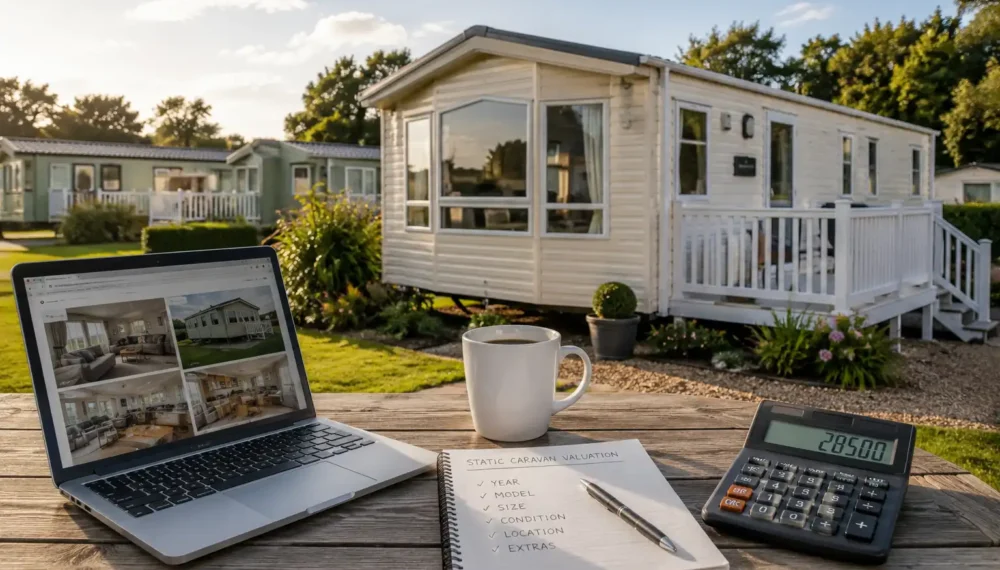
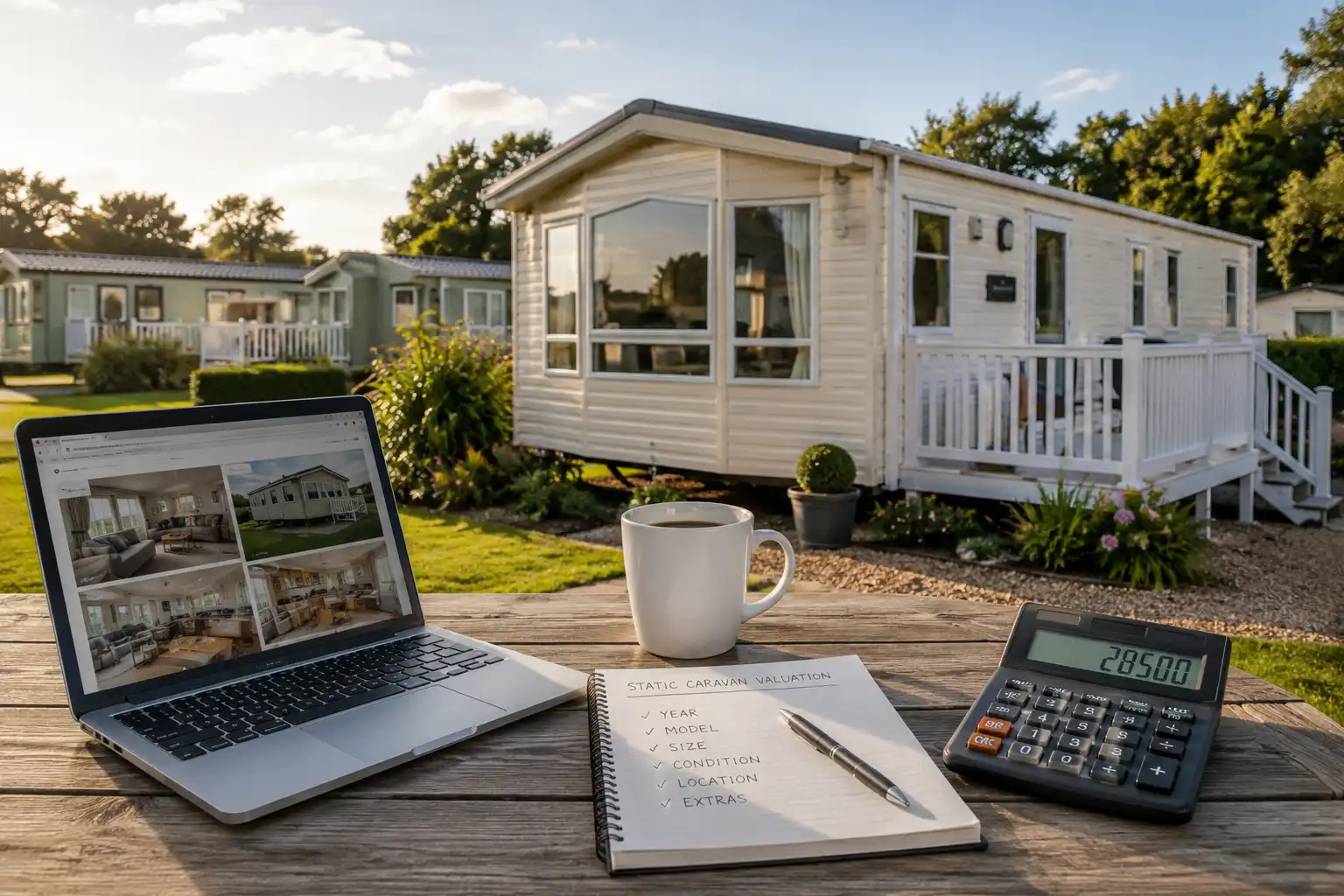
Static caravan valuation with laptop, calculator and checklist showing factors affecting caravan value

How Is a Static Caravan Valued?

A professional static caravan valuation considers several factors together rather than looking only at age.

An experienced buyer will usually ask for basic information about the caravan and may request photographs showing its current condition.

The valuation can then take account of the caravan’s likely resale potential, transportation requirements and current market demand.

Providing accurate information from the beginning is important. If significant damage or other issues are discovered later, an initial estimate may need to change.

1. Age of the Static Caravan

Age is one of the biggest factors affecting static caravan value.

Like many vehicles and leisure products, static caravans generally depreciate over time. A newer caravan will therefore usually be worth more than a comparable older model.

However, age alone does not determine value.

A well-maintained older caravan from a desirable manufacturer may still attract interest, while a newer caravan with substantial damp or structural damage could be worth less than expected.

When requesting a valuation, provide the correct year of manufacture whenever possible.

2. Make and Model

Manufacturer and model can have a significant influence on resale demand.

Certain manufacturers have established strong reputations within the UK holiday home market, and particular models may remain popular because of their layouts, build quality, specifications or availability.

Common UK static caravan manufacturers include:

  • ABI
  • Atlas
  • Carnaby
  • Swift
  • Willerby
  • Victory

The exact model matters too.

Two caravans from the same manufacturer and year can have different resale values because their original specifications, sizes and layouts are different.

Always provide both the manufacturer and model when requesting a static caravan valuation.

3. Size and Layout

Static caravans are available in many different dimensions and configurations.

Size can influence both buyer demand and transportation requirements.

A valuation may consider:

  • Caravan length
  • Caravan width
  • Number of bedrooms
  • Number of bathrooms
  • Open-plan or separate living areas
  • Kitchen configuration
  • Storage
  • Overall floor plan

A spacious caravan is not automatically more valuable, however. Demand for a particular size and layout also matters.

4. Number of Bedrooms

Bedroom configuration is another consideration.

Two and three-bedroom static caravans are common throughout UK holiday parks, but their desirability can vary depending on the model and intended market.

A three-bedroom caravan may suit larger families, while a high-quality two-bedroom model could offer larger rooms or additional living space.

For this reason, bedroom numbers should be considered alongside the overall model and specification rather than as an isolated valuation factor.

5. Overall Condition

Conditions can make a substantial difference to how much a static caravan is worth.

A buyer will want to understand how the caravan has been maintained and whether significant work may be required.

Important areas can include:

Exterior Condition

The exterior may be assessed for:

  • Damaged cladding
  • Roof problems
  • Window condition
  • Door condition
  • Damaged seals
  • Corrosion
  • Guttering problems
  • Visible structural issues

Minor cosmetic wear is expected on an older caravan, but significant damage can affect its value.

Interior Condition

Inside, buyers may consider:

  • Flooring
  • Walls and ceilings
  • Furniture
  • Kitchen units
  • Appliances
  • Bathroom fixtures
  • Bedrooms
  • Windows
  • General cleanliness and maintenance

A clean and well-maintained caravan is easier to assess and may be more attractive than one requiring extensive work.

6. Damp and Water Damage

Damp is particularly important when assessing an older static caravan.

Potential warning signs include:

  • Musty smells
  • Mould
  • Water staining
  • Discolouration
  • Soft wall or floor areas
  • Peeling surfaces
  • Persistent condensation

The presence of damp does not necessarily mean that you cannot sell your static caravan. However, its extent and the repairs required can affect its value.

Be transparent about known problems when requesting a valuation.

7. Interior Specification and Features

Specification can also influence desirability.

Depending on the age and model, useful features may include:

  • Double glazing
  • Central heating
  • Integrated appliances
  • En-suite facilities
  • Freestanding furniture
  • Modern kitchen
  • Additional storage
  • High-quality fixtures

However, owners should be cautious about assuming that the amount spent on upgrades will automatically be added to the caravan’s resale value.

Market demand remains important.

8. Location of the Static Caravan

Your caravan’s current location can influence the valuation, particularly when it needs to be removed.

A buyer may need to consider the logistics of collecting and transporting it.

Factors can include:

  • Distance
  • Holiday park access
  • Road access
  • Pitch location
  • Space for transport vehicles
  • Obstacles surrounding the caravan
  • Park collection restrictions

Providing the holiday park name or current location when requesting a valuation helps the buyer understand these practical considerations.

9. Holiday Park Rules and Licence Agreements

If your caravan is situated on a holiday park, its licence agreement can influence your selling options.

Parks may have rules covering:

  • Private sales
  • Resale commission
  • Ownership transfers
  • Caravan removal
  • Age limits
  • Pitch agreements
  • Notice periods
  • Access for collection

It is important to distinguish between the value of the caravan itself and any perceived value associated with its current pitch.

Selling a caravan does not necessarily mean the new owner automatically acquires the right to use the existing pitch.

Check your park agreement before committing to a sale.

10. Remaining Site Licence

Many holiday parks have rules governing how long a static caravan can remain on the park.

If your caravan is approaching the end of its permitted period, you may need to consider selling or removing it.

This does not necessarily mean the caravan has no value.

A professional static caravan buyer may still be interested in purchasing and removing an older caravan depending on its make, model, condition and market demand.

11. Current Market Demand

Static caravan values are also affected by the market.

Demand can change depending on factors such as:

  • Manufacturer
  • Model
  • Age
  • Size
  • Condition
  • Season
  • Availability
  • Wider demand for used caravans

This is one reason why an old valuation should not be treated as your caravan’s current value.

If you are thinking about selling now, obtain a current static caravan valuation.

Does a Static Caravan Depreciate?

Generally, yes.

Static caravans typically lose value as they age, particularly compared with their original retail purchase price.

However, depreciation is not always predictable.

For example, the amount originally paid may have included costs associated with:

  • Holiday park location
  • Pitch
  • Siting
  • Transport
  • Connections
  • Decking
  • Park charges
  • Dealer margins
  • Additional packages

These elements may not translate directly into the caravan’s resale value.

This is why comparing your current valuation directly with the amount originally paid can sometimes be misleading.

How Much Value Does a Static Caravan Lose Each Year?

There is no reliable percentage that applies to every static caravan.

Depreciation depends on the individual caravan and market conditions.

A newer caravan can experience different depreciation from an older model, while demand for particular manufacturers and specifications can influence resale prices.

Be cautious of online calculators that claim every static caravan loses exactly the same percentage each year.

A valuation based on the actual caravan provides a more useful indication.

Does Decking Increase Static Caravan Value?

Decking can improve the enjoyment and appearance of a holiday home, but it does not necessarily add an equivalent amount to the caravan’s resale value.

If the caravan is being removed from the holiday park, decking may remain on the pitch or require separate removal.

Before selling, establish whether decking is:

  • Included in the transaction
  • Owned by you
  • Required to remain on the pitch
  • Being removed separately

Do not assume that expensive decking will automatically increase a professional buyer’s offer by the amount you originally paid for it.

Do Improvements Increase the Value of a Static Caravan?

Some improvements can make a caravan more attractive, but the cost of an upgrade does not necessarily equal the increase in resale value.

Examples include:

  • New carpets
  • Replacement furniture
  • New appliances
  • Updated curtains
  • Exterior improvements
  • New mattresses
  • Cosmetic decoration

If you are planning expensive improvements purely because you want to sell, consider obtaining a valuation first.

You may discover that selling the caravan in its current condition makes more financial sense.

Should I Repair My Static Caravan Before Selling It?

Minor maintenance can be worthwhile, particularly when it improves presentation at little cost.

For example:

  • Cleaning thoroughly
  • Removing personal belongings
  • Replacing inexpensive damaged items
  • Tidying exterior areas
  • Addressing simple maintenance issues

More expensive repairs require careful consideration.

If substantial work is required, obtain a valuation before spending money. The cost of repairs may be greater than the increase in resale value they generate.

Can I Sell an Old Static Caravan?

Yes. An older static caravan may still have value.

Professional buyers assess caravans individually, taking into account:

  • Age
  • Make
  • Model
  • Condition
  • Dimensions
  • Location
  • Accessibility
  • Current market demand

If your caravan is approaching the end of its holiday park licence, do not automatically assume it is worthless.

Request a valuation first.

Can I Sell a Static Caravan With Damp or Damage?

Potentially, yes.

Caravans requiring work can still have value, although damage is likely to affect the amount offered.

The most important thing is to provide accurate information.

If there is known damp, structural damage, broken windows or other significant issues, mention them and provide photographs where possible.

This allows a buyer to assess the caravan realistically from the beginning.

How Can I Increase My Static Caravan's Resale Value?

There are several practical steps you can take before requesting a valuation.

Give It a Thorough Clean

A clean caravan allows its true condition to be assessed more easily.

Remove Clutter

Removing personal possessions makes rooms easier to photograph and inspect.

Complete Minor Maintenance

Small, inexpensive repairs may improve overall presentation.

Gather Documentation

Locate relevant information about the make, model, age, specification and park agreement.

Take Clear Photographs

Good photographs help a buyer assess the caravan accurately.

Take pictures of:

  • Front exterior
  • Rear exterior
  • Both sides
  • Lounge
  • Kitchen
  • Bedrooms
  • Bathroom
  • Any damaged areas

Avoid hiding defects. Transparency helps create a smoother valuation and selling process.

What Information Do I Need for a Static Caravan Valuation?

Before requesting a valuation, gather as much accurate information as possible.

Ideally, provide:

  • Manufacturer
  • Model
  • Year
  • Length and width
  • Number of bedrooms
  • Current holiday park or location
  • Overall condition
  • Details of damage or damp
  • Interior specification
  • Clear photographs

The more accurate the information, the easier it is for a buyer to assess your caravan.

Online Static Caravan Valuation vs Professional Valuation

Generic online valuation tools can sometimes provide a broad indication, but they cannot always account for the specific condition, location or accessibility of your caravan.

A professional valuation can consider the actual caravan and current market circumstances.

This is particularly important if your caravan is:

  • Older
  • Damaged
  • Approaching the end of its site licence
  • Located on a holiday park
  • Being sold for removal

If you are seriously considering selling, obtaining a direct valuation can provide a more useful starting point.

Should I Sell Privately or to a Static Caravan Buyer?

Once you know what your caravan may be worth, you need to decide how you want to sell it.

Selling Privately

A private sale gives you control over the asking price, but you may need to manage:

  • Advertising
  • Photography
  • Enquiries
  • Viewings
  • Negotiations
  • Park requirements
  • Payment
  • Ownership transfer

You also need to check whether your holiday park allows private sales.

Selling to a Professional Buyer

Selling directly to a static caravan buyer can be more convenient if your priority is a straightforward transaction.

You do not need to spend time advertising or dealing with numerous prospective buyers.

For a complete explanation of your selling options, read our Complete Guide to Selling a Static Caravan in the UK.

How to Get a Static Caravan Valuation From HD Caravans

HD Caravans has more than 35 years of experience in the static caravan industry and buys static caravans across the UK.

The valuation process is designed to be straightforward.

Step 1: Provide Your Caravan Details

Tell HD Caravans about your caravan, including its make, model, age, location and condition.

Step 2: Provide Photographs

Clear photographs help the team understand the caravan’s current condition.

Step 3: Receive Your Valuation

HD Caravans offers free static caravan valuations and aims to provide an offer within 12 hours once the required information has been received.

Step 4: Decide Whether to Sell

There is no need to spend time creating advertisements or arranging multiple private viewings if you decide to proceed with a direct sale.

Step 5: Payment and Collection

Once the sale is agreed, HD Caravans can arrange instant payment and free collection, subject to the circumstances of the caravan and site.

Frequently Asked Questions About Selling a Static Caravan

Your static caravan’s value depends on its age, manufacturer, model, size, condition, specification, location and current market demand. Providing accurate information and photographs to an experienced caravan buyer is one of the most effective ways to obtain a realistic current valuation.
Gather the make, model, year, dimensions, bedroom configuration, location and details about its condition. Clear photographs of the interior and exterior are also useful. You can then submit this information to a professional static caravan buyer for an up-to-date valuation.
Static caravans generally depreciate over time rather than appreciating like some property. However, depreciation varies according to age, manufacturer, model, condition and demand. The original purchase price may also include park-related costs that are not reflected in the caravan’s later resale value.
An older static caravan can still have value depending on its make, model, dimensions, condition, location and current buyer demand. Even if the caravan is approaching the end of its holiday park licence, obtaining a professional valuation is worthwhile before assuming it has no value.
Decking may improve a holiday home’s appearance and usability, but it does not necessarily increase the caravan’s resale value by its original cost. If the caravan is removed from its pitch, decking may also be excluded from the sale or handled separately.
Yes. A static caravan with damp, cosmetic damage or other problems may still have value. Provide honest details and clear photographs of any damage when requesting a valuation. This enables the buyer to assess its condition and provide a more realistic offer.

Find Out What Your Static Caravan Is Worth

If you have been asking “how much is my static caravan worth?”, you do not need to rely on guesswork or outdated online estimates.

Every caravan is different, and its value can be influenced by everything from age and model to condition, location and current demand.

HD Caravans offers free static caravan valuations, with offers available within 12 hours once the necessary information has been provided.

With over 35 years of industry experience, instant payment and free collection available, HD Caravans provides a straightforward way to value and sell your static caravan.

Request your free static caravan valuation today and find out what your caravan could be worth.

The Complete Guide to Selling a Static Caravan in the UK

Selling a static caravan can seem complicated, particularly if your caravan is located on a holiday park with its own rules regarding sales, transfers and removal. You may be wondering how much your caravan is worth, whether you can sell it privately, what paperwork you need or how quickly you can complete the sale.

The good news is that selling a static caravan can be straightforward when you understand the process and choose the right selling route.

This complete guide explains how to sell a static caravan in the UK, what affects its value, the different ways you can sell, how holiday park rules can affect the transaction and what you can do to make the process easier.

Whether you are upgrading, no longer using your holiday home, facing increasing site fees or simply want to release the value of your caravan, this guide will help you understand your options.

Quick Answer: How Do You Sell a Static Caravan?

The basic process for selling a static caravan usually involves:

  1. Checking your holiday park agreement and selling rules.
  2. Establishing the make, model, age and condition of your caravan.
  3. Obtaining an accurate static caravan valuation.
  4. Choosing whether to sell privately, through the park or to a professional static caravan buyer.
  5. Agreeing a price.
  6. Completing any paperwork or park requirements.
  7. Receiving payment.
  8. Arranging ownership transfer or collection where necessary.

The exact process can vary depending on where your caravan is situated and the terms of your holiday park agreement.

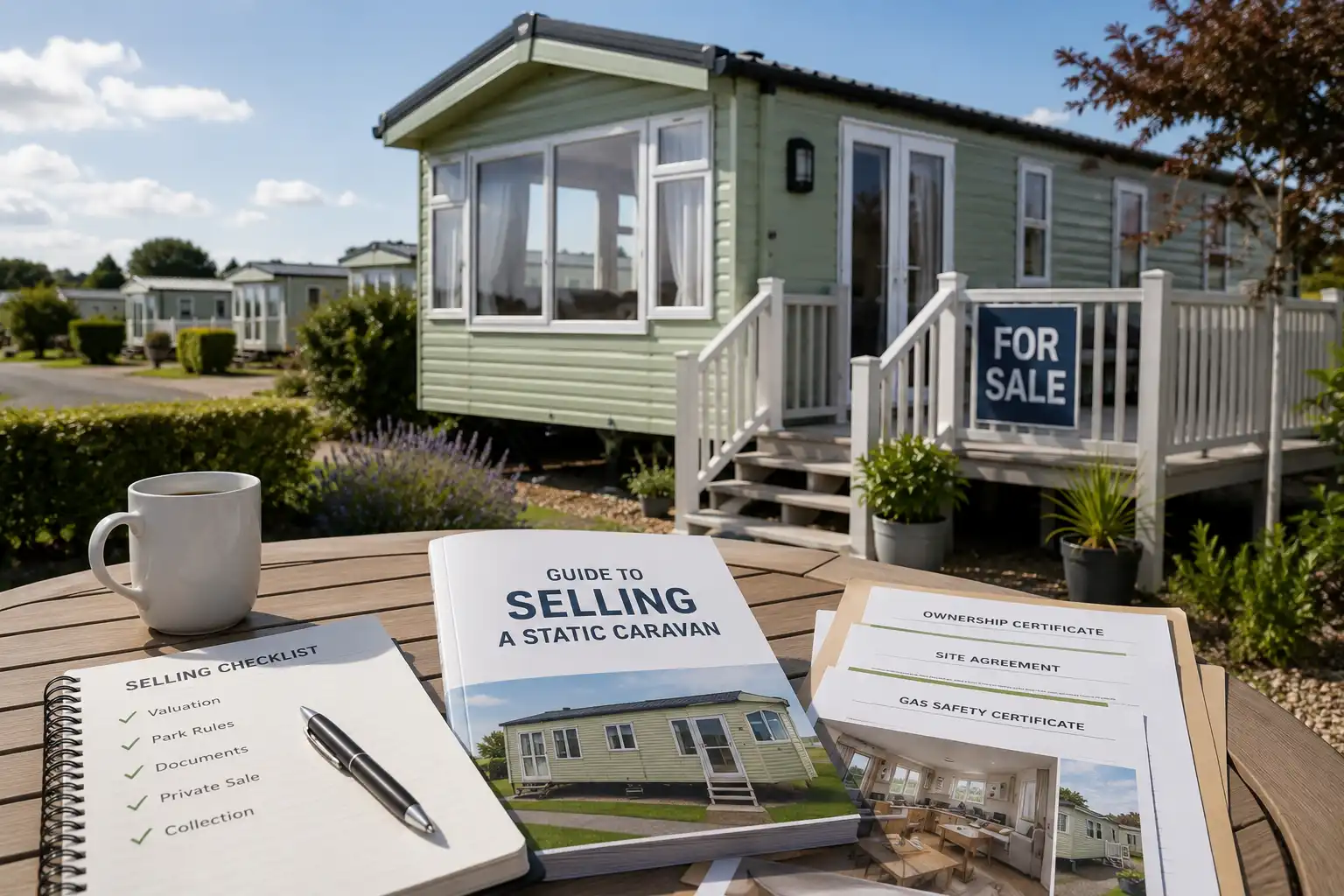
Guide to selling a static caravan with a caravan for sale and selling checklist

Why Do People Sell Their Static Caravans?

There is no single reason for selling a static caravan.

For many owners, their caravan has provided years of holidays and memorable breaks, but circumstances eventually change.

Common reasons include:

  • The caravan is no longer being used regularly
  • Annual pitch or site fees have increased
  • The owner wants to upgrade to a newer model
  • The owner wants to move to another holiday park
  • The park licence is approaching its end
  • Maintenance is becoming more expensive
  • Personal or financial circumstances have changed
  • The caravan has become surplus to requirements

Whatever your reason, understanding your caravan’s current market value should usually be one of your first steps.

How Much Is My Static Caravan Worth?

This is understandably one of the first questions owners ask when considering a sale.

There is no standard price that applies to every static caravan. Two caravans of a similar age can have significantly different values depending on their model, condition, location and current demand.

Factors That Affect Static Caravan Value

The main considerations normally include:

Age

Age can have a significant impact on resale value. Newer caravans will generally command higher prices, although age should never be considered in isolation.
An older, well-maintained caravan may still attract considerable interest depending on its make, model and condition.

Make and Model

Well-known manufacturers and popular models can be easier to resell because buyers recognise them and there may be stronger demand.

Providing the exact make and model when requesting a valuation helps a buyer assess your caravan more accurately.

Condition

The overall condition of the caravan is extremely important.

Buyers may consider:

  • Exterior condition
  • Roof and seals
  • Windows and doors
  • Signs of damp
  • Interior condition
  • Flooring
  • Kitchen and bathroom condition
  • Heating system
  • Furniture and fittings
  • General maintenance history

Be open about damage or defects when requesting a valuation. Accurate information helps avoid unexpected changes later in the process.

Size and Number of Bedrooms

The length and width of the caravan, number of bedrooms and overall layout can influence demand.

For example, larger family-oriented models may appeal to a different market than compact two-bedroom caravans.

Holiday Park and Location

Where your caravan is located can also affect its value and how it can be sold.

A caravan situated on a popular coastal or countryside holiday park may be viewed differently from one that needs to be transported elsewhere.

However, the value of the caravan itself and the value associated with occupying a particular pitch are not necessarily the same thing.

Remaining Park Licence

Some holiday parks impose age limits or licence periods on caravans. If your caravan has several years remaining on its licence, this may affect its options.

Conversely, if the licence is approaching expiry, removal may need to be considered.

Current Market Demand

Static caravan prices are influenced by supply and demand. Particular makes, models, sizes and ages may be more desirable at different times, which is why obtaining a current valuation is more useful than relying on an old purchase price.

For a more detailed explanation, read our guide to the key factors that determine the value of your static caravan.

Does a Static Caravan Depreciate in Value?

Static caravans will generally depreciate as they become older, although depreciation is not necessarily consistent from year to year.

A caravan’s resale price can be influenced by its original purchase price, age, condition, specification and current market demand.

Owners should therefore avoid assuming that their caravan is worth a particular percentage of what they originally paid. A professional valuation based on the caravan’s present condition and market is usually a better starting point.

What Is the Best Way to Sell a Static Caravan?

There are several ways to sell a static caravan in the UK.

The right option depends on whether your priority is achieving a particular price, selling quickly or minimising the amount of work involved.

Option 1: Sell Your Static Caravan Privately

A private sale means finding the buyer yourself.

This could potentially give you greater control over your asking price, but it also means taking responsibility for the selling process.

You may need to:

  • Advertise the caravan
  • Take photographs
  • Write listings
  • Respond to enquiries
  • Arrange viewings
  • Negotiate with potential buyers
  • Verify payment
  • Deal with park requirements
  • Arrange ownership transfer

You must also establish whether your holiday park permits private sales and whether commissions or other charges apply.

Option 2: Sell Through Your Holiday Park

Some parks provide a resale service or require owners to involve park management when selling.

This can make certain parts of the process easier, particularly when a buyer intends to keep the caravan on its existing pitch.

However, check your agreement carefully.

Find out about:

  • Commission
  • Administration charges
  • Transfer fees
  • Selling restrictions
  • Age restrictions
  • Pitch agreements
  • Approval requirements

Understanding these terms before agreeing to sell can prevent surprises.

Option 3: Sell to a Professional Static Caravan Buyer

Another option is to sell directly to an established static caravan buyer.

This route is particularly attractive to owners whose priority is convenience and speed rather than managing advertising and private enquiries themselves.

HD Caravans specialises in buying static caravans and provides a straightforward valuation and selling process.

This can remove much of the work involved with finding and negotiating with individual buyers.

Can I Sell My Static Caravan While It Is on a Holiday Park?

Potentially, yes, but this is an area where owners need to check their individual agreement.

Holiday parks can have their own rules concerning:

  • Private sales
  • Ownership transfers
  • Removal
  • Commission
  • Pitch licences
  • Age restrictions
  • New owner approval

Do not assume that selling the caravan automatically transfers the right to occupy its current pitch.

The caravan and the pitch agreement can be separate considerations.

Before agreeing to a sale, read your licence agreement and contact the holiday park if anything is unclear.

Do I Need Permission From the Holiday Park to Sell My Static Caravan?

This depends on your agreement.

Some holiday parks may require owners to notify management before selling, while others may have specific procedures for private sales, transfers or caravan removal.

If a professional buyer will be collecting the caravan, the park may also have requirements concerning access and removal.

Checking these requirements early can prevent unnecessary delays later.

Can a Holiday Park Stop Me Selling My Static Caravan?

Your rights and obligations will depend on the contract or licence agreement you have with the park and the circumstances of the proposed sale.

This is why your agreement should be reviewed before advertising or accepting an offer.

Pay particular attention to clauses relating to:

  • Resale
  • Commission
  • Transfer
  • Removal
  • Pitch occupation
  • Caravan age
  • Notice periods

If you are unsure about your contractual rights or obligations, consider obtaining independent professional advice.

What Documents Do I Need to Sell a Static Caravan?

The documents required will depend on your situation, but gathering relevant information before requesting a valuation can speed up the process.

Useful information may include:

  • Caravan make
  • Caravan model
  • Year of manufacture
  • Dimensions
  • Number of bedrooms
  • Holiday park name
  • Pitch details
  • Licence agreement
  • Proof of ownership or purchase documents
  • Maintenance information
  • Details of modifications or improvements

You may also be asked for clear photographs of the exterior and interior.

Having these details available allows buyers to assess the caravan more efficiently.

How Should I Prepare My Static Caravan for Sale?

You do not necessarily need to undertake a major renovation before selling.

However, presenting the caravan accurately and taking care of straightforward maintenance issues can help buyers assess its condition.

Clean the Interior

Give the caravan a thorough clean, paying attention to:

  • Kitchen surfaces
  • Bathrooms
  • Floors
  • Windows
  • Upholstery
  • Cupboards
  • Bedrooms

Removing unnecessary belongings also makes the caravan easier to inspect.

Check for Damp

Damp can significantly affect a caravan’s condition.

Look for:

  • Musty smells
  • Discoloured walls
  • Soft areas
  • Mould
  • Condensation damage
  • Water staining

Do not try to hide significant defects. Honest information is important when obtaining a valuation.

Check the Exterior

Inspect visible areas such as:

  • Cladding
  • Windows
  • Doors
  • Roofline
  • Guttering
  • Seals
  • Steps

Make a note of any obvious damage.

Gather Accurate Information

Before contacting a buyer, confirm the caravan’s make, model, year, dimensions and number of bedrooms.

Good-quality photographs can also make the initial valuation process considerably easier.

If the caravan has been unused through the colder months, see our guide on preparing your static caravan for sale after winter.

Should I Repair My Static Caravan Before Selling?

Not necessarily.

Whether repairs make financial sense depends on their cost and the potential impact on the caravan’s value.

Minor jobs such as cleaning, replacing inexpensive damaged items or tidying the exterior may improve presentation.

Large repairs are different.

Spending significant money immediately before selling may not always produce an equivalent increase in value.

If you plan to sell to a professional caravan buyer, it can make sense to request a valuation before paying for substantial repairs.

HD Caravans buys static caravans in a wide range of conditions, so an older or damaged caravan does not necessarily need to be renovated before requesting a quote.

Can I Sell an Old Static Caravan?

Yes, potentially.

Age alone does not necessarily mean a caravan cannot be sold.

Older caravans may still have value depending on:

  • Make and model
  • Structural condition
  • Interior condition
  • Size
  • Location
  • Accessibility
  • Current demand

If your caravan is approaching the end of its park licence, obtaining a valuation can help you understand your options before assuming that it has no resale value.

Can I Sell a Damaged Static Caravan?

Potentially, yes.

Damage may reduce the value, but it does not automatically make the caravan unsellable.

Examples include:

  • Cosmetic exterior damage
  • Worn interiors
  • Damaged furniture
  • Damp
  • Older fixtures
  • General wear and tear

When requesting a valuation, provide accurate information and photographs.

This allows the buyer to assess the caravan’s condition realistically.

How Long Does It Take to Sell a Static Caravan?

The timescale depends heavily on how you choose to sell.

A private sale may take longer because you need to find a suitable buyer, arrange viewings and negotiate the transaction.

Selling directly to a specialist buyer can be considerably faster because you do not need to wait for individual buyers to respond to an advertisement.

Holiday park approval and removal requirements can also affect the final timescale.

HD Caravans offers free valuations with offers within 12 hours, helping owners quickly establish whether a direct sale is suitable for them.

What Happens When a Static Caravan Is Collected?

If the caravan is being removed from its current location, collection needs to be coordinated carefully.

A static caravan is significantly different from a touring caravan and usually requires specialist transport.

Factors can include:

  • Site access
  • Caravan dimensions
  • Park permission
  • Decking or attachments
  • Transport access
  • Disconnection requirements
  • Collection timing

Never assume that removal will be simple without first checking the site.

HD Caravans offers free collection as part of its buying service, subject to the individual circumstances of the caravan and location.

What Happens to Decking When I Sell My Static Caravan?

This depends on the sale and park arrangements.

Decking may not automatically form part of the caravan sale, particularly if the caravan is being removed from its pitch.

Before accepting an offer, clarify what is included.

The same applies to:

  • Steps
  • Verandas
  • Sheds
  • Outdoor furniture
  • Storage boxes
  • Freestanding appliances
  • Other accessories

Clear communication prevents misunderstandings between seller, buyer and park.

What Time of Year Is Best to Sell a Static Caravan?

There is no universal best month to sell because owners’ circumstances and market demand vary.

Spring can generate additional interest as people begin thinking about holidays and the season ahead.

However, professional static caravan buyers operate throughout the year, meaning owners do not necessarily need to wait until spring or summer to request a valuation.

If you have decided to sell because of site fees, licence expiry or changing circumstances, waiting several months purely for the season may not necessarily benefit you.

Selling a Static Caravan Privately vs to a Professional Buyer

The two routes serve different priorities.

Private sale

Potential advantages:

  • Greater control over advertising
  • Ability to set your own asking price
  • Direct negotiation with buyers

Potential disadvantages:

  • Advertising required
  • Enquiries and viewings
  • Potential time-wasters
  • Longer selling period
  • Payment arrangements
  • Park administration

Professional caravan buyer

Potential advantages:

  • Faster valuation
  • No advertising required
  • Fewer enquiries to manage
  • Straightforward sale
  • Collection may be arranged
  • Useful for older or damaged caravans

Potential disadvantage:

  • An offer from a trade buyer may differ from the price you hope to achieve through a successful private retail sale.

The right route depends on whether price, speed or convenience is most important to you.

Common Mistakes to Avoid When Selling a Static Caravan

Not Checking Park Rules First

Always understand your park agreement before committing to a sale.

Setting an Unrealistic Price

The amount you originally paid does not determine what the caravan is worth today. Use its present age, condition and market demand to establish a realistic valuation.

Hiding Damage

Being transparent about defects helps prevent problems later.

Spending Too Much on Repairs

Get a valuation before committing significant money to improvements.

Using Poor Photographs

If obtaining an online valuation, clear photographs make it easier for buyers to understand the caravan’s condition.

Forgetting About Collection

If the caravan needs to leave its current pitch, determine who will arrange and pay for removal.

Accepting Payment Without Proper Checks

When selling privately, ensure payment is legitimate and cleared before transferring ownership or allowing collection.

How to Sell Your Static Caravan with HD Caravans

If you want to avoid advertising, repeated viewings and private negotiations, HD Caravans provides a straightforward alternative.

With more than 35 years of experience in the static caravan industry, HD Caravans buys caravans across the UK in a wide range of ages and conditions.

Step 1: Request a Free Valuation

Complete the online valuation form with information about your static caravan.

Useful details include its make, model, year, dimensions, condition and current location.

Step 2: Receive Your Offer

HD Caravans reviews the information provided and can provide an offer within 12 hours.

Providing accurate details and photographs helps make the valuation process easier.

Step 3: Accept the Offer

If you are happy with the valuation, the next steps can be agreed, including any relevant park requirements.

Step 4: Payment and Collection

Once everything has been agreed, payment and collection can be arranged.

HD Caravans offers instant payment and free collection, helping make the process as straightforward as possible.

Why Choose HD Caravans?

Selling a static caravan can involve several moving parts, particularly when holiday park rules and collection are involved.

Working with an experienced static caravan buyer can simplify the process.

HD Caravans offers:

  • Over 35 years of industry experience
  • Free static caravan valuations
  • Offers within 12 hours
  • Instant payment
  • Free collection
  • Caravans considered in a wide range of conditions
  • UK-wide buying service
  • Straightforward advice throughout the process

Rather than spending weeks advertising and dealing with enquiries, you can start by finding out what your caravan could be worth.

dw

Frequently Asked Questions About Selling a Static Caravan

Start by checking your holiday park agreement, gathering details about the caravan and obtaining a current valuation. You can then sell privately, through your park or directly to a professional static caravan buyer, depending on your priorities for price, convenience and speed.
Static caravan value depends on the make, model, age, dimensions, condition, location, remaining park licence and current market demand. Because values vary significantly between caravans, obtaining a current professional valuation is more reliable than estimating value from the original purchase price.
You may be able to sell privately, but first check your holiday park agreement. Some parks have specific rules covering private sales, commission, ownership transfers and new owners. You may also need to manage advertising, enquiries, viewings, negotiation and payment yourself.
Yes, older or damaged static caravans may still have resale value. Their worth depends on factors including age, make, model, structural condition, location and current demand. HD Caravans considers static caravans across a wide range of ages and conditions.
This depends on your park agreement. Some holiday parks require notification or approval before a caravan can be sold, transferred or removed. Check your licence carefully and speak with park management before completing a transaction if you are unsure about the requirements.
Timescales vary according to the selling method, holiday park requirements and caravan condition. A private sale may take longer because you must find a buyer. HD Caravans provides free valuations and aims to provide offers within 12 hours after receiving the required information.
This depends on your agreement with the buyer. If removal is required, specialist transport may be necessary because static caravans cannot normally be moved like touring caravans. HD Caravans provides free collection as part of its direct static caravan buying service.
You should ideally provide the caravan’s make, model, year, size, number of bedrooms, condition and current location. Clear interior and exterior photographs are also useful. Accurate information helps a professional buyer assess your caravan and provide a more realistic valuation.

Ready to Sell Your Static Caravan?

If you are thinking “I want to sell my static caravan”, the first step is finding out what it could be worth.

HD Caravans provides a simple alternative to advertising privately and managing multiple enquiries. With over 35 years of experience, free valuations, offers within 12 hours, instant payment and free collection, the process is designed to make selling your static caravan as straightforward as possible.

Start your free static caravan valuation today and find out how much your caravan could be worth.

Sell My Static Caravan Fast: How the Process Works in the UK

If you are looking to sell my static caravan quickly in the UK, understanding the process can save you time and maximise your return on investment. Whether upgrading, relocating, or simply cashing in, knowing the steps involved ensures a smooth and effective transaction.

Selling static caravans in the UK is a popular option for owners seeking flexibility and convenience. With the right knowledge and approach, you can avoid common pitfalls and achieve a fast sale at a competitive price.

Essential Safety Checks Every Static Caravan Owner Should Know By admin January 13, 2026

Understanding How to Sell My Static Caravan Fast

Selling a static caravan fast requires a well-planned strategy that combines market awareness, accurate valuation, and effective marketing. It starts with assessing your caravan’s condition, location, and specifications, as these factors directly impact buyer interest and pricing. Gathering all relevant documents, including site agreements and warranties, is essential to build buyer confidence.

Next, preparing your caravan for sale by ensuring it is clean, well-maintained, and free of any outstanding issues can significantly boost its appeal. Engaging professional advice or a specialist sales service can expedite the process. Many sellers find that leveraging experts who understand the nuances of selling static caravans in the UK helps them reach the right audience rapidly and negotiate better offers.

Key Steps in the Selling Static Caravans UK Market

The selling static caravans UK process involves several clear steps to enhance your chances of a fast sale. First, determine your asking price by researching similar caravans on sale and recent transactions in the area. Competitive pricing is critical to attract serious buyers promptly. Next, list your static caravan with detailed descriptions and high-quality images to showcase its features and benefits effectively.

Following this, arrange viewings with potential buyers while maintaining transparency about any site fees or restrictions. Once you receive offers, having a clear negotiation strategy ensures a fair and timely agreement. Finally, coordinating the transfer of ownership and site permissions with the relevant park management completes the sale smoothly.

Sell My Static Caravan: Practical Tips for a Successful Sale

Marketing Your Static Caravan to Sell My Static Caravan Fast

Effective marketing is crucial when you want to sell my static caravan quickly. Start by choosing the right platforms that attract UK buyers looking for static caravans, including specialist websites and local classified ads. Use clear, honest descriptions highlighting unique selling points such as recent upgrades, spacious layouts, or proximity to amenities. High-resolution photos and even virtual tours can provide a comprehensive view, increasing buyer engagement.

Ensuring Safety and Compliance Throughout the Selling Process

Safety and legal compliance are paramount in the static caravan sales process. Ensure all electrical and gas installations are certified and up to date. Disclose any known issues or repairs to potential buyers to maintain transparency. Complying with park regulations and transferring site licence agreements correctly prevents post-sale disputes, protecting both seller and buyer interests.

Key Benefits of Selling Your Static Caravan Through a Specialist

  • Faster access to a targeted buyer audience familiar with static caravans UK.
  • Professional valuation ensures you get the best possible price based on market trends.
  • Assistance with legal paperwork and compliance reduces risk and hassle.
  • Expert advice on preparing and marketing your caravan maximises appeal and outcome.

Speak to Our Specialists

If you’re ready to sell your static caravan efficiently, our team of experienced professionals can help guide you through every step. Contact us today to discuss tailored options that meet your needs and achieve the best possible sale outcome.

Ready to Improve Performance?

Take control of your static caravan sale today with expert guidance and a streamlined process. Visit our Static Caravans page to explore options or get in touch with our team by contacting us directly to start your sales journey.

If you need expert advice for your project, contact us to speak with our team.

Frequently Asked Questions

The time frame for selling a static caravan varies but, with the right preparation and marketing, it can range from a few weeks to a couple of months. Using specialist services often accelerates this process.

You should provide the original purchase documents, gas and electrical safety certificates, site licence agreements, and any manuals or warranty information related to the caravan.

Selling a static caravan under finance requires settling the outstanding balance before transfer. Consult your finance provider to understand the necessary steps.

Yes, agents usually charge a commission or flat fee for their services. However, this can be offset by achieving a faster sale at a higher price.

How to Sell Your Static Caravan Fast in the UK: Step-by-Step Guide

If you are looking to sell my static caravan quickly in the UK, having a clear and efficient approach is essential. Navigating the market with confidence and understanding the key steps can significantly speed up the sale while maximising your return on investment. Whether you want to upgrade to a newer model or simply need to free up space, this guide offers practical advice to ensure your static caravan attracts the right buyers fast.


Selling static caravans requires attention to detail, the right pricing strategy, and effective marketing. This step-by-step guide focuses on delivering value to sellers through actionable tips, safety considerations, and performance optimisation to help you achieve a successful and timely sale.

Benefits of Choosing a Specialist Static Caravan Buyer Over a Private Sale

Preparing Your Static Caravan for Sale

The first step in selling your static caravan is to prepare it thoroughly. Start with a deep clean inside and out, ensuring all surfaces are spotless and any minor repairs are completed. Presenting your caravan in excellent condition builds trust with potential buyers and enhances perceived value. Pay attention to the fixtures, fittings, and any signs of damp or wear, as these can impact buyer confidence.

Gather all relevant paperwork including ownership documents, maintenance records, and site agreements. This transparency demonstrates professionalism and aids a smoother transaction. Additionally, consider carrying out a safety inspection to confirm that all gas, electrical, and heating systems meet current standards. Highlighting these safety credentials can differentiate your static caravan in a competitive marketplace.

Setting the Right Price to Sell My Static Caravan

Determining a realistic and competitive price is crucial to sell your static caravan swiftly. Start by researching comparable listings on the market to gauge current pricing trends. Overpricing can deter interest, while underpricing might mean missing out on valuable returns. Aim to strike a balance by factoring in your caravan’s age, condition, features, and the popularity of the location.


Consider the overall return on investment and how quickly you want to sell. If speed is a priority, pricing slightly below market value may attract more offers. You can also promote unique selling points such as recent upgrades or included extras to justify a higher asking price. Clear and fair pricing builds buyer trust and speeds up negotiations.

Effective Marketing Strategies to Sell My Static Caravan Fast

Utilise Online Listings and Social Media

The majority of buyers start their search online, so it is essential to create an appealing and detailed listing. Use high-quality images taken in good natural light to showcase key features and the overall condition of your static caravan. Write a clear, informative description covering size, layout, amenities, and recent improvements. Leveraging social media platforms to share listings can further boost exposure to a broader audience and attract serious buyers.

Engage with Professional Services

Working alongside specialists in static caravans can streamline your selling process. They often have access to a network of interested buyers and can provide expert advice on pricing and presentation. Consider reaching out to established companies that offer dedicated services related to static caravans. This partnership can increase your chances of a quick sale, reduce stress, and help you navigate legal and logistical elements with confidence.

Key Benefits of Selling Your Static Caravan Fast

  • Maximise your return on investment by entering the market at the right time
  • Reduce ongoing maintenance and site fees associated with ownership
  • Minimise exposure to market fluctuations and seasonal demand shifts
  • Increase safety and peace of mind through thorough preparation and inspection

Speak to Our Specialists

If you need personalised advice on how to sell your static caravan quickly, our experts are ready to help. From valuation guidance to marketing strategies, contact us to explore tailored solutions that meet your needs.

Ready to Improve Performance?

Enhance your chances of selling your static caravan fast by taking the right steps today. Visit our Static Caravans page for expert guidance and, when you are ready, do not hesitate to contact us for dedicated support tailored to your selling journey.

If you need expert advice for your project, contact us to speak with our team.

Frequently Asked Questions

The average time to sell a static caravan can vary depending on factors such as location, condition, and price. With proper preparation and effective marketing, many sales are completed within a few weeks to a couple of months.

While not always mandatory, having a safety inspection for gas, electrical and heating systems enhances buyer confidence and can speed up the sale process.

Yes, but you will need to settle any outstanding finance before transferring ownership. Inform potential buyers about this upfront to avoid complications.

You should have the ownership certificate, site licence agreement, maintenance records, and any relevant warranties available to provide to prospective buyers.

While not always mandatory, having a safety inspection for gas, electrical and heating systems enhances buyer confidence and can speed up the sale process.

Why Spring Is a Popular Time for Caravan Buyers – What It Means for Static Caravan Sellers

For static caravan sellers, spring is one of the most important seasons in the market. With warmer weather, longer days, and the anticipation of summer holidays, more static caravan buyers start actively searching for caravans, creating a peak window of opportunity for sellers. Understanding this seasonal demand can help you maximise your caravan’s sale price, secure competitive offers, and sell faster.

Whether you’re a first-time seller or a seasoned owner, knowing how to position your caravan in spring can make a significant difference to your sale outcome. By aligning your preparation with buyer trends and market dynamics, you can increase your chances of achieving the best possible resale value.

Static Caravan

How Spring Buyer Activity Impacts Your Sale

Spring sees a surge in static caravan buyers as people plan holidays and look to invest in a caravan before summer. This increased activity directly benefits sellers, but it also brings a competitive environment where preparation and strategy are key.

With more buyers in the market, your caravan has a higher likelihood of attracting serious interest. Many buyers in spring are motivated by the desire to secure their holiday plans early, often translating into a greater willingness to pay a fair price. The combination of higher demand and active searching can also generate competitive offers, allowing sellers to select the most advantageous deal.

Understanding the psychology of a spring buyer is crucial. Buyers are often looking for a ready-to-use holiday home, and they expect caravans to be well-maintained, clean, and presented in a way that reflects their potential use during the peak holiday season. By tailoring your marketing and presentation to meet these expectations, sellers can position their caravan as a desirable investment for buyers.

Maximising Your Sale: Achieving the Right Price and Securing Competitive Offers

Preparation is the key to success in spring. Here’s how sellers can enhance the value of their static caravan and attract strong buyer interest:

  • Deep Clean Your Caravan: A spotless interior and exterior immediately improves perceived value. Consider hiring a professional caravan cleaner to remove stubborn dirt, polish surfaces, and make the caravan feel fresh and inviting.

  • Minor Repairs and Maintenance: Fixing small leaks, replacing worn fittings, and ensuring all systems function correctly can prevent buyers from negotiating a lower price. Even small maintenance efforts signal to buyers that the caravan has been well cared for.

  • Highlight Seasonal Appeal: Emphasise features that make your caravan perfect for spring and summer use, such as sunlit interiors, outdoor seating areas, or upgraded kitchen and bathroom facilities. Demonstrating that your caravan is move-in ready can help it stand out in a busy market.

  • Professional Photography and Marketing: High-quality images taken in spring sunlight can dramatically increase online engagement. Clear photos help potential buyers visualise your caravan as their dream holiday home, increasing interest and encouraging higher offers

Investing in these areas ensures your caravan appeals to buyers quickly, maximising the likelihood of competitive offers and achieving the best price.

Preparing Your Static Caravan for Sale: What Sellers Should Know

Beyond cleaning and maintenance, preparation should focus on presentation and marketing strategy.

  • Declutter and Stage the Caravan: A tidy, welcoming space makes a strong first impression and allows buyers to imagine themselves enjoying the caravan. Consider adding simple touches such as cushions, fresh bedding, or outdoor seating to create a homely feel.

  • Provide Accurate Details: Clearly list specifications, age, model, recent upgrades, and any included amenities. Transparent and accurate information builds buyer confidence and avoids confusion or disputes during the sale process.

  • Anticipate Buyer Questions: Be ready to answer questions regarding running costs, holiday park rules, or previous maintenance history. Being prepared establishes trust and can lead to stronger offers.

  • Timing Your Listing: Early spring is ideal, as buyers are actively searching before the summer peak. Posting your listing at the right time ensures maximum visibility and engagement.

By combining preparation with strategic marketing, sellers can create a compelling listing that attracts serious buyers and increases the likelihood of a successful sale.

Using a Professional Caravan Valuation to Set the Right Price

Obtaining a professional caravan valuation is one of the most effective ways to ensure your asking price is realistic and attractive. A valuation provides a clear benchmark, helping sellers:

  • Avoid underpricing their static caravan

  • Attract serious buyers willing to pay fair value

  • Approach negotiations on offers with confidence

Even if you plan to sell privately, a professional valuation demonstrates transparency and builds trust with potential buyers. It also allows sellers to strategically position their caravan in the market and maximise resale value.

Understanding the Spring Market: Trends in Price and Valuation for Sellers

Spring is more than just a busy season. It’s when market dynamics shift in favour of static caravan sellers.

  • Demand Peaks: Buyers are planning summer holidays, creating higher engagement and urgency in the market.

  • Prices Often Rise: Increased buyer activity can result in higher prices for well-presented static caravans.

  • Valuation Trends: Professional valuations are often more accurate in spring, reflecting seasonal demand and competitive market conditions.

By understanding these trends, sellers can time their listing, prepare their caravan effectively, and negotiate with confidence, securing competitive offers.

Sell Your Static Caravan as a Dream Holiday Home This Spring

Spring offers a unique opportunity for sellers to maximise interest, achieve a better price, and secure competitive offers. By focusing on presentation, maintenance, professional caravan valuations, and understanding the behaviour of caravan buyers, sellers can position their caravan as a dream holiday home, capitalising on seasonal demand and ensuring a smoother, more profitable sale.

Whether it’s deep cleaning, minor repairs, staging interiors, or capturing high-quality images, taking the time to prepare your static caravan for spring buyers is an investment that pays off in higher resale value and faster transactions. By presenting your caravan as an attractive, move-in-ready holiday home, you appeal directly to buyers’ aspirations and increase your chances of achieving the best possible sale outcome.

Springtime Caravan Cleaning Tips to Maximise Your Static Caravan’s Value

Selling your static caravan? A thorough springtime caravan cleaning can make a huge difference in both appearance and resale value. Buyers are drawn to caravans that are well-maintained, fresh, and inviting. In this guide, we’ll cover everything from interior decluttering to exterior maintenance, giving your caravan the best chance to sell quickly and for a higher price.

shutterstock 2735034205

1. Deep Interior Cleaning

The interior is the first thing buyers notice. A sparkling, clutter-free interior signals care and maintenance.

Declutter and Organise

Remove personal items, old decorations, and anything that makes the caravan feel crowded. Buyers need to imagine themselves living in the space, so clear counters, shelves, and storage areas. Use storage boxes or organisers to keep loose items neat.

Dusting & Wiping Surfaces

Caravans accumulate dust in hidden areas such as window sills, vents, light fixtures, and cupboard tops. Wipe all surfaces with a gentle, non-abrasive cleaner. Pay attention to corners and behind furniture.

Carpets & Upholstery

Vacuum carpets thoroughly, focusing on corners and under furniture. For upholstery, consider a steam clean to remove dirt, odours, and stains. Freshly cleaned fabrics make the caravan feel newer and more appealing.

Odour Removal

Air out the caravan by opening windows and vents. Avoid strong chemical scents; instead, use natural solutions like baking soda, vinegar, or mild essential oils. Consider washing curtains and removable fabrics to remove stale odors.

Pro Tip: A clean and well-organised interior can increase perceived value and even justify a higher asking price.

2. Kitchen and Bathroom Cleaning

Kitchens and bathrooms are high-impact areas. Buyers scrutinise these spaces carefully, so cleanliness and functionality are critical.

Scrub Surfaces and Appliances

Clean the stove, oven, sink, counters, and fridge. Pay special attention to corners, handles, and areas prone to grease or grime. Stainless steel appliances should be polished for a professional finish.

Check Plumbing Fixtures

Fix leaks, remove limescale, and ensure taps and showers run smoothly. Buyers are likely to test plumbing, so even minor leaks can be a dealbreaker.

Sanitise Bathrooms

Clean toilets, showers, tiles, mirrors, and floors. Use a grout brush for mildew or mold. Replace worn shower curtains or mats, as buyers notice small details.

Organise Storage Spaces

Keep cupboards, cabinets, and shelves tidy. Buyers will check storage space, so showing it organised highlights practicality.

Pro Tip: Small touches, like polished taps, neatly folded towels, or a shiny sink, make bathrooms and kitchens feel high-quality and cared for.

3. Exterior Caravan Cleaning

The exterior is the first impression buyers get. A well-maintained, sparkling exterior signals overall care.

Wash and Wax

Remove dirt, bird droppings, algae, and stains using a suitable caravan wash. Waxing protects the paint and gives a polished, showroom-ready appearance.

Windows and Doors

Clean all glass thoroughly and polish frames. Lubricate hinges, locks, and door mechanisms. Replace cracked or damaged seals to prevent leaks and drafts.

Roof and Awning

Remove moss, leaves, or dirt build-up. Check the roof for leaks, rust, or damage, and repair any issues. Ensure the awning is clean, dry, and free of mildew.

Tyres and Wheels

Clean and polish alloy wheels, and check tyre pressure. Buyers notice well-maintained tyres as a sign of overall care.

Exterior Fittings

Inspect lights, vents, handles, and other fittings. Replace or repair anything broken to demonstrate attention to detail.

Pro Tip: A professional-looking exterior can significantly improve buyer confidence and increase perceived value.

4. Seasonal Maintenance Checks

Spring is the perfect time to tackle maintenance tasks that make your caravan safer and more attractive to buyers.

Gas and Electrical Systems

Check that all gas appliances, sockets, and lighting work safely. Consider a professional inspection to reassure buyers that systems are compliant and safe.

Water System

Flush tanks, clean pipes, and disinfect taps. Remove any stagnant water and check for leaks or corrosion.

Lubricate Moving Parts

Doors, windows, hinges, and steps should move smoothly. A little oil prevents squeaks and wear.

Replace Worn Accessories

Swap out tired cushions, curtains, blinds, or mats. Even small cosmetic upgrades give the caravan a fresh, cared-for look.

Check Safety Equipment

Ensure smoke alarms, carbon monoxide detectors, and fire extinguishers are functional. Safety-conscious buyers will appreciate this attention to detail.

Pro Tip: Document maintenance tasks. A record of care can build trust and justify a higher selling price.

5. Final Touches to Maximise Selling Value

After cleaning and maintenance, presentation is key. Buyers respond to details that make the caravan feel welcoming and ready to use.

Fresh Bedding and Linen

Crisp, clean sheets and pillows make interiors inviting. If possible, match neutral colors for a universal appeal.

Minimal Decoration

Small, tasteful touches like a vase of flowers, a bowl of fruit, or a neutral rug add warmth without distracting buyers.

Photography

Take photos in natural light, highlighting clean interiors and a sparkling exterior. High-quality images attract more buyers online and generate higher interest.

Highlight Storage and Space

Open cupboards, fold back beds, and showcase hidden storage areas. Buyers value practical storage, so make it visible.

Pro Tip: Avoid strong scents or bold decorations. Neutrality allows buyers to visualise themselves in the space.

Final Thoughts

A detailed springtime caravan cleaning is more than just appearance—it’s about presenting your caravan as well-cared-for, safe, and ready to move into. By combining deep interior cleaning, thorough kitchen and bathroom care, sparkling exterior maintenance, seasonal checks, and thoughtful finishing touches, you can significantly increase your static caravan’s resale value and attract more buyers.

Is Winter a Good Time to Sell Your Static Caravan? What Sellers Should Know

Timing plays a bigger role in caravan sales than many owners realise. Most people assume spring and summer are the only “good” times to sell, but winter often presents opportunities that experienced sellers and trade buyers understand well. While footfall on parks slows, the market doesn’t stop, it simply changes shape.

If you’re considering selling your static caravan, winter can either work strongly in your favour or feel frustrating depending on how you approach it. This guide explains how the winter market behaves, the advantages and downsides, and how to position your caravan for a successful off-season sale.

shutterstock 2735032569

How the Static Caravan Market Changes in Winter?

The winter caravan market is quieter, but quieter doesn’t mean inactive. It becomes more focused and transactional.

During colder months:

  • Casual park visitors drop significantly
  • Browsing buyers disappear
  • Serious, decision-ready buyers remain active
  • Trade buyers continue purchasing year-round

Winter buyers are often motivated by practical reasons: upgrades, relocations, investment purchases, or preparation for the upcoming season. Dealers and professional buyers actively use winter to restock inventory before spring demand rises.

From a market perspective, winter is less about volume and more about efficiency. Transactions that happen tend to move faster because buyers entering the market already know what they want.

Advantages of Selling Your Static Caravan in Winter

Selling your static caravan in winter can be a smart choice. While the market may seem quieter, there are unique benefits that make this season ideal for certain sellers, including reduced competition and faster transactions.

Reduced Competition

Fewer caravans are listed during winter, so your unit is more likely to stand out. This limited supply increases visibility and attracts serious buyers quickly.

Motivated Buyers

Winter buyers tend to be decisive and ready to act, reducing wasted time on viewings. Many are looking to secure a caravan before the new season or rising fees.

Avoiding Another Year of Fees

Selling before annual pitch fees are renewed saves money. You can also avoid ongoing winter maintenance costs and prevent further depreciation of your caravan.

Faster Trade Transactions

Professional buyers and dealers operate year-round, and winter is often when they restock. This allows for quicker, smoother sales without long waiting periods.

Potential Downsides of Winter Sales

Winter selling is practical, but it isn’t perfect. Understanding the limitations helps set realistic expectations.

  • Lower foot traffic: Holiday parks are quieter, so private buyers are harder to attract. Fewer casual visitors mean fewer spontaneous viewings.
  • Weather challenges: Cold, wet conditions can affect presentation. Damp interiors, muddy surroundings, and poor lighting make viewings less appealing unless properly managed.
  • Perception of a slow market: Some sellers hesitate because winter feels like a bad time to sell. This perception can lead to underpricing out of fear, even when demand still exists.

The key takeaway: winter sales rely more on preparation and pricing strategy than peak-season momentum.

When Winter is Actually the Smartest Time to Sell?

For many caravan owners, winter isn’t just an acceptable time to sell, it can be the most practical and financially sensible choice. This season is ideal if annual pitch fees are approaching, your caravan is rarely used, or maintenance costs are starting to add up. Selling in winter allows you to avoid unnecessary expenses and minimise ongoing costs.

Winter is also a smart option if you plan to upgrade in spring. Static caravans naturally depreciate with age rather than usage, so waiting several months rarely increases value. By selling earlier, you can preserve equity and avoid a loss in potential resale price.

Ultimately, owners prioritising financial efficiency often find that winter sales provide the best balance of timing, savings, and market opportunity. With careful preparation, the colder months can offer a smoother and more cost-effective selling experience.

Preparing Your Caravan for a Winter Sale

Proper preparation is essential for a successful winter sale. Buyers expect a caravan that is warm, dry, and well maintained, and presentation can make a significant difference in securing a quick sale.

Interior comfort: Ensure the caravan feels inviting by running the heating before viewings and using warm lighting instead of harsh bulbs. Remove condensation and air out soft furnishings to create a cozy, well-kept atmosphere.

Exterior appearance: A clean exterior builds buyer confidence. Clear leaves, debris, and standing water, clean windows and entry points, and ensure steps and decking are safe and tidy.

Safety and maintenance: Check that gas and electrical systems are safe and functional, address any visible damp, and fix minor cosmetic issues. These small actions show buyers that the caravan has been well cared for.

Documentation ready: Organise all relevant paperwork, including ownership details, service records, site agreements, and compliance certificates. Prepared documentation reinforces trust and simplifies the sale process.

How to Sell a Static Caravan Quickly Without the Stress

Choosing the Right Selling Method in Winter

In winter, the selling method you choose can have a bigger impact than during the busy peak season. Private sales may take longer due to lower casual demand, even if prices can sometimes be higher, as buyers are fewer and less spontaneous.

On the other hand, trade or direct buyers offer faster, guaranteed transactions with no advertising delays or repeated viewings. For many winter sellers, prioritising speed and reliability over maximum price reduces stress and ongoing costs, making professional buyers a practical option when timing matters most.

Expert Tips to Get the Best Price in Winter

Selling a static caravan in winter requires strategy rather than simply cutting prices. With the right approach, you can attract serious buyers and secure a fair offer even during the colder months.

  • Price realistically – Avoid overpricing, as it can lead to your caravan lingering on the market. Research similar caravans and set a competitive, attractive price.
  • Focus on condition – A clean, warm, and well-maintained caravan stands out, even in winter, helping buyers see its true value.
  • Act quickly on offers – Winter buyers are motivated; responding promptly prevents lost opportunities and keeps the sale moving.
  • Use professional valuations – Accurate, expert valuations ensure realistic expectations and prevent emotional pricing errors.
  • Highlight winter readiness – Emphasise features like insulation, efficient heating, and damp prevention to reassure buyers the caravan is comfortable year-round.

Final Thoughts

Winter is not a bad time to sell a static caravan, it’s simply a different market with different dynamics. While casual demand slows, serious buyers remain active, competition drops, and financial timing often works in the seller’s favour.

Owners who prepare properly, price intelligently, and choose the right selling method can complete smooth winter transactions without sacrificing value. In many cases, selling before another year of fees and depreciation begins is the smartest financial move available.

At HD Caravans, we understand how seasonal markets work and support owners through year-round caravan sales. With the right strategy, winter can be an opportunity rather than an obstacle, and for many sellers, it’s the most practical time to move forward.

How to Prepare Your Static Caravan for Sale After Winter

Selling a static caravan after winter requires more than a quick clean and a new listing. Months of cold, moisture, and inactivity can affect everything from exterior seals to interior air quality. Buyers viewing caravans in spring expect a fresh, well-maintained space that feels ready for immediate use, not a project they’ll need to fix.

Proper preparation increases buyer confidence, strengthens your asking price, and shortens the time your caravan sits on the market. The good news is that most improvements are practical, affordable, and achievable with a structured plan.

Below is a professional, step-by-step guide to getting your caravan market-ready after winter.

Understanding the Post-Winter Market for Static Caravans

Spring is widely considered the strongest season to sell a static caravan. Buyers begin planning holidays, weekend escapes, and lifestyle upgrades as temperatures rise. This seasonal demand creates a natural window of opportunity, but it also raises expectations.

Post-winter buyers are cautious. They look closely for:

  • Signs of damp or neglect
  • Heating and appliance reliability
  • Structural integrity
  • Cleanliness and freshness

A caravan that appears neglected after winter will trigger price negotiations or hesitation. A caravan that looks well cared for signals reliability and value.

Actionable takeaway: Treat your caravan like a property sale. Presentation, maintenance, and documentation influence perceived value just as much as location or size.

Winter proofing

Conduct a Full Exterior Condition Assessment

Winter weather can quietly cause damage that isn’t obvious at first glance. A thorough exterior inspection protects your price and prevents surprises during buyer viewings.

Check the following areas carefully:

  • Roof condition: Look for cracks, loose panels, or pooling water marks
  • Seals around windows and doors: Prevent moisture intrusion
  • Gutters and drainage: Clear blockages caused by leaves or debris
  • Decking and steps: Confirm structural safety
  • Wall panels: Inspect for frost expansion or cosmetic damage

Even minor exterior issues can create buyer doubt. Addressing them early is far cheaper than negotiating a lower sale price later.

Best practice: Wash the exterior professionally or pressure-clean gently to restore brightness without damaging surfaces.

Restoring the Interior After Winter Storage

Static caravans that remain sealed over winter can easily develop stale air, condensation, and early signs of damp. Before listing your caravan for sale, the interior should feel bright, dry, and inviting from the first moment a buyer walks in. First impressions matter, and buyers often judge overall maintenance based on smell and air quality alone.

Start with a complete interior refresh. Open windows and doors to air out the space for several hours, inspect cupboards and hidden corners for mould, and carry out a deep clean of carpets, upholstery, and soft furnishings. Wash curtains and cushions, and focus on ventilation rather than masking odours with heavy sprays. A fresh, neutral scent signals good upkeep, while a musty smell can immediately create doubt, even if the caravan is structurally sound.

A practical step many experienced owners use is placing moisture absorbers inside during winter storage. Mentioning this to potential buyers demonstrates preventative care and reassures them that the caravan has been protected properly during colder months.

Inspecting Utilities, Safety Systems and Appliances

A caravan that doesn’t function properly during a viewing instantly weakens buyer confidence. Heating failures, weak water pressure, or faulty appliances suggest neglect, even if the issues are minor. Before listing your static caravan, every essential system should be tested and confirmed operational.

System to Check

What to Inspect

Why It Matters to Buyers

Gas system

Leak safety, regulator condition, recent servicing

Confirms safety and compliance with standards

Plumbing & water

Water pressure, leaks, drainage flow

Signals proper winter protection and maintenance

Heating & boiler

Full heating cycle test

Buyers want year-round usability

Electrical system

Sockets, lighting, fuse box

Demonstrates reliability and safety

Kitchen appliances

Cooker, fridge, microwave function

Reinforces move-in readiness

shutterstock 2735022293

Addressing Repairs Before Listing

Small visible defects create the impression of bigger hidden problems. Buyers often assume: if obvious issues weren’t fixed, what else was neglected?

Prioritise repairs that deliver maximum visual impact:

  • Tighten loose handles or hinges
  • Patch cosmetic wall marks
  • Replace worn sealant
  • Repair scuffed flooring
  • Touch up chipped paint

These are inexpensive improvements that protect your asking price and prevent aggressive negotiation.

Rule of thumb: If you notice it during a walkthrough, a buyer definitely will.

Preparing the Caravan for Viewings and Photography

Staging transforms perception. Even a modest caravan can feel premium when styled thoughtfully.

Key staging principles:

  • Remove clutter to maximise space
  • Use neutral tones to appeal to wider buyers
  • Add soft lighting for warmth
  • Open blinds to increase natural light
  • Keep surfaces clean and minimal

Think of staging as storytelling, you’re helping buyers imagine themselves relaxing inside the space.

Practical tip: A small throw blanket, fresh bedding, and tidy dining setup can dramatically improve the atmosphere.

Photography Tips That Attract Buyers

Most buyers decide whether to enquire within seconds of seeing online photos, so image quality directly affects how quickly your caravan sells. Clear, well-lit pictures communicate care, cleanliness, and value before a viewing even takes place. Prioritise daylight exterior shots, wide interior angles, and clean staging that allows the space to feel open and inviting.

Focus on honesty and presentation rather than heavy editing. Highlight key areas like the kitchen, bathroom, and living space, and include lifestyle-style images that suggest comfort and relaxation. Always photograph after a full clean and staging session, never before, so what buyers see online matches what they experience in person.

Final Pre-Sale Checklist

Before listing or hosting viewings, complete a final audit:

  • Windows cleaned inside and out
  • Fresh air circulating
  • Appliances switched on and working
  • No visible damp or condensation
  • Exterior tidy and presentable
  • Documentation ready for buyers
  • Keys accessible and organised

This final step ensures consistency between photos and in-person viewings, a critical trust factor.

Final Thoughts

Preparing a static caravan for sale after winter is not about perfection, it’s about confidence. Buyers want reassurance that the caravan has been maintained, protected, and respected during the off-season.

A caravan that feels clean, functional, and cared for sells faster and closer to asking price. Every inspection, repair, and staging decision signals professionalism and pride of ownership.

Invest a little time now, and the market will reward you with stronger interest and smoother negotiations.

Scroll to top