Author: admin

How to Sell Your Static Caravan Fast in the UK: Step-by-Step Guide

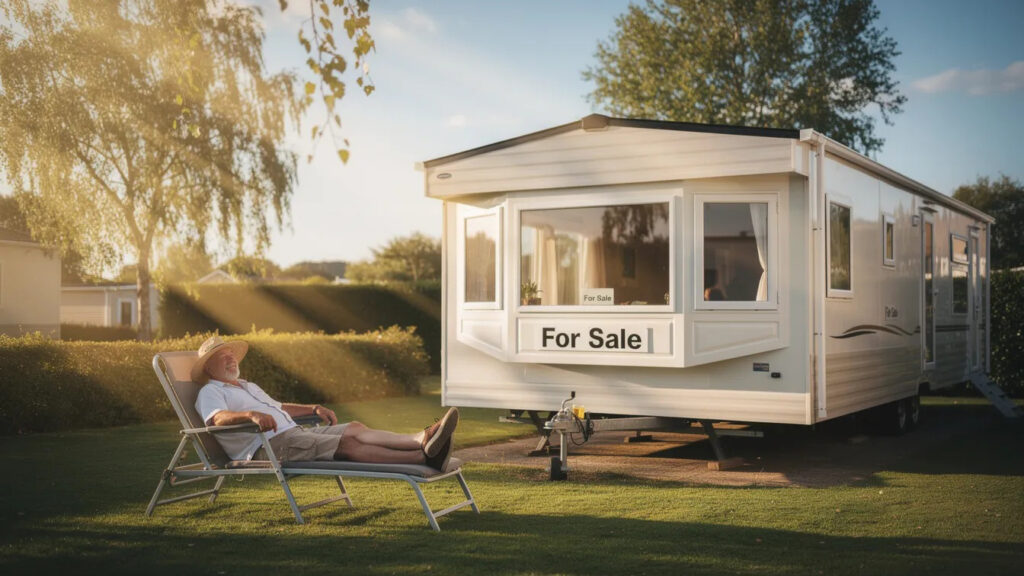
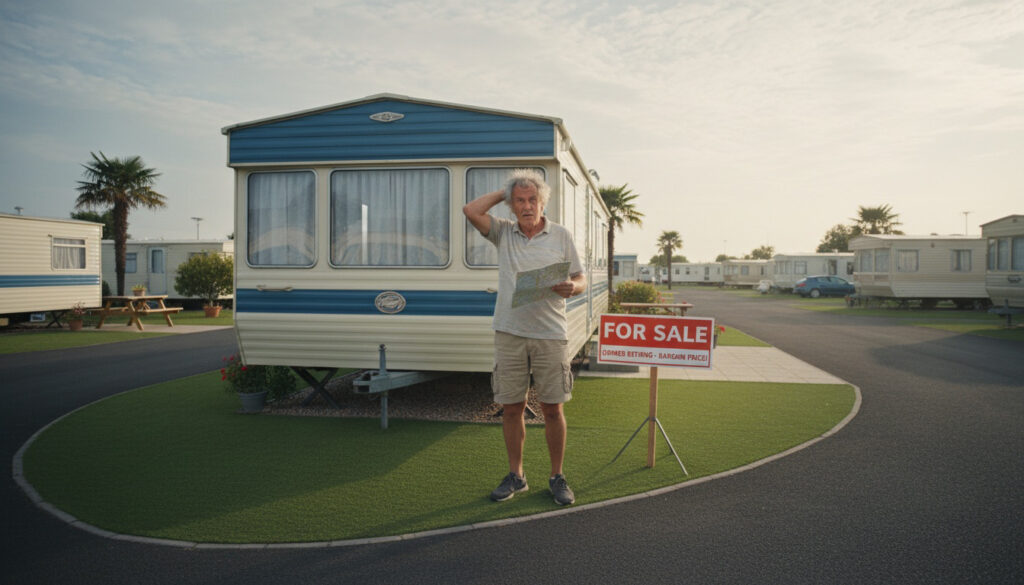
If you are looking to sell my static caravan quickly in the UK, having a clear and efficient approach is essential. Navigating the market with confidence and understanding the key steps can significantly speed up the sale while maximising your return on investment. Whether you want to upgrade to a newer model or simply need to free up space, this guide offers practical advice to ensure your static caravan attracts the right buyers fast.


Selling static caravans requires attention to detail, the right pricing strategy, and effective marketing. This step-by-step guide focuses on delivering value to sellers through actionable tips, safety considerations, and performance optimisation to help you achieve a successful and timely sale.

Benefits of Choosing a Specialist Static Caravan Buyer Over a Private Sale

Preparing Your Static Caravan for Sale

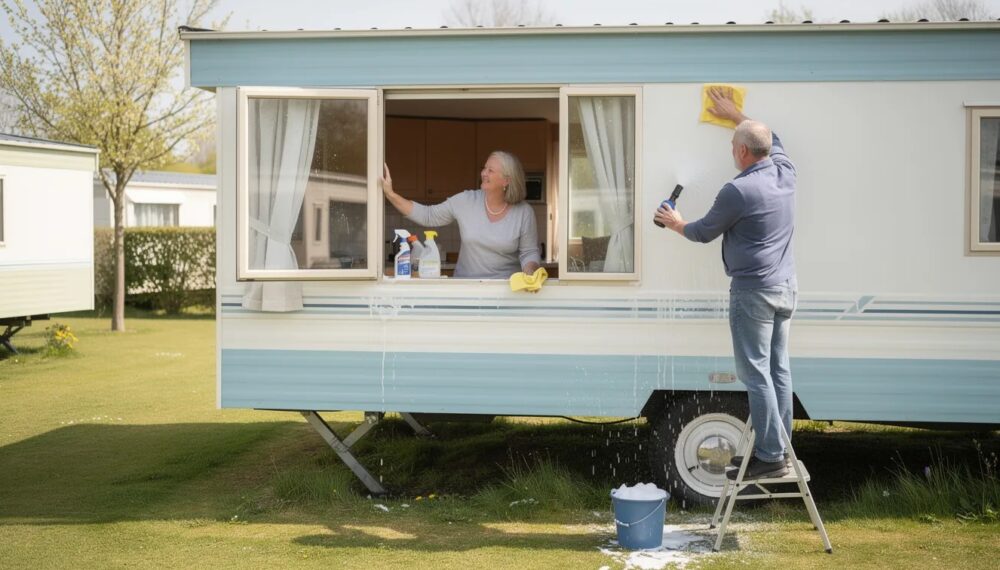
The first step in selling your static caravan is to prepare it thoroughly. Start with a deep clean inside and out, ensuring all surfaces are spotless and any minor repairs are completed. Presenting your caravan in excellent condition builds trust with potential buyers and enhances perceived value. Pay attention to the fixtures, fittings, and any signs of damp or wear, as these can impact buyer confidence.

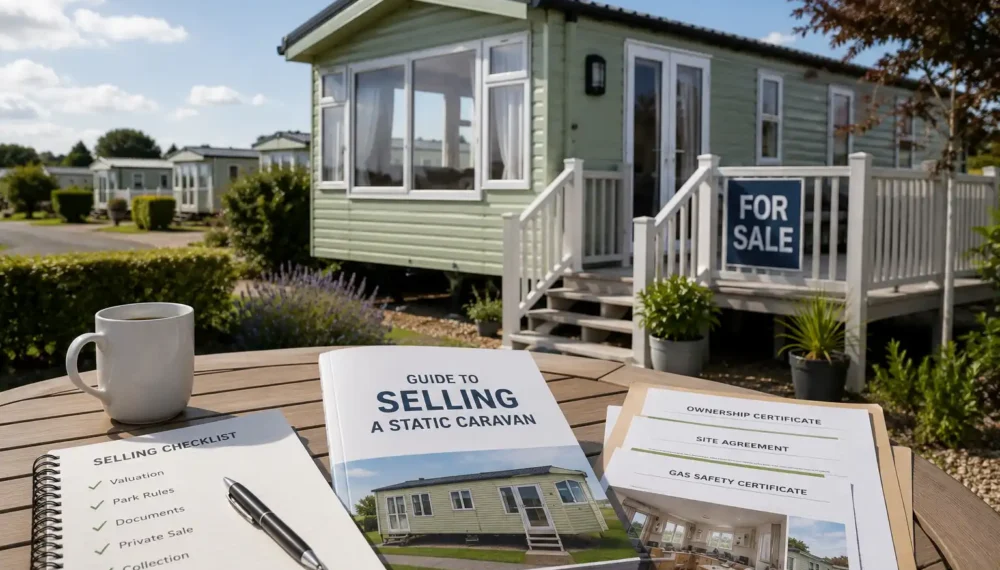
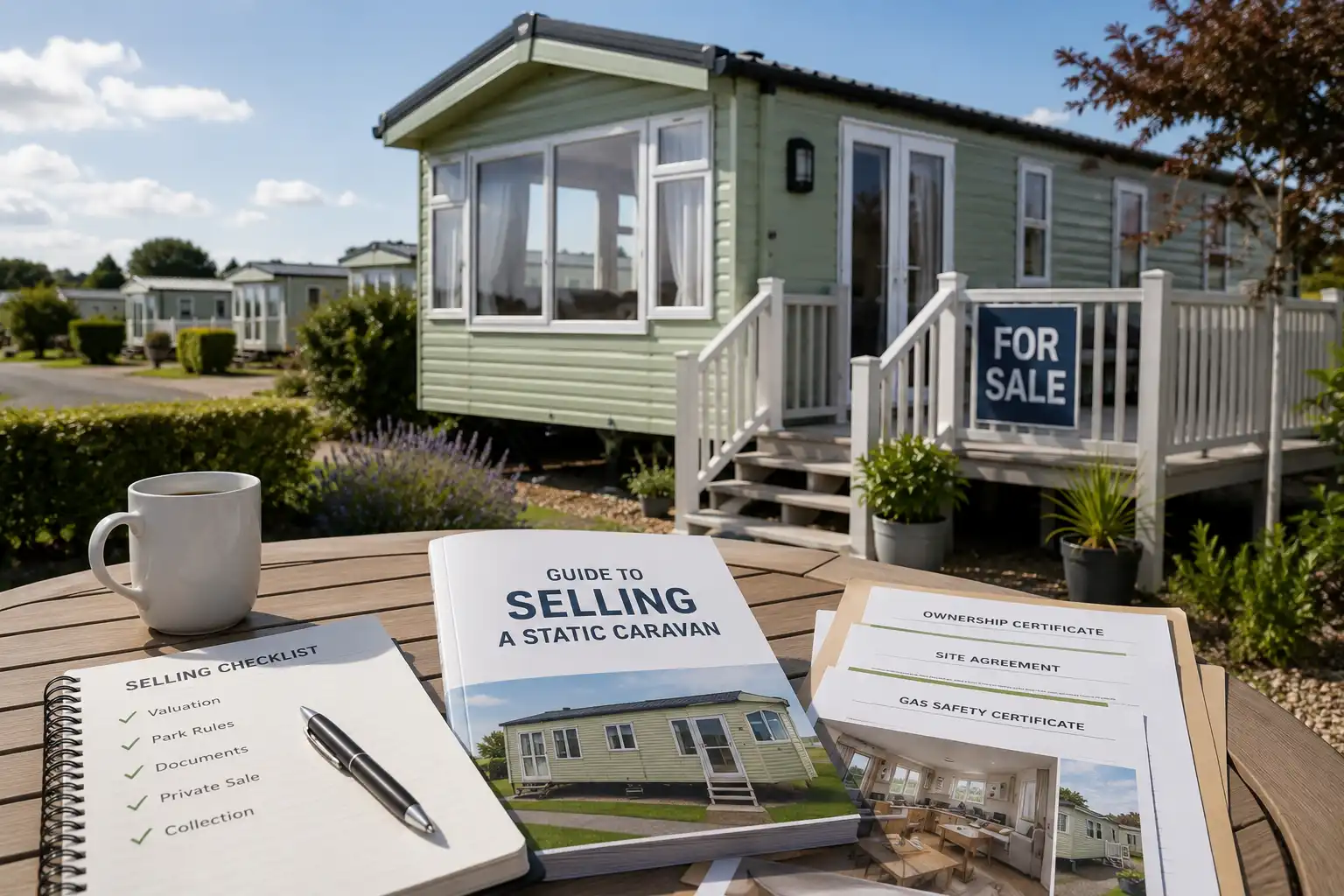
Gather all relevant paperwork including ownership documents, maintenance records, and site agreements. This transparency demonstrates professionalism and aids a smoother transaction. Additionally, consider carrying out a safety inspection to confirm that all gas, electrical, and heating systems meet current standards. Highlighting these safety credentials can differentiate your static caravan in a competitive marketplace.

Setting the Right Price to Sell My Static Caravan

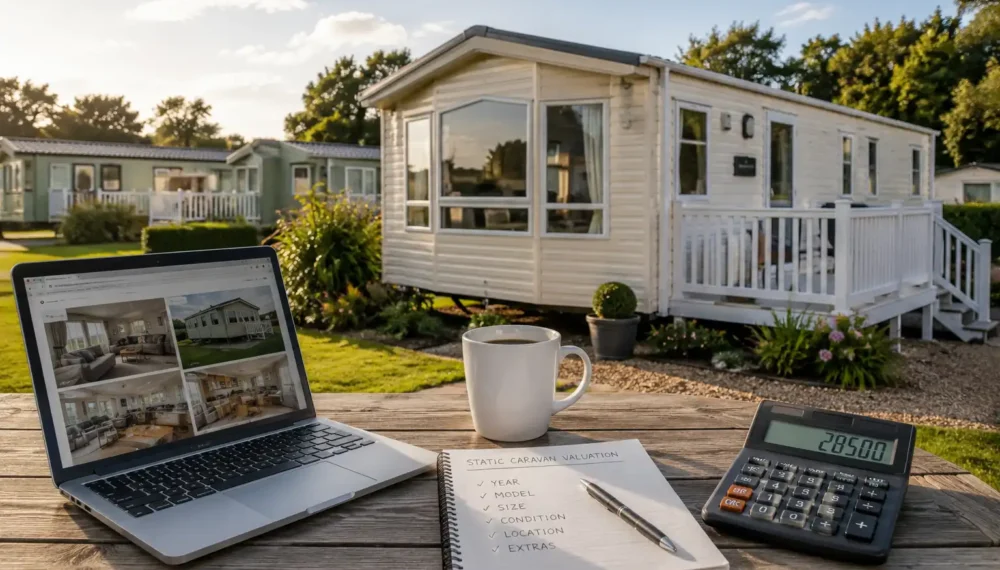
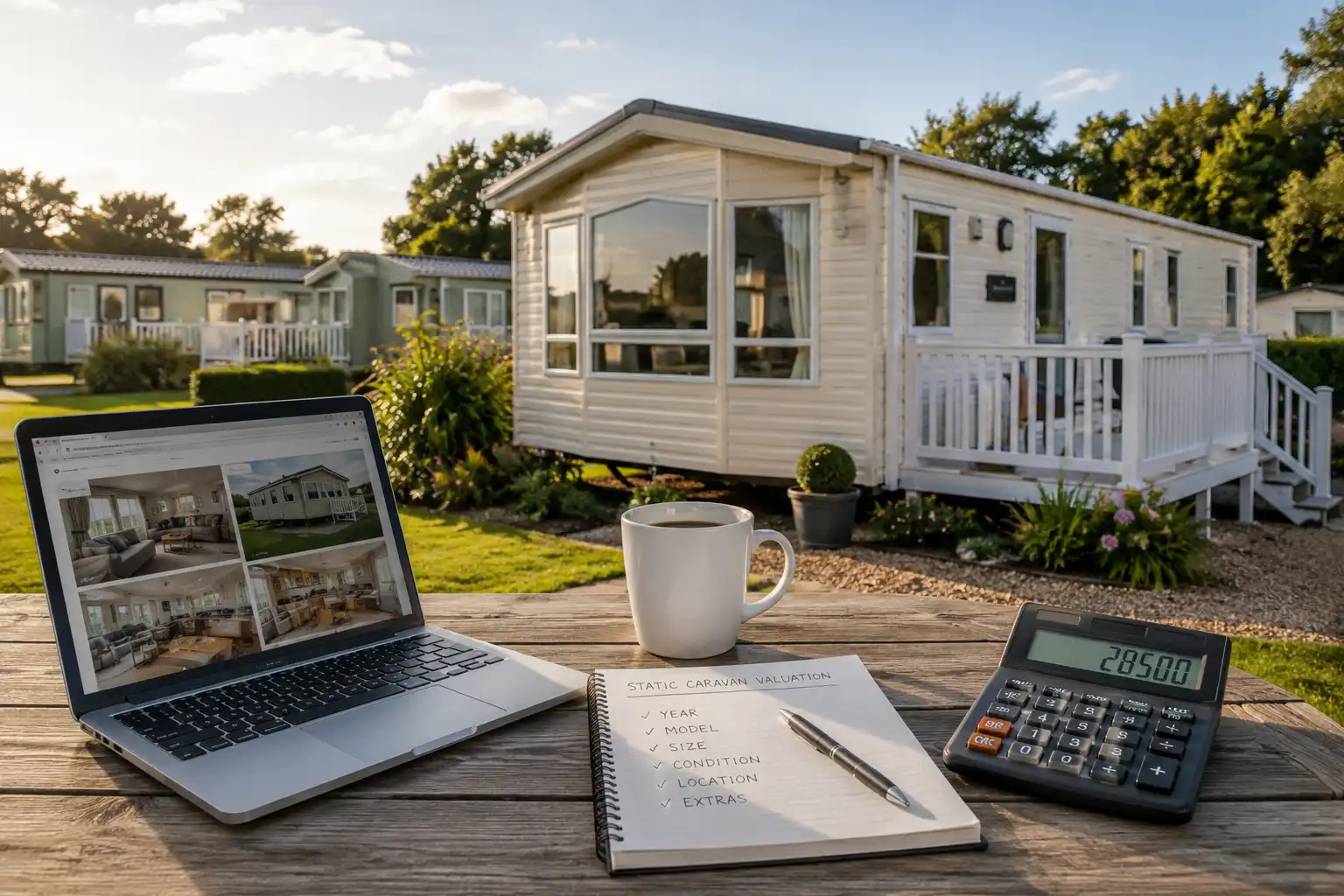
Determining a realistic and competitive price is crucial to sell your static caravan swiftly. Start by researching comparable listings on the market to gauge current pricing trends. Overpricing can deter interest, while underpricing might mean missing out on valuable returns. Aim to strike a balance by factoring in your caravan’s age, condition, features, and the popularity of the location.


Consider the overall return on investment and how quickly you want to sell. If speed is a priority, pricing slightly below market value may attract more offers. You can also promote unique selling points such as recent upgrades or included extras to justify a higher asking price. Clear and fair pricing builds buyer trust and speeds up negotiations.

Effective Marketing Strategies to Sell My Static Caravan Fast

Utilise Online Listings and Social Media

The majority of buyers start their search online, so it is essential to create an appealing and detailed listing. Use high-quality images taken in good natural light to showcase key features and the overall condition of your static caravan. Write a clear, informative description covering size, layout, amenities, and recent improvements. Leveraging social media platforms to share listings can further boost exposure to a broader audience and attract serious buyers.

Engage with Professional Services

Working alongside specialists in static caravans can streamline your selling process. They often have access to a network of interested buyers and can provide expert advice on pricing and presentation. Consider reaching out to established companies that offer dedicated services related to static caravans. This partnership can increase your chances of a quick sale, reduce stress, and help you navigate legal and logistical elements with confidence.

Key Benefits of Selling Your Static Caravan Fast

  • Maximise your return on investment by entering the market at the right time
  • Reduce ongoing maintenance and site fees associated with ownership
  • Minimise exposure to market fluctuations and seasonal demand shifts
  • Increase safety and peace of mind through thorough preparation and inspection

Speak to Our Specialists

If you need personalised advice on how to sell your static caravan quickly, our experts are ready to help. From valuation guidance to marketing strategies, contact us to explore tailored solutions that meet your needs.

Ready to Improve Performance?

Enhance your chances of selling your static caravan fast by taking the right steps today. Visit our Static Caravans page for expert guidance and, when you are ready, do not hesitate to contact us for dedicated support tailored to your selling journey.

If you need expert advice for your project, contact us to speak with our team.

Frequently Asked Questions

The average time to sell a static caravan can vary depending on factors such as location, condition, and price. With proper preparation and effective marketing, many sales are completed within a few weeks to a couple of months.

While not always mandatory, having a safety inspection for gas, electrical and heating systems enhances buyer confidence and can speed up the sale process.

Yes, but you will need to settle any outstanding finance before transferring ownership. Inform potential buyers about this upfront to avoid complications.

You should have the ownership certificate, site licence agreement, maintenance records, and any relevant warranties available to provide to prospective buyers.

While not always mandatory, having a safety inspection for gas, electrical and heating systems enhances buyer confidence and can speed up the sale process.

Why Spring Is a Popular Time for Caravan Buyers – What It Means for Static Caravan Sellers

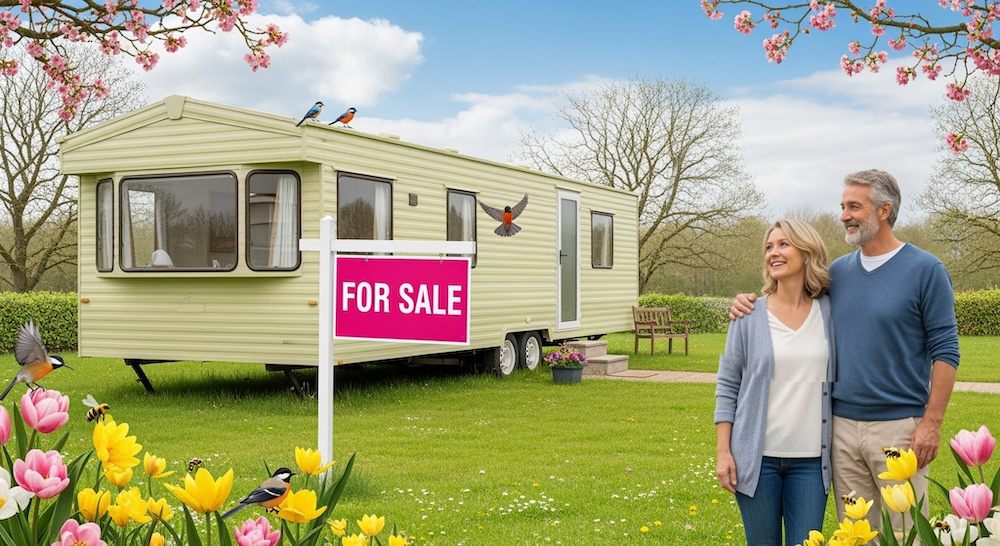
For static caravan sellers, spring is one of the most important seasons in the market. With warmer weather, longer days, and the anticipation of summer holidays, more static caravan buyers start actively searching for caravans, creating a peak window of opportunity for sellers. Understanding this seasonal demand can help you maximise your caravan’s sale price, secure competitive offers, and sell faster.

Whether you’re a first-time seller or a seasoned owner, knowing how to position your caravan in spring can make a significant difference to your sale outcome. By aligning your preparation with buyer trends and market dynamics, you can increase your chances of achieving the best possible resale value.

shutterstock 2735028411

How Spring Buyer Activity Impacts Your Sale

Spring sees a surge in static caravan buyers as people plan holidays and look to invest in a caravan before summer. This increased activity directly benefits sellers, but it also brings a competitive environment where preparation and strategy are key.

With more buyers in the market, your caravan has a higher likelihood of attracting serious interest. Many buyers in spring are motivated by the desire to secure their holiday plans early, often translating into a greater willingness to pay a fair price. The combination of higher demand and active searching can also generate competitive offers, allowing sellers to select the most advantageous deal.

Understanding the psychology of a spring buyer is crucial. Buyers are often looking for a ready-to-use holiday home, and they expect caravans to be well-maintained, clean, and presented in a way that reflects their potential use during the peak holiday season. By tailoring your marketing and presentation to meet these expectations, sellers can position their caravan as a desirable investment for buyers.

Maximising Your Sale: Achieving the Right Price and Securing Competitive Offers

Preparation is the key to success in spring. Here’s how sellers can enhance the value of their static caravan and attract strong buyer interest:

  • Deep Clean Your Caravan: A spotless interior and exterior immediately improves perceived value. Consider hiring a professional caravan cleaner to remove stubborn dirt, polish surfaces, and make the caravan feel fresh and inviting.

  • Minor Repairs and Maintenance: Fixing small leaks, replacing worn fittings, and ensuring all systems function correctly can prevent buyers from negotiating a lower price. Even small maintenance efforts signal to buyers that the caravan has been well cared for.

  • Highlight Seasonal Appeal: Emphasise features that make your caravan perfect for spring and summer use, such as sunlit interiors, outdoor seating areas, or upgraded kitchen and bathroom facilities. Demonstrating that your caravan is move-in ready can help it stand out in a busy market.

  • Professional Photography and Marketing: High-quality images taken in spring sunlight can dramatically increase online engagement. Clear photos help potential buyers visualise your caravan as their dream holiday home, increasing interest and encouraging higher offers

Investing in these areas ensures your caravan appeals to buyers quickly, maximising the likelihood of competitive offers and achieving the best price.

Preparing Your Static Caravan for Sale: What Sellers Should Know

Beyond cleaning and maintenance, preparation should focus on presentation and marketing strategy.

  • Declutter and Stage the Caravan: A tidy, welcoming space makes a strong first impression and allows buyers to imagine themselves enjoying the caravan. Consider adding simple touches such as cushions, fresh bedding, or outdoor seating to create a homely feel.

  • Provide Accurate Details: Clearly list specifications, age, model, recent upgrades, and any included amenities. Transparent and accurate information builds buyer confidence and avoids confusion or disputes during the sale process.

  • Anticipate Buyer Questions: Be ready to answer questions regarding running costs, holiday park rules, or previous maintenance history. Being prepared establishes trust and can lead to stronger offers.

  • Timing Your Listing: Early spring is ideal, as buyers are actively searching before the summer peak. Posting your listing at the right time ensures maximum visibility and engagement.

By combining preparation with strategic marketing, sellers can create a compelling listing that attracts serious buyers and increases the likelihood of a successful sale.

Using a Professional Caravan Valuation to Set the Right Price

Obtaining a professional caravan valuation is one of the most effective ways to ensure your asking price is realistic and attractive. A valuation provides a clear benchmark, helping sellers:

  • Avoid underpricing their static caravan

  • Attract serious buyers willing to pay fair value

  • Approach negotiations on offers with confidence

Even if you plan to sell privately, a professional valuation demonstrates transparency and builds trust with potential buyers. It also allows sellers to strategically position their caravan in the market and maximise resale value.

Understanding the Spring Market: Trends in Price and Valuation for Sellers

Spring is more than just a busy season. It’s when market dynamics shift in favour of static caravan sellers.

  • Demand Peaks: Buyers are planning summer holidays, creating higher engagement and urgency in the market.

  • Prices Often Rise: Increased buyer activity can result in higher prices for well-presented static caravans.

  • Valuation Trends: Professional valuations are often more accurate in spring, reflecting seasonal demand and competitive market conditions.

By understanding these trends, sellers can time their listing, prepare their caravan effectively, and negotiate with confidence, securing competitive offers.

Sell Your Static Caravan as a Dream Holiday Home This Spring

Spring offers a unique opportunity for sellers to maximise interest, achieve a better price, and secure competitive offers. By focusing on presentation, maintenance, professional caravan valuations, and understanding the behaviour of caravan buyers, sellers can position their caravan as a dream holiday home, capitalising on seasonal demand and ensuring a smoother, more profitable sale.

Whether it’s deep cleaning, minor repairs, staging interiors, or capturing high-quality images, taking the time to prepare your static caravan for spring buyers is an investment that pays off in higher resale value and faster transactions. By presenting your caravan as an attractive, move-in-ready holiday home, you appeal directly to buyers’ aspirations and increase your chances of achieving the best possible sale outcome.

Springtime Caravan Cleaning Tips to Maximise Your Static Caravan’s Value

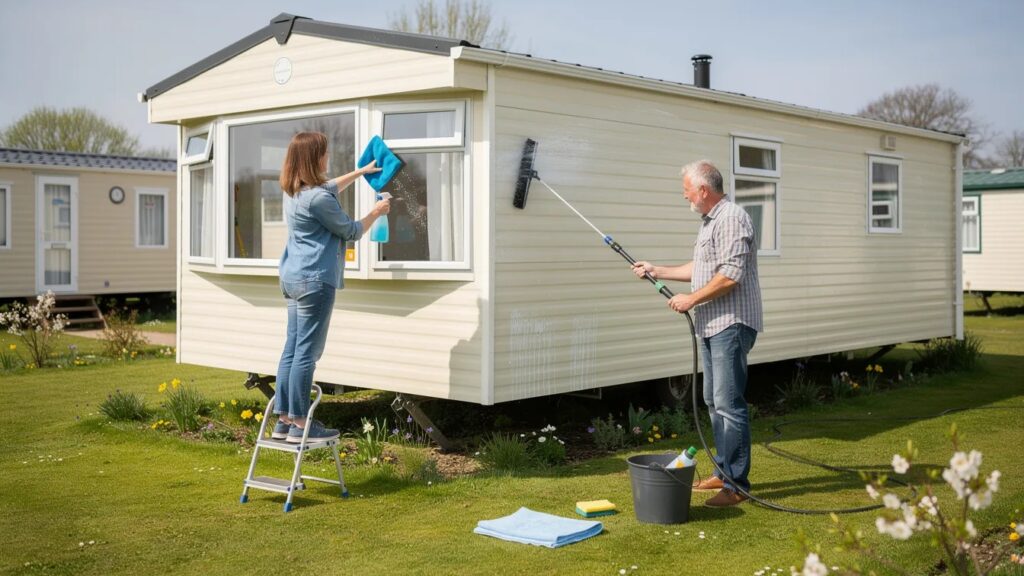
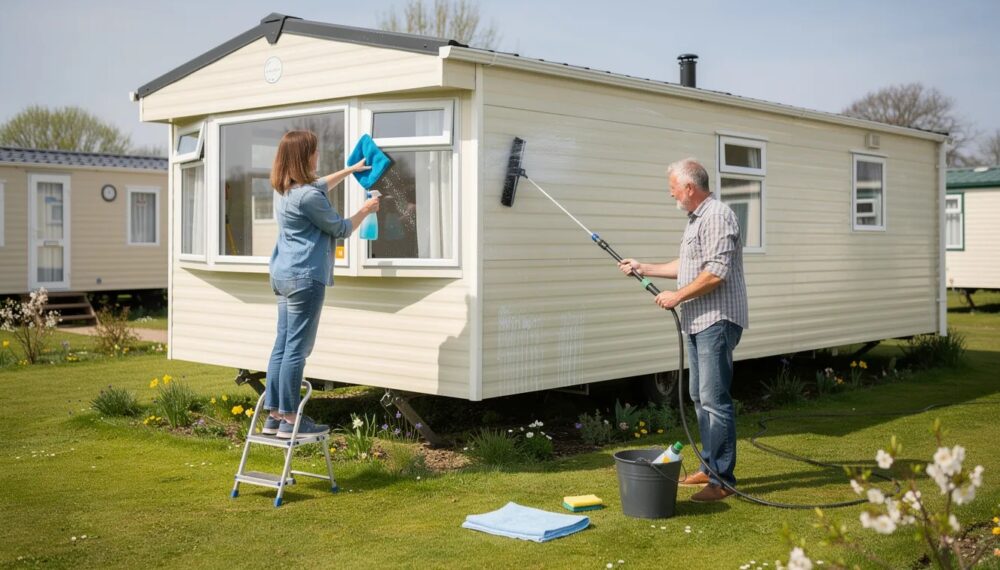
Selling your static caravan? A thorough springtime caravan cleaning can make a huge difference in both appearance and resale value. Buyers are drawn to caravans that are well-maintained, fresh, and inviting. In this guide, we’ll cover everything from interior decluttering to exterior maintenance, giving your caravan the best chance to sell quickly and for a higher price.

shutterstock 2735034205

1. Deep Interior Cleaning

The interior is the first thing buyers notice. A sparkling, clutter-free interior signals care and maintenance.

Declutter and Organise

Remove personal items, old decorations, and anything that makes the caravan feel crowded. Buyers need to imagine themselves living in the space, so clear counters, shelves, and storage areas. Use storage boxes or organisers to keep loose items neat.

Dusting & Wiping Surfaces

Caravans accumulate dust in hidden areas such as window sills, vents, light fixtures, and cupboard tops. Wipe all surfaces with a gentle, non-abrasive cleaner. Pay attention to corners and behind furniture.

Carpets & Upholstery

Vacuum carpets thoroughly, focusing on corners and under furniture. For upholstery, consider a steam clean to remove dirt, odours, and stains. Freshly cleaned fabrics make the caravan feel newer and more appealing.

Odour Removal

Air out the caravan by opening windows and vents. Avoid strong chemical scents; instead, use natural solutions like baking soda, vinegar, or mild essential oils. Consider washing curtains and removable fabrics to remove stale odors.

Pro Tip: A clean and well-organised interior can increase perceived value and even justify a higher asking price.

2. Kitchen and Bathroom Cleaning

Kitchens and bathrooms are high-impact areas. Buyers scrutinise these spaces carefully, so cleanliness and functionality are critical.

Scrub Surfaces and Appliances

Clean the stove, oven, sink, counters, and fridge. Pay special attention to corners, handles, and areas prone to grease or grime. Stainless steel appliances should be polished for a professional finish.

Check Plumbing Fixtures

Fix leaks, remove limescale, and ensure taps and showers run smoothly. Buyers are likely to test plumbing, so even minor leaks can be a dealbreaker.

Sanitise Bathrooms

Clean toilets, showers, tiles, mirrors, and floors. Use a grout brush for mildew or mold. Replace worn shower curtains or mats, as buyers notice small details.

Organise Storage Spaces

Keep cupboards, cabinets, and shelves tidy. Buyers will check storage space, so showing it organised highlights practicality.

Pro Tip: Small touches, like polished taps, neatly folded towels, or a shiny sink, make bathrooms and kitchens feel high-quality and cared for.

3. Exterior Caravan Cleaning

The exterior is the first impression buyers get. A well-maintained, sparkling exterior signals overall care.

Wash and Wax

Remove dirt, bird droppings, algae, and stains using a suitable caravan wash. Waxing protects the paint and gives a polished, showroom-ready appearance.

Windows and Doors

Clean all glass thoroughly and polish frames. Lubricate hinges, locks, and door mechanisms. Replace cracked or damaged seals to prevent leaks and drafts.

Roof and Awning

Remove moss, leaves, or dirt build-up. Check the roof for leaks, rust, or damage, and repair any issues. Ensure the awning is clean, dry, and free of mildew.

Tyres and Wheels

Clean and polish alloy wheels, and check tyre pressure. Buyers notice well-maintained tyres as a sign of overall care.

Exterior Fittings

Inspect lights, vents, handles, and other fittings. Replace or repair anything broken to demonstrate attention to detail.

Pro Tip: A professional-looking exterior can significantly improve buyer confidence and increase perceived value.

4. Seasonal Maintenance Checks

Spring is the perfect time to tackle maintenance tasks that make your caravan safer and more attractive to buyers.

Gas and Electrical Systems

Check that all gas appliances, sockets, and lighting work safely. Consider a professional inspection to reassure buyers that systems are compliant and safe.

Water System

Flush tanks, clean pipes, and disinfect taps. Remove any stagnant water and check for leaks or corrosion.

Lubricate Moving Parts

Doors, windows, hinges, and steps should move smoothly. A little oil prevents squeaks and wear.

Replace Worn Accessories

Swap out tired cushions, curtains, blinds, or mats. Even small cosmetic upgrades give the caravan a fresh, cared-for look.

Check Safety Equipment

Ensure smoke alarms, carbon monoxide detectors, and fire extinguishers are functional. Safety-conscious buyers will appreciate this attention to detail.

Pro Tip: Document maintenance tasks. A record of care can build trust and justify a higher selling price.

5. Final Touches to Maximise Selling Value

After cleaning and maintenance, presentation is key. Buyers respond to details that make the caravan feel welcoming and ready to use.

Fresh Bedding and Linen

Crisp, clean sheets and pillows make interiors inviting. If possible, match neutral colors for a universal appeal.

Minimal Decoration

Small, tasteful touches like a vase of flowers, a bowl of fruit, or a neutral rug add warmth without distracting buyers.

Photography

Take photos in natural light, highlighting clean interiors and a sparkling exterior. High-quality images attract more buyers online and generate higher interest.

Highlight Storage and Space

Open cupboards, fold back beds, and showcase hidden storage areas. Buyers value practical storage, so make it visible.

Pro Tip: Avoid strong scents or bold decorations. Neutrality allows buyers to visualise themselves in the space.

Final Thoughts

A detailed springtime caravan cleaning is more than just appearance—it’s about presenting your caravan as well-cared-for, safe, and ready to move into. By combining deep interior cleaning, thorough kitchen and bathroom care, sparkling exterior maintenance, seasonal checks, and thoughtful finishing touches, you can significantly increase your static caravan’s resale value and attract more buyers.

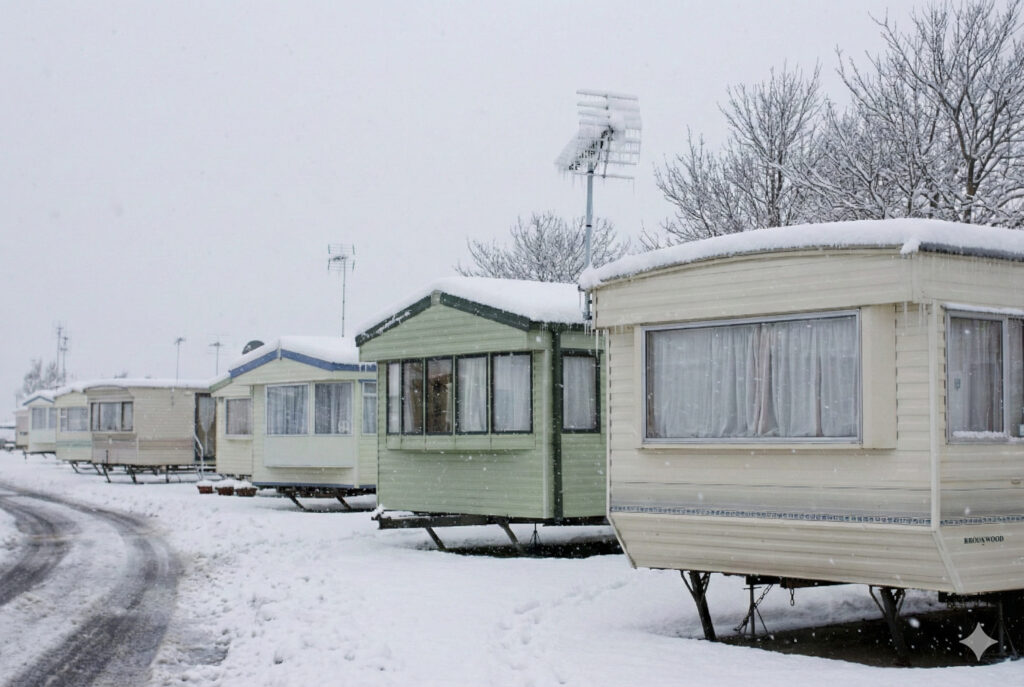
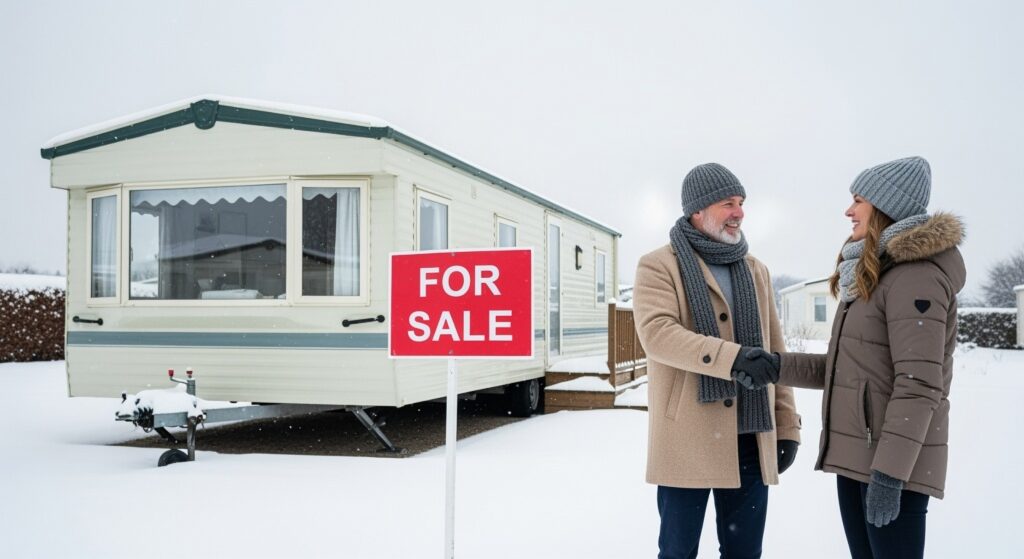
Is Winter a Good Time to Sell Your Static Caravan? What Sellers Should Know

Timing plays a bigger role in caravan sales than many owners realise. Most people assume spring and summer are the only “good” times to sell, but winter often presents opportunities that experienced sellers and trade buyers understand well. While footfall on parks slows, the market doesn’t stop, it simply changes shape.

If you’re considering selling your static caravan, winter can either work strongly in your favour or feel frustrating depending on how you approach it. This guide explains how the winter market behaves, the advantages and downsides, and how to position your caravan for a successful off-season sale.

shutterstock 2735032569

How the Static Caravan Market Changes in Winter?

The winter caravan market is quieter, but quieter doesn’t mean inactive. It becomes more focused and transactional.

During colder months:

  • Casual park visitors drop significantly
  • Browsing buyers disappear
  • Serious, decision-ready buyers remain active
  • Trade buyers continue purchasing year-round

Winter buyers are often motivated by practical reasons: upgrades, relocations, investment purchases, or preparation for the upcoming season. Dealers and professional buyers actively use winter to restock inventory before spring demand rises.

From a market perspective, winter is less about volume and more about efficiency. Transactions that happen tend to move faster because buyers entering the market already know what they want.

Advantages of Selling Your Static Caravan in Winter

Selling your static caravan in winter can be a smart choice. While the market may seem quieter, there are unique benefits that make this season ideal for certain sellers, including reduced competition and faster transactions.

Reduced Competition

Fewer caravans are listed during winter, so your unit is more likely to stand out. This limited supply increases visibility and attracts serious buyers quickly.

Motivated Buyers

Winter buyers tend to be decisive and ready to act, reducing wasted time on viewings. Many are looking to secure a caravan before the new season or rising fees.

Avoiding Another Year of Fees

Selling before annual pitch fees are renewed saves money. You can also avoid ongoing winter maintenance costs and prevent further depreciation of your caravan.

Faster Trade Transactions

Professional buyers and dealers operate year-round, and winter is often when they restock. This allows for quicker, smoother sales without long waiting periods.

Potential Downsides of Winter Sales

Winter selling is practical, but it isn’t perfect. Understanding the limitations helps set realistic expectations.

  • Lower foot traffic: Holiday parks are quieter, so private buyers are harder to attract. Fewer casual visitors mean fewer spontaneous viewings.
  • Weather challenges: Cold, wet conditions can affect presentation. Damp interiors, muddy surroundings, and poor lighting make viewings less appealing unless properly managed.
  • Perception of a slow market: Some sellers hesitate because winter feels like a bad time to sell. This perception can lead to underpricing out of fear, even when demand still exists.

The key takeaway: winter sales rely more on preparation and pricing strategy than peak-season momentum.

When Winter is Actually the Smartest Time to Sell?

For many caravan owners, winter isn’t just an acceptable time to sell, it can be the most practical and financially sensible choice. This season is ideal if annual pitch fees are approaching, your caravan is rarely used, or maintenance costs are starting to add up. Selling in winter allows you to avoid unnecessary expenses and minimise ongoing costs.

Winter is also a smart option if you plan to upgrade in spring. Static caravans naturally depreciate with age rather than usage, so waiting several months rarely increases value. By selling earlier, you can preserve equity and avoid a loss in potential resale price.

Ultimately, owners prioritising financial efficiency often find that winter sales provide the best balance of timing, savings, and market opportunity. With careful preparation, the colder months can offer a smoother and more cost-effective selling experience.

Preparing Your Caravan for a Winter Sale

Proper preparation is essential for a successful winter sale. Buyers expect a caravan that is warm, dry, and well maintained, and presentation can make a significant difference in securing a quick sale.

Interior comfort: Ensure the caravan feels inviting by running the heating before viewings and using warm lighting instead of harsh bulbs. Remove condensation and air out soft furnishings to create a cozy, well-kept atmosphere.

Exterior appearance: A clean exterior builds buyer confidence. Clear leaves, debris, and standing water, clean windows and entry points, and ensure steps and decking are safe and tidy.

Safety and maintenance: Check that gas and electrical systems are safe and functional, address any visible damp, and fix minor cosmetic issues. These small actions show buyers that the caravan has been well cared for.

Documentation ready: Organise all relevant paperwork, including ownership details, service records, site agreements, and compliance certificates. Prepared documentation reinforces trust and simplifies the sale process.

How to Sell a Static Caravan Quickly Without the Stress

Choosing the Right Selling Method in Winter

In winter, the selling method you choose can have a bigger impact than during the busy peak season. Private sales may take longer due to lower casual demand, even if prices can sometimes be higher, as buyers are fewer and less spontaneous.

On the other hand, trade or direct buyers offer faster, guaranteed transactions with no advertising delays or repeated viewings. For many winter sellers, prioritising speed and reliability over maximum price reduces stress and ongoing costs, making professional buyers a practical option when timing matters most.

Expert Tips to Get the Best Price in Winter

Selling a static caravan in winter requires strategy rather than simply cutting prices. With the right approach, you can attract serious buyers and secure a fair offer even during the colder months.

  • Price realistically – Avoid overpricing, as it can lead to your caravan lingering on the market. Research similar caravans and set a competitive, attractive price.
  • Focus on condition – A clean, warm, and well-maintained caravan stands out, even in winter, helping buyers see its true value.
  • Act quickly on offers – Winter buyers are motivated; responding promptly prevents lost opportunities and keeps the sale moving.
  • Use professional valuations – Accurate, expert valuations ensure realistic expectations and prevent emotional pricing errors.
  • Highlight winter readiness – Emphasise features like insulation, efficient heating, and damp prevention to reassure buyers the caravan is comfortable year-round.

Final Thoughts

Winter is not a bad time to sell a static caravan, it’s simply a different market with different dynamics. While casual demand slows, serious buyers remain active, competition drops, and financial timing often works in the seller’s favour.

Owners who prepare properly, price intelligently, and choose the right selling method can complete smooth winter transactions without sacrificing value. In many cases, selling before another year of fees and depreciation begins is the smartest financial move available.

At HD Caravans, we understand how seasonal markets work and support owners through year-round caravan sales. With the right strategy, winter can be an opportunity rather than an obstacle, and for many sellers, it’s the most practical time to move forward.

How to Prepare Your Static Caravan for Sale After Winter

Selling a static caravan after winter requires more than a quick clean and a new listing. Months of cold, moisture, and inactivity can affect everything from exterior seals to interior air quality. Buyers viewing caravans in spring expect a fresh, well-maintained space that feels ready for immediate use, not a project they’ll need to fix.

Proper preparation increases buyer confidence, strengthens your asking price, and shortens the time your caravan sits on the market. The good news is that most improvements are practical, affordable, and achievable with a structured plan.

Below is a professional, step-by-step guide to getting your caravan market-ready after winter.

Understanding the Post-Winter Market for Static Caravans

Spring is widely considered the strongest season to sell a static caravan. Buyers begin planning holidays, weekend escapes, and lifestyle upgrades as temperatures rise. This seasonal demand creates a natural window of opportunity, but it also raises expectations.

Post-winter buyers are cautious. They look closely for:

  • Signs of damp or neglect
  • Heating and appliance reliability
  • Structural integrity
  • Cleanliness and freshness

A caravan that appears neglected after winter will trigger price negotiations or hesitation. A caravan that looks well cared for signals reliability and value.

Actionable takeaway: Treat your caravan like a property sale. Presentation, maintenance, and documentation influence perceived value just as much as location or size.

Winter proofing

Conduct a Full Exterior Condition Assessment

Winter weather can quietly cause damage that isn’t obvious at first glance. A thorough exterior inspection protects your price and prevents surprises during buyer viewings.

Check the following areas carefully:

  • Roof condition: Look for cracks, loose panels, or pooling water marks
  • Seals around windows and doors: Prevent moisture intrusion
  • Gutters and drainage: Clear blockages caused by leaves or debris
  • Decking and steps: Confirm structural safety
  • Wall panels: Inspect for frost expansion or cosmetic damage

Even minor exterior issues can create buyer doubt. Addressing them early is far cheaper than negotiating a lower sale price later.

Best practice: Wash the exterior professionally or pressure-clean gently to restore brightness without damaging surfaces.

Restoring the Interior After Winter Storage

Static caravans that remain sealed over winter can easily develop stale air, condensation, and early signs of damp. Before listing your caravan for sale, the interior should feel bright, dry, and inviting from the first moment a buyer walks in. First impressions matter, and buyers often judge overall maintenance based on smell and air quality alone.

Start with a complete interior refresh. Open windows and doors to air out the space for several hours, inspect cupboards and hidden corners for mould, and carry out a deep clean of carpets, upholstery, and soft furnishings. Wash curtains and cushions, and focus on ventilation rather than masking odours with heavy sprays. A fresh, neutral scent signals good upkeep, while a musty smell can immediately create doubt, even if the caravan is structurally sound.

A practical step many experienced owners use is placing moisture absorbers inside during winter storage. Mentioning this to potential buyers demonstrates preventative care and reassures them that the caravan has been protected properly during colder months.

Inspecting Utilities, Safety Systems and Appliances

A caravan that doesn’t function properly during a viewing instantly weakens buyer confidence. Heating failures, weak water pressure, or faulty appliances suggest neglect, even if the issues are minor. Before listing your static caravan, every essential system should be tested and confirmed operational.

System to Check

What to Inspect

Why It Matters to Buyers

Gas system

Leak safety, regulator condition, recent servicing

Confirms safety and compliance with standards

Plumbing & water

Water pressure, leaks, drainage flow

Signals proper winter protection and maintenance

Heating & boiler

Full heating cycle test

Buyers want year-round usability

Electrical system

Sockets, lighting, fuse box

Demonstrates reliability and safety

Kitchen appliances

Cooker, fridge, microwave function

Reinforces move-in readiness

shutterstock 2735022293

Addressing Repairs Before Listing

Small visible defects create the impression of bigger hidden problems. Buyers often assume: if obvious issues weren’t fixed, what else was neglected?

Prioritise repairs that deliver maximum visual impact:

  • Tighten loose handles or hinges
  • Patch cosmetic wall marks
  • Replace worn sealant
  • Repair scuffed flooring
  • Touch up chipped paint

These are inexpensive improvements that protect your asking price and prevent aggressive negotiation.

Rule of thumb: If you notice it during a walkthrough, a buyer definitely will.

Preparing the Caravan for Viewings and Photography

Staging transforms perception. Even a modest caravan can feel premium when styled thoughtfully.

Key staging principles:

  • Remove clutter to maximise space
  • Use neutral tones to appeal to wider buyers
  • Add soft lighting for warmth
  • Open blinds to increase natural light
  • Keep surfaces clean and minimal

Think of staging as storytelling, you’re helping buyers imagine themselves relaxing inside the space.

Practical tip: A small throw blanket, fresh bedding, and tidy dining setup can dramatically improve the atmosphere.

Photography Tips That Attract Buyers

Most buyers decide whether to enquire within seconds of seeing online photos, so image quality directly affects how quickly your caravan sells. Clear, well-lit pictures communicate care, cleanliness, and value before a viewing even takes place. Prioritise daylight exterior shots, wide interior angles, and clean staging that allows the space to feel open and inviting.

Focus on honesty and presentation rather than heavy editing. Highlight key areas like the kitchen, bathroom, and living space, and include lifestyle-style images that suggest comfort and relaxation. Always photograph after a full clean and staging session, never before, so what buyers see online matches what they experience in person.

Final Pre-Sale Checklist

Before listing or hosting viewings, complete a final audit:

  • Windows cleaned inside and out
  • Fresh air circulating
  • Appliances switched on and working
  • No visible damp or condensation
  • Exterior tidy and presentable
  • Documentation ready for buyers
  • Keys accessible and organised

This final step ensures consistency between photos and in-person viewings, a critical trust factor.

Final Thoughts

Preparing a static caravan for sale after winter is not about perfection, it’s about confidence. Buyers want reassurance that the caravan has been maintained, protected, and respected during the off-season.

A caravan that feels clean, functional, and cared for sells faster and closer to asking price. Every inspection, repair, and staging decision signals professionalism and pride of ownership.

Invest a little time now, and the market will reward you with stronger interest and smoother negotiations.

Energy-Efficient Heating and Insulation Tips for Your Static Caravan

Owning a static caravan provides a perfect escape from the daily grind, offering comfort and relaxation in picturesque locations across the UK. However, maintaining a cozy and energy-efficient caravan, especially during colder months, requires careful planning and practical solutions. Rising energy costs and environmental concerns make it more important than ever to optimise heating and insulation. 

This guide provides practical, expert-backed tips to help static caravan owners save energy, reduce costs, and enjoy a warm, comfortable space all year round.

Why Energy Efficiency Matters in Static Caravans?

Energy efficiency in a static caravan isn’t just about reducing bills; it also has practical and environmental implications. Poorly insulated caravans or inefficient heating systems can lead to:

  • Higher energy costs: Heat escapes quickly in older or poorly insulated units, forcing heaters to work harder.
  • Inconsistent comfort: Cold spots, drafts, or condensation can make living conditions uncomfortable.
  • Environmental impact: Excessive energy usage increases your carbon footprint, contributing to climate change.

By focusing on energy efficiency, caravan owners can enjoy a warmer environment, save money on electricity or gas bills, and make their holiday homes more environmentally responsible. Energy efficiency also prolongs the life of heating systems and reduces maintenance requirements, making it a win-win for both comfort and cost savings.

A Specialist insulating the caravans

Assessing Your Caravan’s Current Heating and Insulation

Before making improvements, it’s important to evaluate your caravan’s existing systems. Start by assessing:

Heating system type: Identify whether you have electric heaters, gas heating, or an LPG boiler. Each system has different energy efficiency characteristics and operational costs.

Insulation levels: Examine walls, floors, and ceilings to determine if additional insulation could reduce heat loss. Older caravans often have minimal insulation, especially in roof panels or underfloor areas.

Windows and doors: Draughty windows and poorly sealed doors are common culprits of heat loss. Check for gaps and worn seals.

Overall condition: Inspect for leaks, damaged panels, or condensation, as these issues can undermine insulation and reduce heating efficiency.

This evaluation helps you prioritise the areas that will have the biggest impact on comfort and energy savings.

Heating Tips for Energy Efficiency

Select Efficient Heaters

Choosing the right type of heater can make a big difference in energy consumption. Modern electric or gas heaters with thermostatic controls maintain a consistent temperature without wasting energy. Infrared panels or convection heaters are also excellent for providing targeted warmth, allowing you to heat only the areas you need instead of the entire caravan.

Use Programmable Thermostats

Timers and smart thermostats help control your heating schedule efficiently. By setting heating to turn on only when needed, you avoid unnecessary energy use while still ensuring your caravan is warm when you arrive. This small adjustment can lead to noticeable savings on energy bills over time.

Implement Zoned Heating

Focus on heating the main living areas rather than the entire caravan, especially when some rooms are unused. Zoned heating reduces energy consumption while maintaining comfort in key areas, making it a practical solution for both short visits and extended stays.

Maintain Heating Systems Regularly

Proper maintenance of boilers, heaters, and radiators is essential for energy efficiency. Dirty or poorly functioning equipment requires more energy to operate, increasing costs and reducing effectiveness. Schedule regular servicing to keep systems running smoothly and safely.

Supplementary Heating Options

Additional heating sources can enhance comfort without significantly raising energy usage. Layering rugs, using heated throws, or adding small portable heaters can provide warmth where it’s needed most. These solutions are especially useful during colder months or in areas of the caravan that are prone to drafts.

Efficient Heating Practices

Efficient heating isn’t just about turning up the thermostat. It’s about choosing the right system, using it at the right time, and maintaining it properly. Combining these strategies ensures your caravan stays warm, energy-efficient, and cost-effective throughout the year.

Insulation Tips for Maximum Comfort

Roof and Wall Insulation

Upgrading your caravan’s roof and walls with foam board or reflective insulation panels can dramatically reduce heat loss. Modern insulation solutions help retain warmth during colder months and improve overall energy efficiency, making your caravan more comfortable year-round.

Floor Insulation

Cold can easily seep through the floor, especially in older caravans. Using carpet underlays, insulated flooring boards, or thermal mats provides a barrier against the chill, keeping your feet warmer and reducing the workload on your heating system.

Windows and Doors

Windows and doors are common sources of draughts. Installing double-glazed windows, thermal film, or weatherstripping helps seal gaps and prevent heat from escaping, maintaining a consistent indoor temperature and saving energy.

Curtains and Blinds

Thermal or reflective curtains and blinds add an additional layer of insulation against cold air from windows. They not only block draughts but also help retain warmth at night, contributing to a cozier and more energy-efficient caravan environment.

Layered Insulation Approach

For maximum energy efficiency, combine roof, wall, floor, and window insulation strategies. A layered approach creates multiple barriers against heat loss, improving comfort, reducing heating costs, and ensuring your caravan stays warm in all seasons.

Reducing Heat Loss and Drafts

Even the best heating and insulation can be compromised by small gaps and leaks. Address these common areas:

  • Seal gaps and vents: Use silicone or weatherstripping around windows, doors, and vents to prevent unwanted drafts.
  • Draft excluders: Place them on floors and under doors to block cold air entry.
  • Ventilation balance: Ensure your caravan has adequate ventilation to prevent condensation without letting warm air escape.

Reducing drafts not only keeps you warmer but also allows heating systems to operate more efficiently, saving energy and money.

Energy-Saving Habits and Practical Tips

Small changes in daily routines can make a significant difference:

  • Turn off unused appliances: Lights, kettles, and chargers consume unnecessary energy when left on standby.
  • Use timers and motion sensors: Automate lighting and heating to avoid wasted energy.
  • Layer clothing and bedding: Wearing warm layers and using blankets reduces reliance on heating systems.
  • Seasonal checks: Inspect seals, insulation, and heaters before winter and summer to maintain efficiency.
  • Smart water usage: Only heat the water you need and avoid leaving taps running unnecessarily.

These habits complement your technical upgrades, ensuring maximum energy savings over time.

Final Thoughts

Energy efficiency in a static caravan combines the right heating systems, effective insulation, and smart daily habits. By assessing your caravan’s current setup, upgrading insulation, maintaining heating equipment, and implementing energy-saving routines, you can enjoy a warm, comfortable, and cost-effective environment.

At HD Caravans, we understand how important energy efficiency is for caravan owners. Whether you need advice, practical tips, or professional guidance on heating and insulation improvements, our team is here to help. Implementing these strategies ensures your caravan remains a cosy, eco-friendly retreat for years to come.

FAQs

Use thermal curtains, draft excluders, and layer rugs and blankets. Focus heating only on occupied areas and maintain appliances for efficiency.

Yes. Improved wall, roof, and floor insulation reduces heat loss, lowers energy costs, and keeps the caravan comfortable year-round.

Modern electric heaters with thermostats, LPG boilers, and infrared panels are efficient. Choose based on caravan size, usage, and local energy costs.

Maintain proper ventilation, use moisture-absorbing products, and avoid over-drying clothes indoors. Insulation also helps regulate temperature.

Yes. Solar panels, heat pumps, and energy-efficient electric heaters can reduce reliance on fossil fuels while maintaining warmth.

Essential Safety Checks Every Static Caravan Owner Should Know

Owning a static caravan in the UK, whether in Devon, Cornwall, or along the scenic coasts, offers a wonderful retreat for family holidays and weekend escapes. However, like any home, safety should always be a top priority. Ensuring your caravan is well-maintained and regularly inspected protects your family, prevents accidents, and safeguards your investment. This comprehensive guide covers the essential safety checks every static caravan owner should know, helping you maintain a secure, comfortable, and compliant unit.

Why Regular Safety Checks are Crucial?

Regular safety inspections are more than just a precaution—they’re a legal, financial, and personal responsibility. Here’s why they matter:

  • Protecting lives: A well-maintained caravan reduces the risk of accidents caused by faulty gas, electrical issues, or structural weaknesses.
  • Insurance compliance: Many insurance providers require documented safety checks. Failure to comply can invalidate coverage.
  • Park compliance: Holiday parks and residential sites often have specific safety regulations that must be met.
  • Longevity: Regular maintenance ensures the caravan lasts longer, preserving value and functionality.

Regular checks also give owners peace of mind, allowing them to enjoy their holidays without worrying about hidden hazards.

Essential safety checks for static caravans

Structural and Exterior Safety Checks

The exterior and structural integrity of your caravan form the first line of safety. Routine inspections prevent costly repairs and hazards. Key checks include:

  • Body and roof: Look for cracks, holes, or corrosion. Small leaks can escalate, causing water damage and mould.
  • Windows and doors: Ensure seals are intact and locks function properly to prevent drafts, water ingress, or security issues.
  • Chassis and supports: Verify the caravan is level and stable. Inspect wheel bearings, axles, and jacks for wear or rust.
  • External fixtures: Steps, railings, decks, and balconies should be secure and free of rot or damage.

A structurally sound caravan reduces the risk of accidents, ensures comfort, and protects internal systems from damage.

Gas System Safety Checks

Gas safety is one of the most important aspects of maintaining a static caravan, as faults or leaks can result in fires, explosions, or carbon monoxide hazards. To keep your system safe, it’s essential to have it inspected annually by a Gas Safe registered engineer, and to routinely check cylinders, regulators, and hoses for signs of corrosion, damage, or leaks.

In addition, all gas appliances, including cookers, heaters, and boilers, should be regularly tested to ensure they function correctly, and any faulty units should be replaced immediately. Familiarising yourself with gas leak warning signs, such as the smell of gas or unusual hissing noises, is crucial. Consistent maintenance and professional servicing help guarantee that your caravan’s gas system remains fully safe and compliant.

Electrical System Safety Checks

Electrical faults are a leading cause of fires in caravans. Ensuring your system is safe is critical. Key checks include:

Internal wiring and sockets: Inspect for frayed wires, scorch marks, or loose connections.

Residual Current Devices (RCDs): Test regularly to ensure they trip correctly in case of a fault.

Appliances: Check kettles, heaters, and other devices for damage or malfunction.

External connections: Inspect mains plugs and cables for wear, especially if exposed to outdoor conditions.

Professional electrical inspections are recommended at least every three years, and more frequently if the caravan is older or heavily used.

Plumbing and Water System Checks

Water systems, if neglected, can lead to leaks, water damage, or hygiene issues. Owners should perform the following checks:

  • Pipe and tap inspections: Look for leaks, cracks, or corrosion. Repair promptly.
  • Drainage systems: Ensure waste pipes are unobstructed and drains flow freely.
  • Water hygiene: Flush systems regularly and disinfect as needed to prevent bacterial growth.
  • Winter preparation: In cold months, drain pipes and water tanks or use antifreeze to prevent freezing and bursts.
  • Boilers and hot water systems: Test for proper function and check safety valves.

Routine plumbing maintenance prevents costly repairs and ensures safe, clean water supply for all users.

Fire Safety and Emergency Preparedness

Fire safety is paramount in a confined space like a caravan. Following these steps can save lives:

Smoke and carbon monoxide alarms: Install on every level and test monthly. Replace batteries as needed.

Fire extinguishers: Keep a suitable extinguisher easily accessible and ensure it’s regularly inspected.

Escape planning: Identify exit routes and practice emergency evacuation procedures with family members.

Flammable materials: Store fuel, gas, and chemicals safely, away from heat sources.

Being prepared can significantly reduce injury or damage in the event of an emergency.

Interior Safety and General Maintenance

Interior safety is often overlooked but plays a crucial role in ensuring comfort and preventing accidents inside your caravan. Check furniture and flooring for loose or damaged items that could cause trips or falls, and make sure all cupboards, drawers, and shelves are securely fastened, particularly if the caravan is moved or in transit.

Additionally, inspect all electrical appliances to ensure they are functioning safely, and look for signs of pests such as rodents or insects that can damage wiring or insulation. Proper ventilation is also essential to reduce condensation, damp, and mould growth. Keeping the interior well-maintained not only protects occupants but also helps prolong the lifespan of your caravan.

Documentation and Compliance Checks

Keeping proper records ensures you stay compliant with laws, park rules, and insurance requirements:

Safety certificates: Maintain gas, electrical, and fire inspection records.

Maintenance logs: Track repairs, upgrades, and inspections for easy reference.

Licence and park compliance: Ensure all documentation aligns with park rules, especially for holiday or residential-use caravans.

Insurance documentation: Provide accurate and updated safety records to your insurer.

Proper documentation not only ensures compliance but also simplifies future transactions or resale.

Tips for Maintaining a Safe Caravan Year-Round

Maintaining a safe caravan year-round requires a proactive and structured approach. Schedule seasonal inspections, particularly before winter and summer, to address weather-related risks and ensure all systems are functioning properly. Always hire certified professionals for gas and electrical work, and regularly educate family members or occupants on basic safety procedures, including testing alarms and knowing emergency routines.

Preventative maintenance is also key, tackling minor issues promptly can prevent them from becoming major hazards later. By combining regular inspections, professional servicing, and informed occupants, you can keep your caravan safe, comfortable, and fully compliant throughout the year.

Final Thoughts

Safety is an ongoing responsibility for every static caravan owner. By regularly inspecting your caravan’s structure, gas, electrical, plumbing, and fire systems, and keeping up with interior maintenance, you can protect your family, preserve your investment, and enjoy peace of mind during every visit.

At HD Caravans, we understand the importance of caravan safety and maintenance. Whether you need advice, professional inspections, or support with maintaining your caravan in Devon and across the UK, our experienced team is here to guide you. Following these essential safety checks ensures your caravan remains a safe, comfortable, and enjoyable retreat for years to come.

FAQs

Your caravan’s gas system should be inspected annually by a Gas Safe registered engineer to ensure it’s safe and compliant. In addition, owners should perform monthly visual checks for leaks or signs of damage. Prompt attention to any issues can prevent serious hazards such as fires or carbon monoxide leaks.

You can carry out basic visual inspections, such as checking sockets, plugs, and wiring for obvious damage. However, a qualified electrician should perform a full electrical safety check at least every three years. Professional inspections help prevent fire risks and ensure your caravan meets safety standards.

Minor issues, like small cracks or loose fixtures, should be addressed immediately to avoid further deterioration. For serious problems, such as rust, significant cracks, or chassis damage, contact a professional caravan technician. Early intervention can prevent costly repairs and maintain the caravan’s safety and value.

Yes, UK regulations require all static caravans to have smoke and carbon monoxide detectors installed. These devices must be functional and regularly tested to ensure they provide early warning in case of fire or gas leaks. Proper alarm maintenance is essential for the safety of everyone on board.

Regularly inspect window seals, roof seals, and plumbing for leaks or damage, especially after heavy rain. Ensure adequate ventilation in all rooms to reduce condensation and mould growth. Taking these preventative steps helps keep your caravan dry, comfortable, and structurally sound.

Winter-Proofing Your Static Caravan: A Complete Checklist for UK Owners

Owning a static caravan is a fantastic way to enjoy getaways, seasonal stays, or even extended breaks across the UK. However, as temperatures drop and winter approaches, static caravans become particularly vulnerable to cold-related damage if they’re not properly prepared.

From frozen pipes and damp interiors to electrical issues and costly repairs, winter can quietly take a toll on a caravan that hasn’t been winter-proofed correctly. Whether your caravan will remain occupied, used occasionally, or left empty over the colder months, taking the right preventative steps now can save significant time, stress, and money later.

This complete checklist is designed to guide you through every essential aspect of winter-proofing your static caravan, helping you protect its structure, systems, and long-term value.

Why is Winter-Proofing a Static Caravan Essential?

Static caravans are not built in the same way as traditional brick-and-mortar homes. They have lighter construction, exposed pipework, and systems that are far more sensitive to temperature changes.

Without proper winter preparation, caravan owners commonly face:

  • Frozen or burst pipes, leading to internal water damage.
  • Damp, mould, and condensation, particularly in bedrooms and storage areas.
  • Roof or seal damage from prolonged exposure to wind, rain, and frost.
  • Electrical faults caused by moisture ingress.
  • Reduced resale value due to hidden winter damage.

In the UK, winter conditions can be unpredictable. Even relatively mild regions can experience sudden cold snaps that cause serious issues overnight. Winter-proofing isn’t just a precaution, it’s a necessary part of responsible caravan ownership.

Winter proofing

Before You Start – Assess Your Caravan’s Winter Use

Before carrying out any winter-proofing tasks, it’s important to understand how your caravan will be used over winter, as this affects what steps are required.

Consider the following:

  • Will the caravan be occupied, used occasionally, or left vacant?
  • Does your holiday park allow winter occupation?
  • Will electricity and water remain connected?
  • Are there site-specific winter rules or insurance conditions?

A caravan left unoccupied for several months needs far more protection than one used regularly. Some parks also require caravans to be drained down completely once temperatures drop. Always check site policies and your insurance terms before proceeding.

Exterior Winter-Proofing Checklist

The exterior of your static caravan serves as the first line of defence against harsh winter weather. Any weaknesses in the outer structure can quickly lead to internal damage, so it’s essential to carry out thorough checks and maintenance before temperatures drop.

Inspect the Roof, Gutters, and Seals

Start by examining the roof for any cracked panels, loose fixings, or areas where sealant has worn away. Clearing gutters and downpipes of leaves, dirt, and other debris is equally important to ensure water can drain freely and prevent pooling. Blocked gutters are a common cause of winter leaks and often go unnoticed until spring, so taking the time to keep them clean can save significant repair costs later.

Check Windows, Doors, and Vents

Next, inspect all rubber seals around windows and doors for cracks or gaps. Replace any worn draught seals to help retain warmth inside the caravan while still allowing necessary airflow. It’s also important to ensure that ventilation points are clear but shielded from driving rain, as this prevents moisture ingress that can lead to damp or mould.

Secure the Underside and Skirting

Finally, turn your attention to the caravan’s underside. Check that skirting panels are intact, properly fitted, and free of gaps that could allow cold air to circulate beneath the caravan. While ensuring that ventilation points remain unblocked, repairing or reinforcing skirting significantly reduces exposure to frost, protecting both your pipes and flooring from the worst of winter conditions.

Plumbing & Water System Protection

The plumbing system is one of the most vulnerable areas of a static caravan during winter. Freezing temperatures can cause pipes to burst, water tanks to crack, and appliances to malfunction, so careful preparation is essential.

Drain Down the Water System

If your caravan will be unoccupied over the winter months, begin by turning off the external water supply. Open all taps to drain any remaining water and flush toilets to empty cisterns. Water heaters and boilers should also be drained according to the manufacturer’s instructions. Even small amounts of trapped water can freeze, expand, and cause significant damage to pipes, so taking the time to fully drain the system is crucial.

Protect Pipes and Water Tanks

Exposed pipes, particularly those under the caravan, should be insulated using pipe lagging to prevent frost damage. Any external water tanks should either be drained or insulated to safeguard against freezing. This step is especially important for older caravans, which often have less insulation and are therefore more susceptible to cold-related plumbing issues.

Appliances and Bathrooms

It’s also important to prepare appliances and bathrooms for winter. Disconnect washing machines or dishwashers if fitted, and ensure that shower trays are dry and clean. Where recommended by the manufacturer, add non-toxic antifreeze to toilet systems to prevent freezing and maintain functionality

Following these precautions carefully will protect your plumbing and keep your caravan safe throughout the colder months.

Your Trusted Partner for Selling Caravans in Somerset

Heating & Electrical Safety for Winter

Heating and electricity must be managed carefully during winter to avoid safety risks.

Safe Heating Options

  • Fixed, professionally installed heaters are safer than portable units.
  • Avoid leaving portable heaters unattended.
  • Never use gas heaters not designed for indoor caravan use.
  • Carbon monoxide detectors should always be fitted and tested.

Electrical Checks

  • Test RCDs and circuit breakers before winter.
  • Check external sockets for water ingress.
  • Avoid overloading extension leads.

If you’re unsure about electrical safety, a qualified electrician should inspect the system.

Preventing Damp, Mould & Condensation

Damp and condensation are among the most common winter problems in static caravans. They often occur when cold surfaces meet warm, moist air, especially in caravans that are closed up for long periods. Moisture can also build up in soft furnishings, leading to mold growth and damage to walls, flooring, and furniture if left unchecked.

To prevent damp, keep internal doors open to improve airflow, use moisture traps or dehumidifiers, and avoid sealing the caravan completely, controlled ventilation is key. If the caravan will be vacant, remove cushions and soft furnishings, and carry out regular checks throughout the winter to catch any issues early.

Security & Site Preparation

Winter months often mean fewer people on-site, increasing the importance of security.

Security Checklist

  • Lock all doors and windows securely.
  • Remove valuables and personal items.
  • Use wheel clamps or additional locks if permitted.
  • Inform site management if the caravan will be empty.

Some insurance policies require proof of security measures during long periods of vacancy.

Site Coordination

  • Confirm emergency contact details with the park.
  • Ask about winter inspections or site monitoring.
  • Ensure access routes remain clear for severe weather.

Good communication with site operators can prevent issues from escalating.

Final Thoughts

Winter-proofing your static caravan is not a one-size-fits-all task. It takes careful planning, attention to detail, and an honest assessment of whether ongoing maintenance is worthwhile, especially for older caravans. For many owners, winter preparation can become increasingly time-consuming and costly each year.

If you find yourself repeatedly dealing with issues such as damp, plumbing failures, or rising site fees, it may be worth considering whether keeping the caravan is still the right option. In some cases, selling a static caravan before winter sets in can be a practical and stress-free alternative, helping you avoid maintenance costs altogether. 

HD Caravans can provide expert advice and support throughout this process, whether you’re winter-proofing your caravan or exploring options for upgrading or selling.

FAQs

Yes. Even during mild winters, your caravan can suffer damage if not properly prepared. Carrying out winter-proofing annually helps prevent long-term wear and avoids unexpected repair costs.

If you’re using the caravan during winter, low-level heating can help maintain a comfortable temperature. For caravans that will be vacant, it’s usually safer and more cost-effective to drain the heating system completely.

To protect your plumbing, drain the water system, insulate any exposed pipes, and switch off the external water supply. These steps reduce the risk of burst pipes during freezing weather.

Yes. If left untreated, damp can lead to mold growth, structural damage, and a drop in your caravan’s overall value. Early prevention is key to avoiding costly repairs.

Older caravans that require frequent maintenance may no longer be cost-effective to keep. In such cases, selling to a specialist static caravan buyer can be a practical and stress-free alternative.

Understanding Static Caravan Licence Transfers and Park Rules

Owning a static caravan in the UK is an enjoyable way to experience seasonal getaways, create a home-from-home retreat, or invest in holiday property. However, unlike traditional properties, static caravans are subject to licence agreements rather than ownership of the land they occupy. Understanding these licences, along with the rules and regulations of your park, is crucial, especially when selling, buying, or transferring a caravan.

Whether you are a first-time owner or a seasoned caravan enthusiast, knowing how static caravan licence transfers work and what park rules you must follow can save time, reduce legal risk, and protect the value of your investment. This comprehensive guide explores everything you need to know, including step-by-step transfer procedures, key regulations, and practical tips for both buyers and sellers.

What is a Static Caravan Licence?

A static caravan licence is a legal agreement between the caravan owner and the park owner that allows the caravan to remain on a specific pitch within the park. It’s important to note that the site licence itself is held by the park owner, not the individual caravan owner. The park owner is responsible for meeting local authority requirements and adhering to conditions associated with the site licence.

For caravan owners, the relevant agreement is known as a pitch licence or pitch agreement. This contract grants the owner permission to keep their caravan on a designated pitch and outlines obligations regarding fees, maintenance, and park rules. Key points include:

The licence does not convey ownership of the land, only permission to occupy a pitch.

  • Licence duration may vary depending on the park and type of use (holiday vs residential).
  • Some parks impose age limits or “licence periods” for caravans, affecting resale value once the limit is reached.

Understanding the distinction between site licences and pitch licences is essential before initiating any transfer or sale of a caravan.

Understanding Static Caravan Licence Transfers and Park Rules

Why Licence Transfers Matter in the UK?

When selling or buying a static caravan, the pitch licence must usually be transferred to the new owner. This ensures that the caravan remains legally permitted on the site and that the new owner is recognised by the park operator.

  • Legal compliance: Transferring the licence ensures the caravan remains compliant with local authority site regulations and the park owner’s rules.
  • Smooth sale process: Park operators typically require their consent for any transfer. Without it, a sale could be delayed, or the buyer may be unable to occupy the caravan.
  • Financial transparency: Transfer agreements often include fees or commissions, commonly around 15% plus VAT for holiday caravans (10% for protected residential park homes). Knowing these costs upfront prevents surprises during the sale.
  • Maintaining value: Licences can be tied to age limits and other restrictions. Ensuring a valid licence transfer can preserve resale value and appeal to potential buyers.

Failing to complete a proper licence transfer can result in legal complications, insurance issues, and even financial loss.

Key Park Rules Every Owner Should Know

Park rules are an essential part of your pitch licence agreement. They are designed to ensure safety, compliance with legislation, and the enjoyment of the park for all residents. While specific rules can vary between parks, there are several common areas that every caravan owner should understand.

Holiday vs Residential Use

Caravans on holiday-licenced parks cannot be used as a permanent residence. Park owners may request proof of an alternative primary address, such as a council tax bill, to ensure compliance. In contrast, residential park homes offer more flexibility for year-round living but are still subject to planning and housing regulations that owners must follow.

Health and Safety

Maintaining safety standards is a priority in all parks. Caravans must be spaced appropriately, usually at least six metres apart, to reduce fire risks. Safety checks, including up-to-date gas and electrical certificates, must be submitted to the park when requested. Additionally, caravan insurance covering fire, theft, and other risks is typically required at all times.

Maintenance and Appearance

Owners are expected to keep their caravan and the surrounding pitch area tidy. Any skirting, decking, or external structures should comply with park guidelines, and exterior modifications generally require prior consent from the park management. Following these rules ensures the park remains attractive and safe for all residents.

Pitch Fees

Annual pitch fees are payable for the land your caravan occupies. Park owners must provide at least 28 days’ written notice for any changes to these fees. It’s important to note that pitch fees are separate from the caravan’s sale price and can influence considerations during a licence transfer.

How to Transfer a Static Caravan Licence?

Buy My Static Caravan in Somerset – Efficient, Honest & Stress-Free

Transferring a static caravan licence is generally straightforward when both the seller and buyer follow the required steps. Clear communication with the park management and proper preparation of documents are key to a smooth process.

Steps to transfer a Licence:

  • Notify park management: Inform the park owner or site manager about your intention to sell and provide details of the prospective buyer, including identification and age if required.
  • Submit transfer documentation: Complete any park-specific transfer forms and provide relevant documents such as proof of ownership, insurance, and safety certificates. Clarify any transfer fees or commissions with the park in advance.
  • Obtain park approval: The park will review the transfer request. Approval should not be unreasonably withheld under UK regulations, though reasonable conditions may apply.

Finalise the sale: Once approved, complete the sale transaction and ensure both parties keep copies of the transfer agreement for their records.

Buying a Static Caravan – Things to Check Before Transfer

If you are purchasing a static caravan, there are several steps to protect yourself and ensure a valid licence transfer:

  • Check licence validity: Confirm the pitch licence is active and understand any age restrictions.
  • Outstanding fees: Ensure all pitch fees, utility bills, and other charges are up to date.
  • Park rules compliance: Verify that the caravan and any external structures meet park regulations.
  • Documentation: Request copies of gas, electrical, and insurance certificates.
  • Transfer costs: Clarify any fees or commissions you may be liable for during transfer.

Doing due diligence before completing a purchase will prevent future legal or financial complications.

Selling a Static Caravan – Ensuring a Smooth Licence Transfer

For sellers, the following practices help facilitate an efficient transfer:

  • Prepare all documentation: Ownership proof, safety certificates, and previous agreements.
  • Communicate with the park and buyer: Share timelines, conditions, and required forms.
  • Consider professional buyers: Companies like HD Caravans can handle transfers and park requirements efficiently, reducing administrative burden.
  • Understand financial obligations: Account for commissions, pitch fees, and any potential outstanding charges.

Proactive preparation increases the likelihood of a fast sale and ensures compliance with park regulations.

Final Thoughts

Understanding static caravan licence transfers and park rules is essential for every UK caravan owner. Proper management of licences not only protects your legal rights but also helps preserve your caravan’s value and reduces stress during sales or purchases.

Whether you are selling, buying, or simply maintaining your caravan, staying informed about licence requirements, park rules, and transfer procedures is crucial. When in doubt, seeking professional advice or working with specialist services like HD Caravans can simplify the process, ensure compliance, and provide expert support throughout the transfer or sale.

By following the guidance outlined in this post, you can enjoy your static caravan with confidence, knowing that your licence and park obligations are fully understood and managed.

FAQs

Typically, licence transfers take between 1–4 weeks, depending on the park’s processing time and completeness of submitted documentation.

Yes, but refusal must be reasonable and based on criteria in the licence agreement, such as the suitability of the buyer or compliance with park rules.

Most parks charge a transfer fee or commission, usually around 15% plus VAT for holiday caravans and 10% for protected residential park homes. Always check your agreement.

No. Each park has its own pitch licence agreement and site rules, though basic safety, spacing, and maintenance requirements are common across UK parks.

Yes. HD Caravans offers specialist support for caravan sales, including handling paperwork, liaising with park management, and ensuring smooth licence transfers. This service is particularly helpful for owners seeking a fast, hassle-free sale.

Eco-Friendly Upgrades to Increase Your Static Caravan’s Resale Value

Selling a static caravan can be a straightforward process, but small improvements can make a big difference in both appeal and resale price. In today’s market, eco-friendly upgrades are particularly attractive to buyers. Not only do they reduce running costs and environmental impact, but they also signal that the caravan has been well cared for. Here’s a guide to the most effective eco-conscious improvements you can make to boost your caravan’s value.

Upgrade Your Static Caravan’s Heating System

Replacing an older boiler or heating unit In your static caravan with a modern, energy-efficient model can significantly increase buyer interest. Contemporary systems are designed to heat your caravan more evenly and quickly, which makes it more comfortable during colder months. Many newer models are also quieter, safer, and easier to operate, which appeals to buyers looking for convenience. Energy-efficient boilers and heaters can reduce running costs, while warranties offer peace of mind and highlight that the caravan has been well maintained. Consider adding programmable heating controls to allow precise temperature management—another feature buyers value.

For more on what affects your caravan’s resale value, see our article on key factors that determine static caravan value.

Eco-Friendly Upgrades to Increase Your Static Caravan’s Resale Value

Install Low-Energy Lighting

Swapping out traditional incandescent or halogen bulbs for LED lighting throughout the static caravan is a straightforward upgrade that has immediate benefits. LED bulbs consume significantly less electricity, generate less heat, and last far longer than older bulbs, reducing replacement costs. They also provide brighter, more consistent light, improving the overall feel of your caravan interior. By installing energy-efficient lighting in all areas—kitchen, lounge, bedroom, and bathroom—you create a modern, eco-friendly impression that buyers notice and appreciate. Small touches, like motion-sensitive lights or dimmers, can also enhance convenience and perceived quality.

Water-Saving Fixtures For Static Caravans

Eco-conscious buyers increasingly expect water-efficient features. Installing low-flow taps, showerheads, and dual-flush or water-saving toilets reduces water consumption, which can lower bills on parks with metered water and demonstrate environmental responsibility. Beyond sustainability, these fixtures are quieter, more reliable, and can improve user comfort. A static caravan equipped with modern water-saving technology shows attention to detail and ongoing care, making it more appealing on resale listings. Even small upgrades, such as installing aerators in taps, can make a noticeable difference.

Solar Panels and Renewable Energy Options

Adding solar panels to your static caravan is a larger investment, but it has clear benefits for buyers. Solar power reduces reliance on park electricity, lowers energy costs, and allows the caravan to be more self-sufficient for off-grid or remote stays. Panels can power lighting, small appliances, or even heating in some cases, offering flexibility and sustainability. Highlighting renewable energy options in a sales listing signals modernity and foresight, attracting environmentally minded buyers. If installation costs are a concern, even a small solar setup to power essentials can make a big difference in appeal.

Buy My Static Caravan in Dorset – Quick & Fair Offers

Sustainable Insulation and Materials

If you’re considering more extensive upgrades, replacing worn insulation with eco-friendly alternatives can improve energy efficiency and comfort, keeping the caravan warmer in winter and cooler in summer. Likewise, choosing sustainable or recycled flooring and upholstery materials not only reduces environmental impact but also refreshes the interior appearance. Buyers appreciate caravans that feel modern, well-cared-for, and environmentally conscious. Even minor upgrades—like replacing old curtains with natural fibre options or adding recycled cork flooring—can enhance both comfort and perceived value.

Smart Energy Management

Modern buyers often look for convenience and control. Simple smart solutions, such as programmable thermostats, smart plugs, or energy monitoring devices, can make a static caravan feel more high-tech and energy-efficient. These tools allow users to optimise energy use, reduce running costs, and monitor consumption remotely if needed. Installing smart energy solutions demonstrates careful, forward-thinking maintenance and signals that the caravan has been updated with long-term usability in mind, which can improve its attractiveness to buyers.

Highlighting Eco-Upgrades to Buyers

When selling your static caravan, it’s important to showcase any eco-friendly improvements clearly:

  • Include before-and-after photos in your listing.

  • Mention energy efficiency features in your description.

  • Explain the benefits of upgrades, such as reduced bills or environmental impact.

For tips on selling effectively, explore our guides on how to sell a static caravan quickly without the stress and top 10 things to know before selling your static caravan.

Final Thoughts

Eco-friendly upgrades not only make your static caravan more appealing to modern buyers but also increase its resale value. Even small, thoughtful changes like LED lighting or water-saving fixtures can make a noticeable difference.

If you’re ready to sell or want guidance on maximising your caravan’s value, contact us or learn more about how it works. Choosing a specialist buyer like HD Caravans ensures you get a fair valuation and a smooth, hassle-free sale.

Scroll to top