
 By
By If your static caravan is currently sited on a holiday park, you may be wondering whether you can sell it independently or whether the park must handle the sale.
The answer depends largely on your holiday park agreement.
Different parks can have different requirements concerning private sales, commissions, transfers and caravan removal. Therefore, before advertising your caravan or accepting an offer, it is important to understand exactly what your agreement allows.
This guide explains what to check when you want to sell a static caravan on a holiday park, how the process can work and what to consider before choosing a buyer.
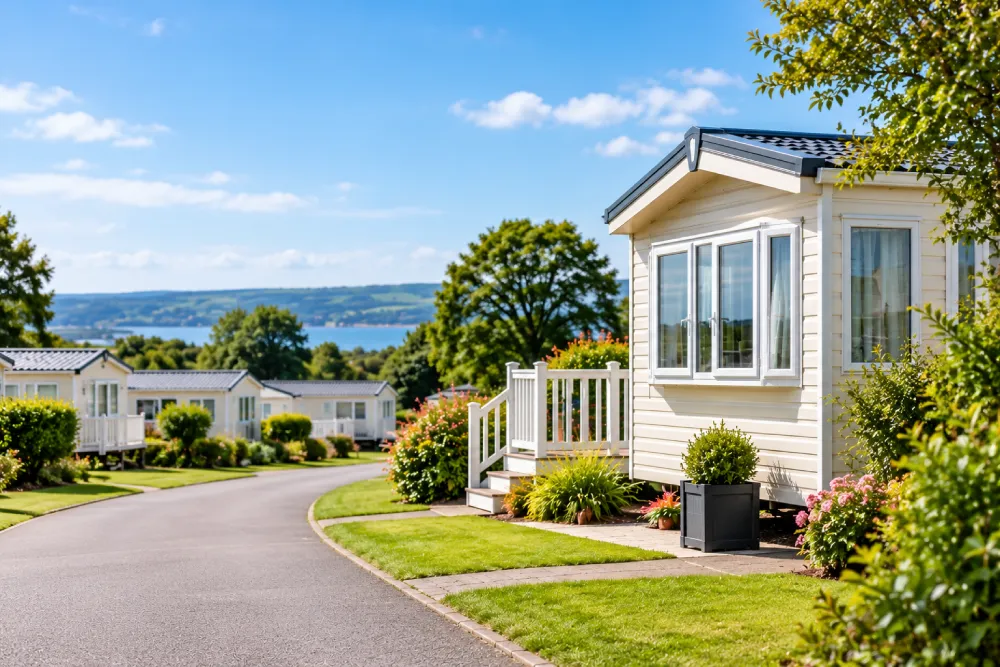
Can You Sell a Static Caravan That Is on a Holiday Park?
In many circumstances, it may be possible to sell a static caravan while it remains on a holiday park, but the terms of your agreement are important.
Owning the caravan does not necessarily mean you own the pitch beneath it.
Your agreement with the park may therefore contain specific conditions governing what happens when you decide to sell.
Before proceeding, check whether:
- You can sell privately.
- The park needs to approve the buyer.
- The park has a resale procedure.
- Commission or administration charges apply.
- The caravan can remain on its existing pitch.
- The caravan must be removed following the sale.
- You have outstanding site fees.
- There are age restrictions affecting the caravan.
Do this before accepting an offer rather than discovering a restriction when collection is due.
Start by Checking Your Holiday Park Agreement
Your agreement should be your first reference point.
Look specifically for sections concerning:
- Selling
- Resale
- Transfer of ownership
- Commission
- Pitch licences
- Removal
- Disconnection
- Notice periods
If you do not understand a particular clause, contact your park operator and ask them to explain the requirements applicable to your caravan.
Do not assume that the rules at another holiday park will apply to yours.
Start by Checking Your Holiday Park Agreement
Your agreement should be your first reference point.
Look specifically for sections concerning:
- Selling
- Resale
- Transfer of ownership
- Commission
- Pitch licences
- Removal
- Disconnection
- Notice periods
If you do not understand a particular clause, contact your park operator and ask them to explain the requirements applicable to your caravan.
Do not assume that the rules at another holiday park will apply to yours.
Check Your Holiday Park Agreement
This is an important step if your static caravan is currently located on a holiday park.
Park agreements can differ, so check the terms relating to selling, transferring ownership and removing a caravan.
Depending on your agreement, you may need to consider:
- Whether the park needs to approve a sale
- Whether private sales are permitted
- Whether the park has first refusal
- Any outstanding pitch or site fees
- Commission or administration charges
- Disconnection requirements
- Access arrangements for collection
- Rules concerning removal from the park
Checking these details early can prevent unexpected delays once you have found a buyer.
If anything is unclear, speak directly with the park operator before completing the transaction.
Step 3: Decide How You Want to Sell Your Static Caravan
There are three common routes.
Sell Your Static Caravan Privately
A private sale gives you control over advertising and negotiations.
However, you may need to:
- Photograph and advertise the caravan
- Answer enquiries
- Arrange viewings
- Negotiate the price
- Verify the buyer
- Arrange payment
- Deal with collection or transport
This route may suit owners who are prepared to wait for the right buyer.
Sell Through Your Holiday Park
Your park may offer a resale service or have its own procedures for selling caravans.
This can be convenient, but check the agreement carefully so you understand any commissions, charges and restrictions before proceeding.
Sell Directly to a Static Caravan Buyer
If your priority is a quick static caravan sale, approaching a specialist buyer can reduce the amount of work involved.
You provide the caravan’s details, receive an offer and, if you are happy to proceed, arrange the remaining steps.
At HD Caravans, owners can submit their caravan details for a no-obligation valuation.
Step 4: Prepare the Information Needed for Your Valuation
Having the right information ready can speed up your enquiry.
Try to provide:
- Caravan manufacturer
- Model
- Year
- Dimensions
- Number of bedrooms
- Current location
- Holiday park name, where applicable
- General condition
- Details of significant damage
- Clear interior photographs
- Clear exterior photographs
Be accurate about the caravan’s condition. Honest information helps the buyer assess the caravan properly and reduces the possibility of issues arising later.
Step 5: Review the Offer Carefully
A fast sale should still be a considered sale.
When you receive an offer, establish exactly what it includes.
Ask:
Is collection included?
Transporting a static caravan requires specialist equipment, so determine who is responsible for collection and its cost.
When will payment be made?
Make sure the payment arrangements are clear before the caravan changes hands.
Could there be additional deductions?
Understand whether collection, administration or other costs could affect the amount you receive.
How long is the offer valid?
Knowing the timeframe gives you an opportunity to make an informed decision.
HD Caravans provides written quotes that are valid for seven days, helping sellers understand the offer before deciding whether to proceed.
Step 6: Arrange Payment Securely
Payment is one of the most important parts of selling a static caravan.
Before ownership or possession is transferred, make sure you understand:
- The agreed selling price
- Payment method
- When payment will be made
- Whether any deductions apply
- Who is purchasing the caravan
Keep written records relating to the agreed transaction.
Never feel pressured to release a caravan simply because someone claims that payment has been made. Confirm that the agreed payment has been received according to the arrangements you made with the buyer.
Step 7: Organise Static Caravan Collection
Collection is another area where selling a static caravan differs significantly from selling a car or ordinary household item.
A static caravan may need to be disconnected, prepared and transported using specialist equipment.
Important considerations can include:
- Access to the caravan
- Holiday park permission
- Disconnection
- Decking or attachments
- Collection vehicle access
- Suitable collection dates
- Site-specific removal requirements
HD Caravans offers collection as part of its buying service, reducing the number of separate arrangements sellers need to make.
How Can I Make My Static Caravan Easier to Sell?
You do not necessarily need to spend large amounts renovating an older caravan before requesting a valuation.
Instead, concentrate on presenting its condition accurately.
Clean and Declutter
A clean caravan is easier to assess from photographs and during an inspection.
Gather Your Paperwork
Keep relevant documents together, including ownership information and your holiday park agreement where available.
Be Honest About Its Condition
Damage or wear does not necessarily mean a caravan cannot be sold. Providing accurate information from the outset makes the process more transparent.

Why Sell Your Static Caravan to HD Caravans?
HD Caravans provides a straightforward route for owners who want to sell without managing a private advertising campaign themselves.
The process begins by submitting information about your caravan for valuation.
HD Caravans can assist with:
- Static caravan valuations
- Written offers
- Nationwide purchasing
- Collection arrangements
- Caravans of different ages and conditions
- A straightforward selling process
If you’re thinking “I want to sell my static caravan”, the first step is simply finding out what it could be worth.
Should I Sell My Static Caravan or Keep It?
Selling is a personal and financial decision.
Owners commonly consider selling because:
- They no longer use the caravan regularly.
- Site fees have become difficult to justify.
- Their circumstances have changed.
- They want to upgrade or change holiday arrangements.
- The caravan is approaching an age where park restrictions may apply.
- They would prefer to release its remaining value.
Consider both the financial costs of keeping the caravan and how much you realistically expect to use it.
What Can Delay a Static Caravan Sale?
If speed matters, several common issues are worth addressing early.
Missing Caravan Information
If the make, model, year or condition is unclear, the buyer may need further information before providing an accurate offer.
Poor Photographs
Dark, incomplete or outdated photographs can make remote valuation more difficult.
Holiday Park Restrictions
A buyer may be ready to proceed, but park rules can still delay removal.
Outstanding Site Issues
Difficult Collection Access
Restricted access, decking, structures or other obstacles around the caravan can affect collection arrangements.
Identifying these issues before agreeing a sale can save considerable time later.
Frequently Asked Questions
Recent Posts
Categories

Quick Links
Copyright ©2025. All Rights Reserved. Hugh Daly Caravans | Privacy Policy | Cookie Policy | Sitemap | Areas We Cover