Blogs

Maintaining Your Static Caravan While It’s Still in the Park: Essential Tips & Checklist

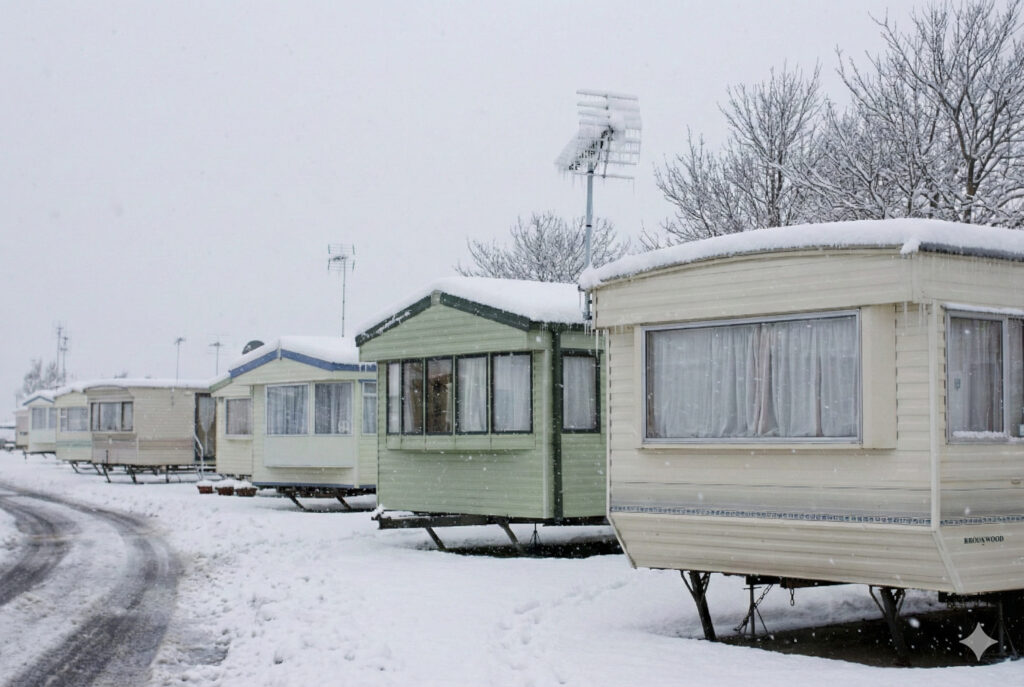
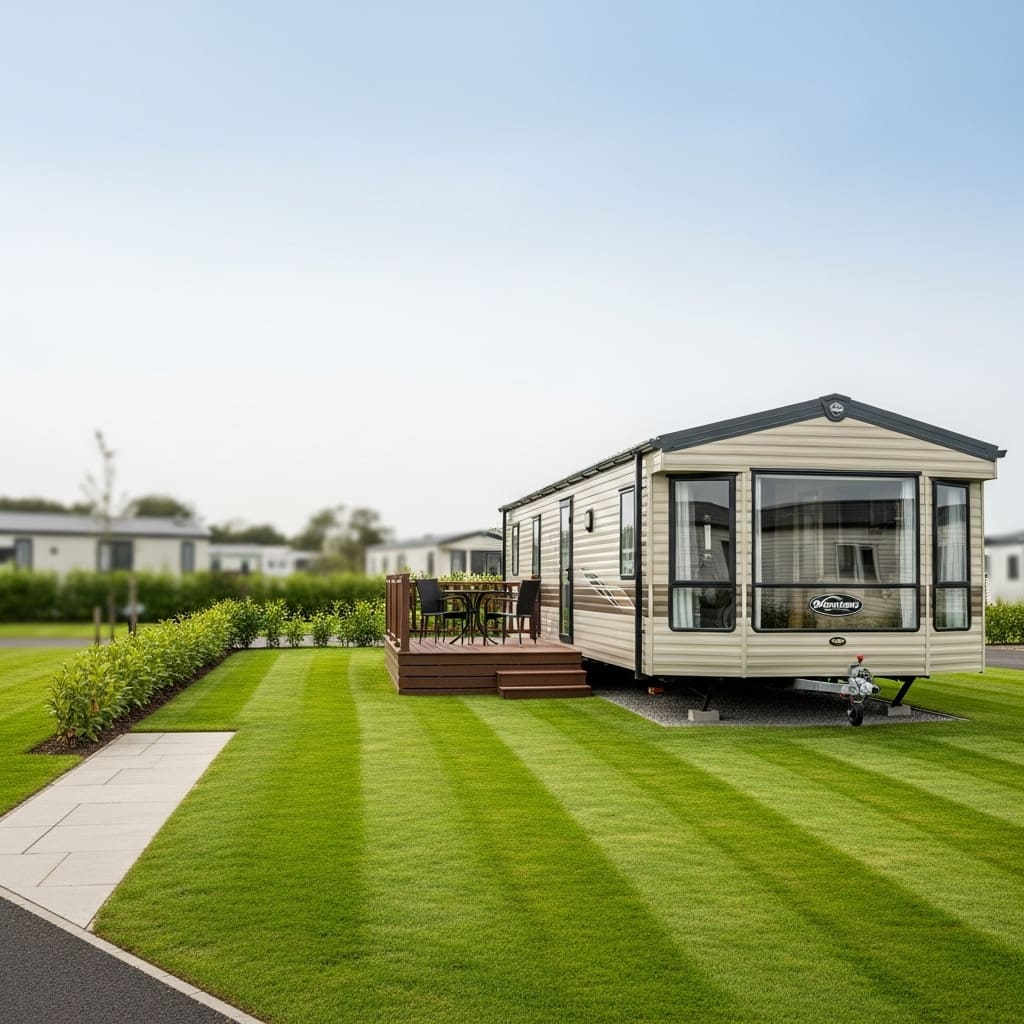
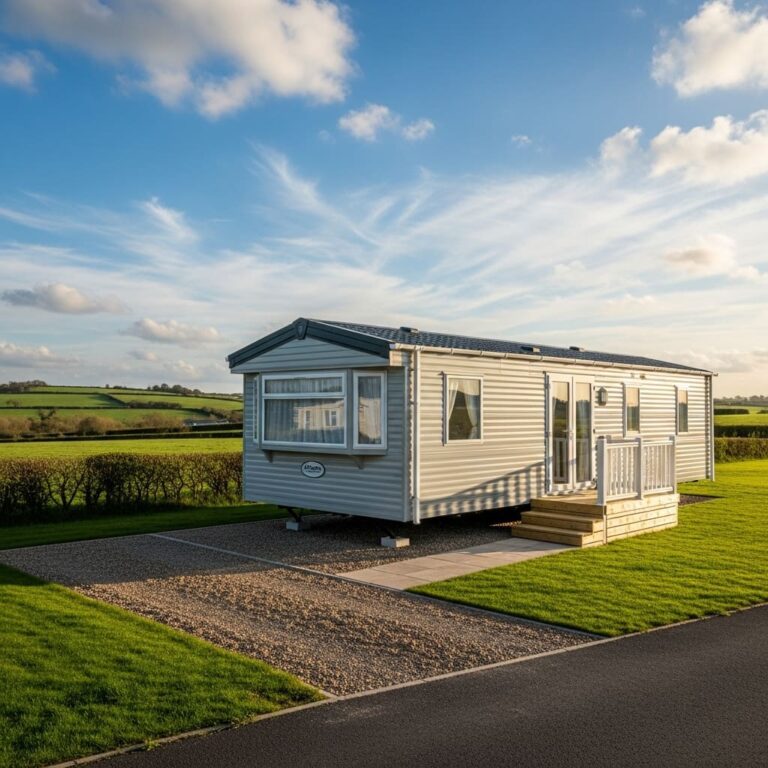
Owning a static caravan on a holiday park brings a sense of freedom, comfort and the chance to escape at a moment’s notice. To keep that experience enjoyable and protect the long-term value of your caravan, regular maintenance is essential – even while it remains sited on the park. A little consistent care can prevent costly repairs, keep everything in good working order and ensure your home-from-home always feels welcoming when you arrive.

Below is a practical guide to looking after your static caravan throughout the year while it’s still on the park.

Exterior Care: Protecting Against the Elements

The outside of your static caravan faces the British weather every day, so it’s worth carrying out simple checks regularly.

  • Inspect the seals and roof

    Look for cracks, perished sealant or signs of movement around roof joints, doors and windows. Early detection helps prevent leaks and damp damage inside.

  • Clean cladding and guttering

    Washing down the exterior a couple of times a year removes moss, dirt and grime that can trap moisture. Make sure guttering is clear so rainwater can flow away properly.

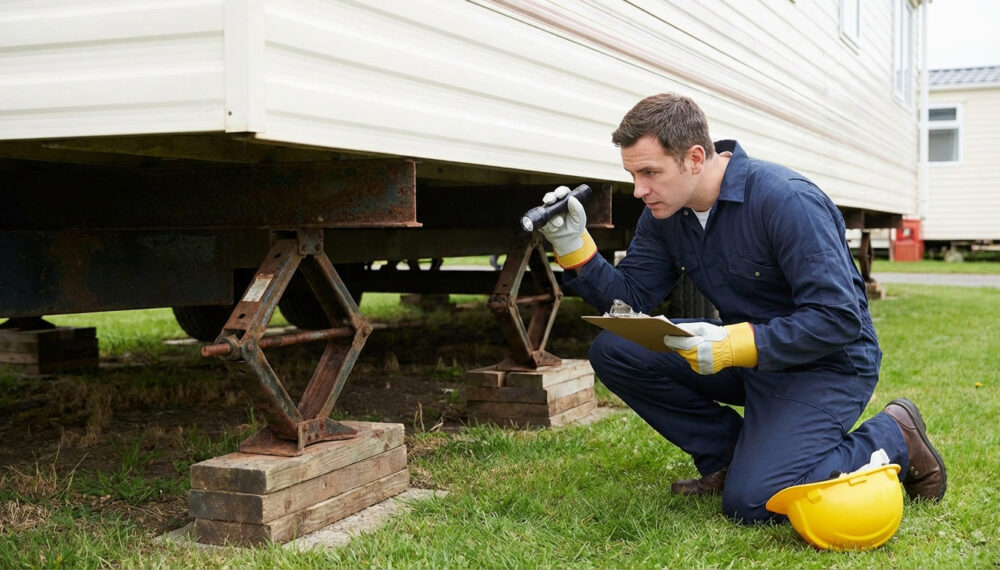
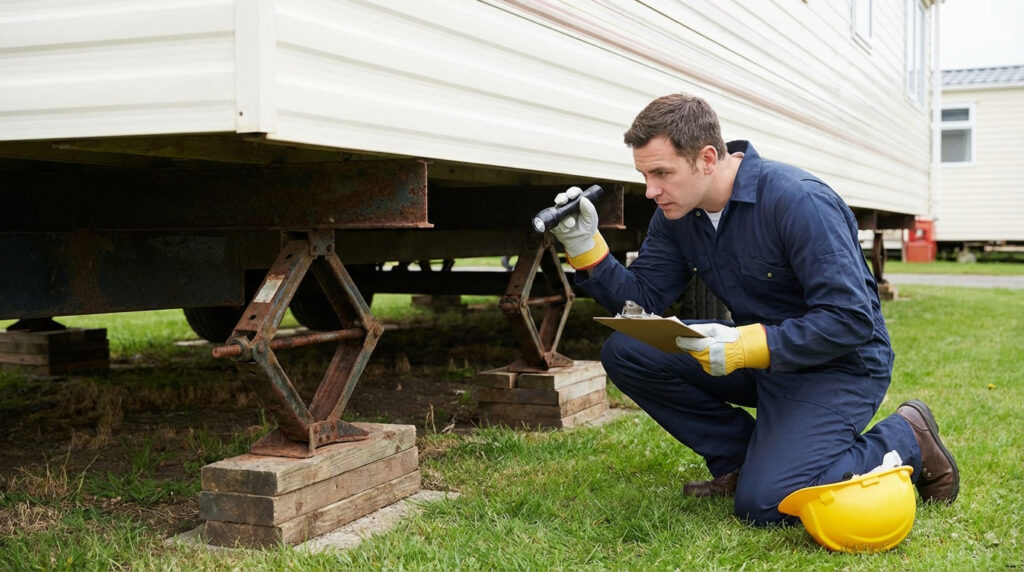
  • Check the chassis and supports

    If your caravan is elevated on blocks or supports, ensure they remain stable and not impacted by weather or shifting ground. Rust or corrosion on the chassis should be dealt with promptly.

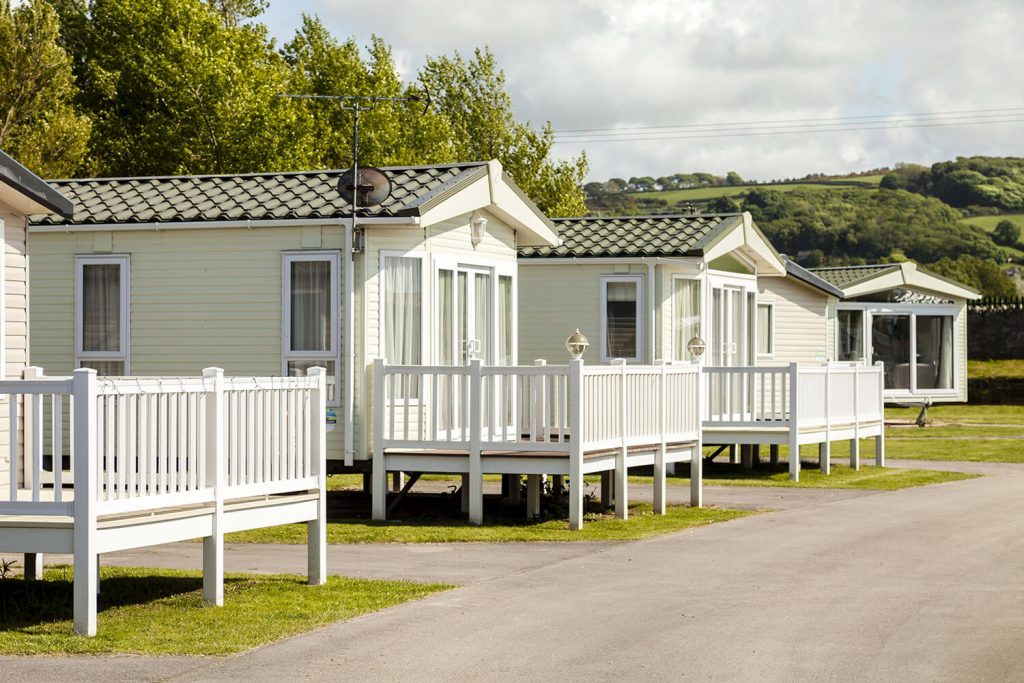
  • Don’t forget decking and steps

    Wooden or composite decking can become slippery after rain. A clean and light treatment protects the surface and reduces slips and wear.

Maintaining Your Static Caravan While It’s Still in the Park: Essential Tips & Checklist

Interior Maintenance: Keeping Things Fresh and Comfortable

Even when the static caravan is locked up between visits, the interior can experience moisture and temperature changes. A bit of routine care goes a long way.

Ventilation is key
Ensure air can circulate, particularly in winter. Trickle vents, moisture traps or simply leaving a small gap in internal doors can help prevent condensation.

Look out for signs of damp
Check corners, ceilings and around windows for soft patches, musty smells or discolouration. Catching issues early saves repairs later.

Clean surfaces and upholstery
Wipe down cupboards, units and fittings, and freshen upholstery regularly to prevent mildew or marks forming in storage periods.

Utilities and Safety Checks

Your  caravan’s utilities need periodic attention to keep everything running safely.

Gas system inspections
A qualified engineer should check your gas appliances and pipework regularly. Many parks require this for safety compliance, so it’s worth keeping up to date.

Electrical checks
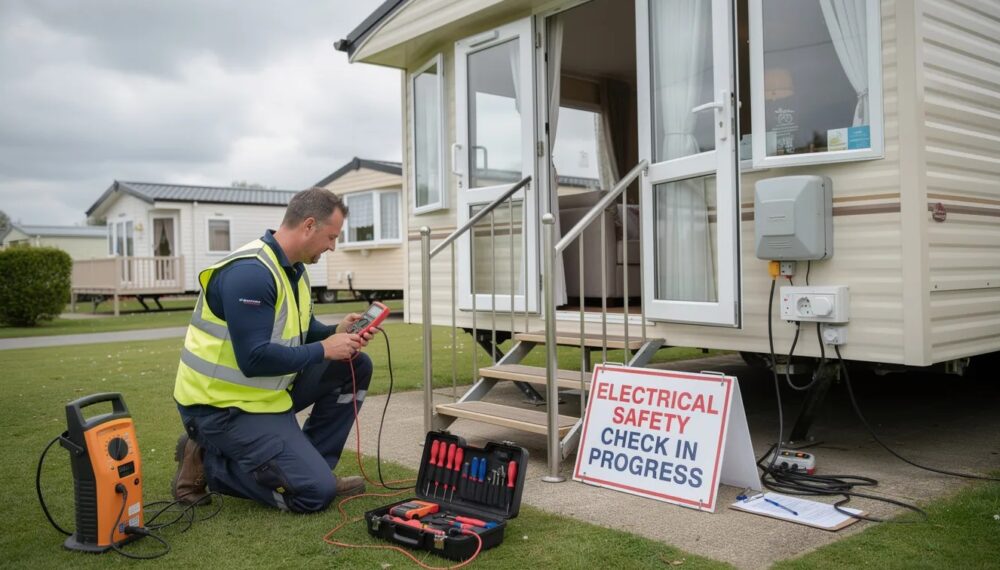
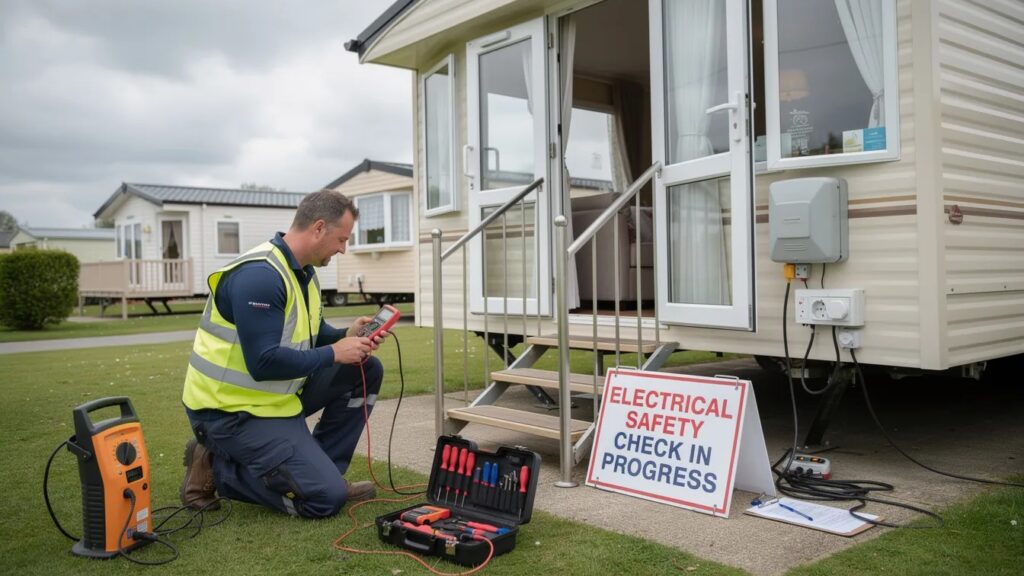
Test smoke and carbon monoxide alarms, check lighting and sockets, and ensure there are no signs of damage to cables or fittings.

Heating and hot water
Boilers and heaters benefit from routine servicing, helping them run more efficiently and reducing the likelihood of breakdowns.

Water system care
If you won’t be using the caravan for a while, draining down the water system prevents frost or pressure damage during cold spells.

Seasonal Maintenance For Static Caravan

Different times of year demand different approaches:

Winter preparation
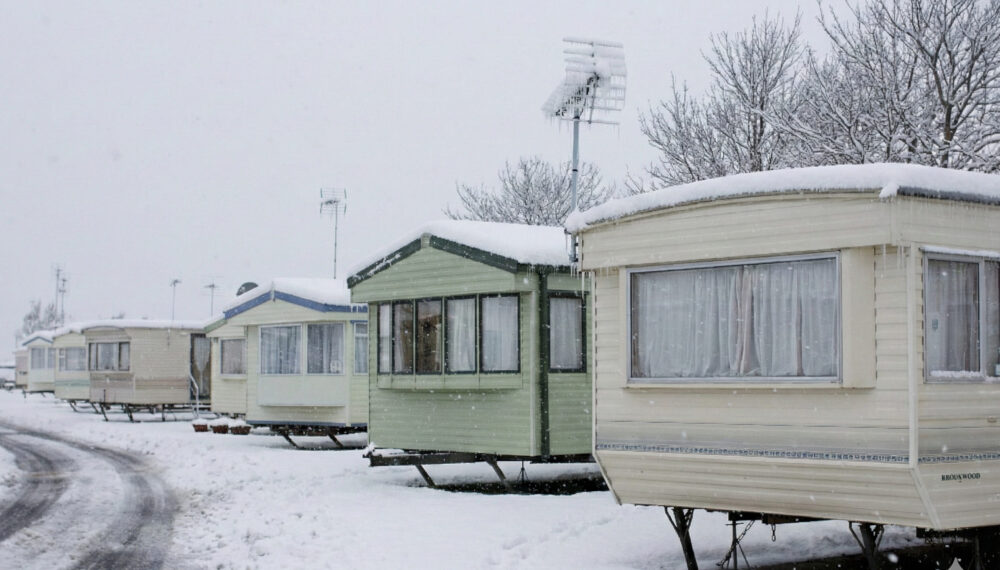
Frost protection, draining down water systems and sealing draughts protect the caravan when temperatures drop.

Spring refresh
A thorough clean and airing prepares the caravan for the holiday season and helps you spot any issues that developed over winter.

Summer upkeep
Warm weather means more use, so carpets, upholstery and appliances may need extra cleaning. Check ventilation to avoid stagnant air on hot days.

Storm checks
After strong winds or heavy rain, inspect the exterior, roof and windows for movement or leaks.

Follow Park Rules and Advice

Every holiday park has its own guidelines around repairs, works and inspections. It’s worth checking:

  • What maintenance you’re responsible for
  • Whether certain jobs require park approval
  • Any access restrictions for engineers or contractors

    Staying within the rules avoids unexpected issues and keeps everything running smoothly.

Maintaining Value for the Future

If you ever decide to sell your static caravan, its condition will play a major role in its market appeal. Regular maintenance:
  • Prevents problems from worsening
  • Reduces repair bills
  • Makes the caravan more attractive to future buyers
  • Helps retain value over time
For more detailed guidance, read our posts on key factors that determine static caravan value and top 10 things to know before selling your static caravan. If you want to make selling easy, our guide on how to sell a static caravan quickly without the stress is a helpful resource.

Final Thoughts

A well-maintained static caravan is more reliable, more enjoyable to use and better protected against wear and weather. Regular checks – both inside and out – ensure you arrive at comfort rather than surprises, and help safeguard your investment for the long term.

If you’re considering selling or upgrading, find out how it works, learn about the benefits of choosing a specialist static caravan buyer, or get in touch with us to discuss your options.

Benefits of Choosing a Specialist Static Caravan Buyer Over a Private Sale

Selling a static caravan can be a big decision, and one that often comes with the question of how to sell it. Should you handle a private sale yourself or work with a specialist static caravan buyer? While a private sale might seem straightforward at first, it can quickly become time consuming, uncertain, and stressful. 

Choosing a specialist static caravan buyer offers a faster, safer, and more reliable alternative with fair valuations, instant payment, and professional handling from start to finish. In this guide, we will explore the real benefits of choosing a specialist static caravan buyer over a private sale, so you can make an informed decision with complete peace of mind.

Benefits of Choosing a Specialist Static Caravan Buyer Over a Private Sale
caravan

Selling Your Static Caravan – Two Main Options Explained

When it comes to selling a static caravan, owners generally have two main options: arranging a private sale or working with a specialist static caravan buyer. Each route has its own advantages and challenges, depending on how much time, effort, and confidence you have in managing the process.

A private sale means finding a buyer yourself, usually by listing your caravan online, through social media, or on your holiday park’s noticeboard. This can work well if you already have interest from someone you trust, but it often involves negotiating prices, handling viewings, and managing paperwork.

A specialist buyer, on the other hand, offers a more structured and reliable service. They handle everything from the initial valuation to collection and payment, taking the pressure off your shoulders. For many sellers, this route offers peace of mind and a faster, fairer outcome.

What Is a Specialist Static Caravan Buyer?

A specialist static caravan buyer is a company that focuses entirely on purchasing static caravans directly from owners. Unlike general vehicle traders or private buyers, these specialists understand the unique details of caravan ownership, site agreements, and transport logistics. Their goal is to make the selling process as quick, simple, and transparent as possible.

The process usually starts with a free online valuation, followed by a guaranteed offer based on the caravan’s condition, age, and location. Once the offer is accepted, the buyer arranges collection and sends payment immediately, often on the same day.

Because they handle everything from start to finish, specialist buyers remove the stress and uncertainty of selling privately. With over 35 years of experience in the industry, Hugh Daly Caravans provides expert advice, fair pricing, and a smooth, professional service every time.

What Does Selling Privately Involve?

Selling your static caravan privately can seem like a good way to stay in control and potentially achieve a higher price. However, it often requires more time, effort, and patience than most owners expect. The process usually begins with advertising your caravan on online marketplaces, social media, or noticeboards at holiday parks. You will need to take clear photos, write an appealing description, and respond to enquiries from potential buyers.

Once interest builds, you may have to arrange viewings, answer questions about ownership and site rules, and negotiate prices. Many private sellers also deal with paperwork such as transfer forms, licence agreements, or park permissions.

While some private sales do run smoothly, there are common challenges such as unreliable buyers, unrealistic offers, and unexpected costs. It can take weeks or even months to complete a sale, and there is always the risk that a buyer might change their mind at the last minute.

Comparing Specialist Buyers and Private Sales – Which Offers More Value?

When deciding how to sell your static caravan, it helps to look at both options side by side. While a private sale might appear straightforward, working with a specialist buyer often delivers far more certainty, convenience, and value.

Below is a comparison of the two methods:

Factor

Private Sale

Specialist Static Caravan Buyer

Time to Sell

Can take weeks or months depending on demand

Offer and payment can be completed within days

Effort Required

You manage all advertising, enquiries, and viewings

The buyer handles everything, from valuation to collection

Costs and Fees

Advertising, site commission, or towing fees may apply

Free valuation, no commission, and free collection

Price Certainty

Buyers may negotiate or back out

Guaranteed offer with fixed price for 7 days

Payment Process

Often delayed until transfer is confirmed

Instant or same-day payment once offer is accepted

Paperwork and Legalities

You manage transfer forms and agreements yourself

Handled by the buyer for a smooth, compliant sale

Risk Level

Higher risk of scams or unreliable buyers

Low risk with trusted, verified professionals

For most owners, the difference lies in peace of mind. A specialist buyer provides a guaranteed outcome without the uncertainty, wasted time, or financial risk that often comes with private selling.

The Key Benefits of Choosing a Specialist Static Caravan Buyer

Choosing a specialist static caravan buyer offers several practical and financial advantages that make the selling process simpler, faster, and safer. Below are the key benefits that set this option apart from a private sale.

Guaranteed Fair Valuation and No Hidden Fees

Specialist buyers base their offers on genuine market value, taking into account your caravan’s age, condition, and make. There are no hidden fees or deductions, and valuations are usually free of charge. At Hugh Daly Caravans, every offer is valid for seven days, so you have time to decide without pressure.

Fast Offers and Instant Payment

One of the biggest benefits of a specialist buyer is speed. Once you accept an offer, payment is made instantly, often on the same day. This removes the uncertainty that comes with waiting for private buyers to transfer funds or complete agreements.

Free Nationwide Collection

Most specialist buyers provide free collection from your caravan’s current location, saving you the cost and hassle of arranging transport. The team safely disconnects and removes your caravan, making the process completely hands free.

Experienced Buyers Who Understand Your Caravan’s True Value

Because specialist buyers work exclusively with static caravans, they understand the market better than general traders or private buyers. This ensures you receive a fair, realistic price based on real industry knowledge. With over 35 years of experience, Hugh Daly Caravans has the expertise to assess every model accurately.

Hassle-Free Process with Paperwork Taken Care Of

From start to finish, specialist buyers manage all the essential paperwork, including transfer documents and park permissions. This means you can focus on your next steps without worrying about missed forms or errors.

Trust, Transparency, and After-Sale Support

A professional buyer values reputation and long-term trust. At Hugh Daly Caravans, customer support does not end once payment is made. The team remains available to answer questions and provide advice long after the sale is complete.

Also Explore: Top 10 Things to Know Before Selling Your Static Caravan

Why a Specialist Buyer Offers True Peace of Mind

Selling a static caravan should be simple, secure, and stress free. Choosing a specialist static caravan buyer makes that possible. From a fair valuation and instant payment to free collection and expert support, every step is handled by professionals who understand the process inside out.

While private sales can work for some, they often come with uncertainty, delays, and hidden costs. A specialist buyer provides confidence and convenience from start to finish, allowing you to move on quickly and without worry.

At Hugh Daly Caravans, we have been helping customers sell their static caravans for more than 35 years. Our friendly team takes care of everything, offering honest valuations, safe collection, and immediate payment.

If you are thinking about selling your static caravan, get your free, no-obligation valuation today and receive an offer within 12 hours.

img02

Frequently Asked Questions

Yes. Once you accept an offer, a reputable buyer like Hugh Daly Caravans transfers payment immediately, often on the same day. You will receive funds before collection, so there is no waiting around or chasing buyers for payment.

Yes. Specialist buyers arrange free nationwide collection from your location. Their team will safely disconnect and remove your caravan, saving you the cost and effort of hiring transport or lifting equipment.

No. A trusted specialist buyer will never charge hidden fees or commissions. At Hugh Daly Caravans, valuations, offers, and collection are all completely free. The price you are quoted is the amount you receive.

Check reviews, experience, and how clearly they communicate their process. Look for a company with years of experience, clear contact details, and proven customer feedback. Hugh Daly Caravans has been buying static caravans for over 35 years and is known for honest, reliable service across the UK.

The Key Factors That Influence Your Static Caravan’s Value

Selling a static caravan can feel bewildering: different buyers, patchy pricing, and confusing rules from parks or sellers. At HD Caravans we see the same questions again and again what makes one caravan worth £1,000 and another £7,000? and the answer is rarely a single thing. Value is the sum of many small factors.

This guide pulls those factors together into a single, practical resource. Read it to understand what buyers (including professional buyers like us) look for, how to improve your caravan’s worth, and the exact steps you can take today to get a fair, fast sale.

The Key Factors That Influence Your Static Caravan’s Value

1. Age, Make and Model

Age is one of the most obvious factors influencing the value of a static caravan, but it doesn’t follow a simple, predictable pattern. While older models often lose value due to natural wear, dated materials, or outdated layouts, this isn’t always the case. Caravans from well-known or reputable manufacturers tend to hold their value better because they’re often built to higher standards and are easier to maintain or repair.

In fact, the year-by-year depreciation of a caravan matters far less than its overall condition and the care it has received throughout its life. Regular maintenance, timely repairs, and a well-kept interior can often make an older caravan worth considerably more than a newer but neglected one.

Tip: If your caravan is older but well looked after and from a reputable make, it can still command a respectable price.

2. Structural condition and fabric of the caravan

This is where many buyers draw the line.

  • Damp and rot in walls, floors or the chassis is a major value killer. Buyers factor repair cost and long-term risk.
  • Roof condition: Leaking or sagging roofs reduce value significantly.
  • Windows, seals and external cladding: cracked windows, blown seals or damaged cladding are obvious visual and functional defects.
  • Chassis and axles (for towable models): rust or significant damage lowers appeal and saleability.

How professionals assess it: an experienced buyer estimates repair costs, timescale and resale potential and discounts the offer accordingly.

3. Interior condition and fittings

Buyers judge value by how much immediate work is needed.

  • Cleanliness and presentation: a tidy interior creates confidence. Stains, mould or smoke smells reduce value.
  • Kitchen and bathroom state: working appliances, leak-free plumbing and intact bathroom fittings are big positives.
  • Carpets and soft furnishings: worn or dated carpets are easy to replace but still affect perceived value.
  • Upholstery and mattress condition: evidence of pets or heavy wear reduces price.

Small investment idea: replacing a stained carpet or a worn mattress can often give a better return than the cost.

4. Layout, space and usability

Not all caravans hold the same appeal for every buyer, and layout plays a significant role in determining value. Caravans with a higher bedroom count and greater sleeping capacity generally attract better offers, as they cater to families or groups seeking flexible accommodation. Modern open-plan layouts are typically more desirable than compartmentalised designs, offering a brighter, more spacious feel that suits contemporary tastes.

Practical features such as clever storage solutions add further value, making the caravan more comfortable and functional for everyday use. Additionally, accessibility is increasingly important; level access and easy step arrangements can make a caravan far more appealing to older buyers or those with mobility considerations.

Buyers in holiday parks often choose layout first, condition second; bear that in mind when marketing.

Your Trusted Partner for Selling Caravans in Somerset

5. Utilities, electrics and heating

Functioning systems are a key indicator of reliability and significantly influence a caravan’s value. Up-to-date gas and electrical safety certificates, or evidence of recent checks, instantly boost buyer confidence. Working heating and hot water systems enhance usability and can increase the sale price, while issues such as leaks or poor water pressure quickly reduce perceived value. In short, a well-maintained, fully operational utility setup reassures buyers and supports stronger offers.

6. Location and pitch

The location of your caravan plays a crucial role in determining its value. Caravans situated on high-demand parks with desirable locations, good facilities, and convenient access often attract higher offers.

Larger pitches or those with scenic views can further enhance value, while restrictive site rules such as limits on caravan age or type, may reduce buyer interest. Accessibility also matters; if removal requires navigating narrow roads or difficult terrain, collection costs rise and offers may fall. In some cases, limited access or re-siting challenges can significantly reduce overall market appeal.

7. Documentation and legal status

Clear paperwork is a big factor.

  • Proof of ownership: title paperwork, receipts, and transferred licence make the sale faster and safer.
  • Site agreements and licences: clarity on pitch fees, length of agreement, and any outstanding obligations keeps buyers comfortable.
  • Service history and receipts: evidence of recent work (roof repairs, new gas boiler) raises credibility.

Tip: Organise documents into a single folder or scanned pack, buyers and parks will value the transparency.

8. Market demand and timing

Ultimately, a caravan’s value comes down to what someone is willing to pay. Seasonal trends play a big part, with demand and therefore prices, typically peaking in spring and early summer when buyers are planning holidays. Local market conditions also have a strong influence; if several similar caravans are available nearby, prices tend to dip due to increased competition.

Broader economic factors, such as consumer confidence and general cost of living, can also affect what buyers are prepared to offer. If you’re aiming for a quick sale, it’s best to stay realistic about pricing, but if time allows, listing during high-demand months can help you secure a better return.

9. Cosmetic appearance and kerb appeal

First impressions play a crucial role in shaping a buyer’s offer. A clean, well-presented exterior with a pressure-washed finish, freshly painted skirting, and tidy steps immediately enhances appeal. Simple upgrades such as new curtains, updated cabinet handles, or a polished worktop can make the interior feel more inviting and well cared for.

Thoughtful staging and high-quality photographs also attract stronger enquiries by helping potential buyers picture themselves in the space. Even modest investments in appearance can significantly boost buyer confidence and, in turn, the final sale price.

10. Unusual features and extras

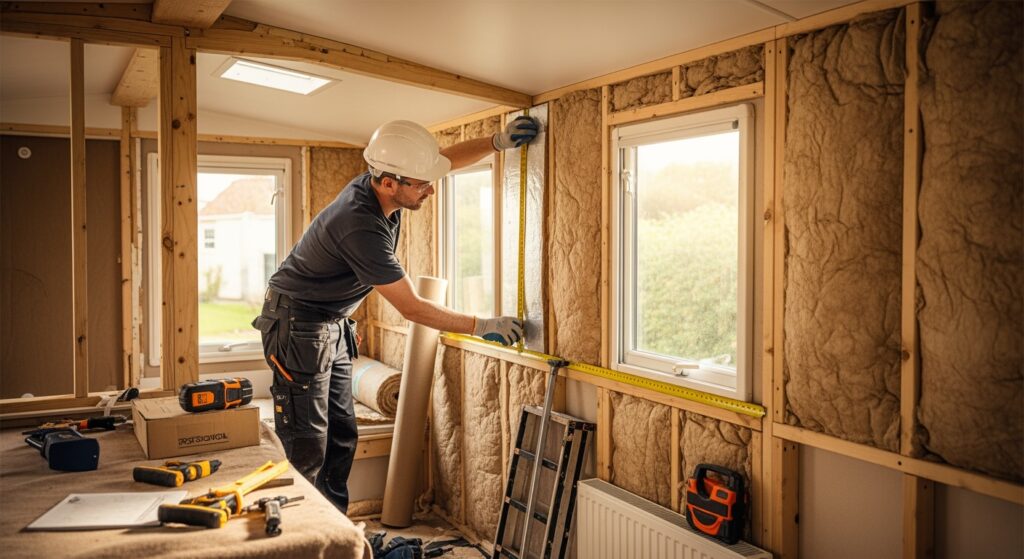
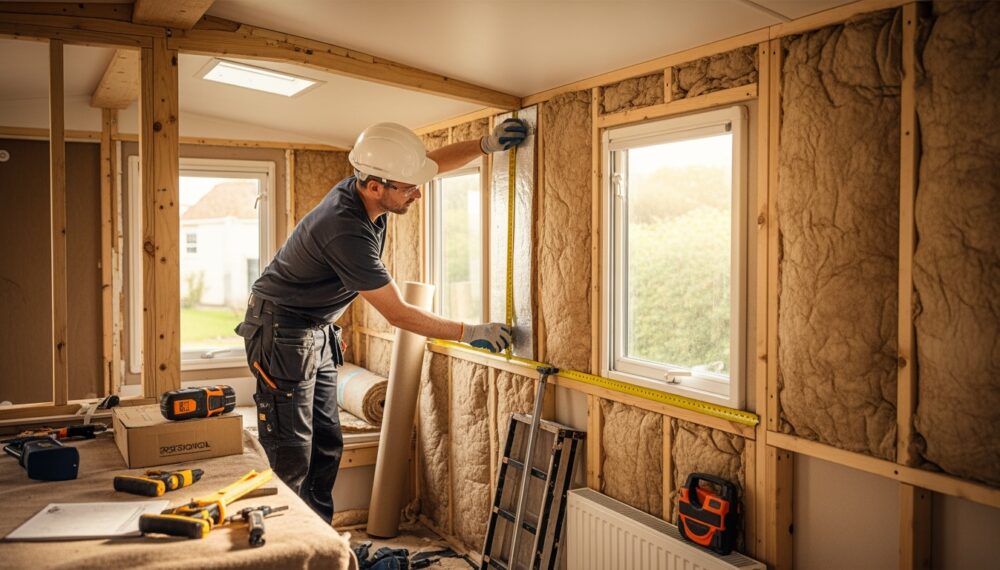
Extras can make a real difference when it comes to a caravan’s value. Features such as double glazing, upgraded insulation, or modern appliances provide tangible benefits that appeal to buyers and can justify a higher offer.

Additions like decking, awnings, or secure storage huts also enhance usability and visual appeal, though it’s important to confirm that these can be transferred under park rules. A recent, high-quality refurbishment can further elevate value, especially when it improves comfort, efficiency, and overall presentation.

But beware: Don’t overdo it. Focus on broadly useful upgrades.

How HD Caravans values a unit — the process

  1. Initial description & photos — helps create a shortlist and a ballpark figure.
  2. Detailed questions — age, make, site rules, known defects.
  3. On-site inspection (when necessary) — checks structure, services and access.
  4. Offer calculation — market value minus repair/collection/administration costs and margin.
  5. Quote & confirmation — a written offer (we guarantee ours for 7 days).
  6. Payment & collection — arranged and usually completed quickly once everything is confirmed.

If you want to maximise value, make step 1 as strong as possible: an accurate description, good photos, and honest disclosure of issues.

Practical steps you can take today to increase your caravan’s value

  • Clean inside and out; remove personal items and declutter.
  • Replace small worn items (mattresses, cushion covers, bulbs).
  • Take high-quality photos in daylight (external and internal).
  • Gather paperwork (ownership, site licence, service receipts).
  • Get a basic safety check for gas/electrics if due.
  • Note any site restrictions that could affect transfer.

Even small, low-cost actions consistently impress buyers and reduce negotiation friction.

Quick checklist — what buyers will ask for

  • Make, model, and year.
  • Clear photos of exterior, interior, chassis and serial numbers.
  • Any history of damp, rot or chassis issues.
  • Details of park/site (name, pitch, access).
  • Utilities status (gas, electric, water).
  • Proof of ownership and site licence.
  • Desired timescale for sale and any preferred collection windows.

Have answers ready, it speeds up valuation and often improves offers.

Key Takeaways

  • Value is cumulative: no single factor determines price — structure, condition, paperwork, and location all combine.
  • Small fixes pay: modest, thoughtful improvements (cleaning, carpets, certificates) usually increase the final offer more than they cost.
  • Transparency wins: clear photos, honest descriptions and organised documents shorten the sale process and reduce the chance of late renegotiation.
  • Know your goals: if you need speed, accept slightly less; if you want top price, invest time preparing and hit the market at the right time.
  • You are not alone: expert buyers exist to remove hassle — they price risks and handle removal so you don’t have to.

In short: prepare, present and pick the route that matches your timescale and priorities. That’s how you transform a stressful sale into a controlled, fair transaction.

static caravans

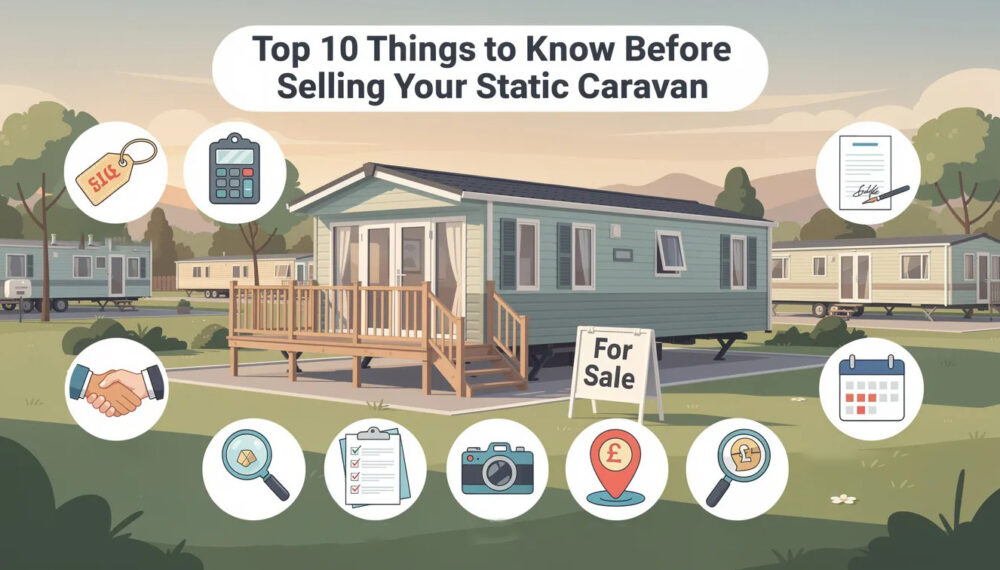
Top 10 Things to Know Before Selling Your Static Caravan

Why Preparing Properly Before Selling Your Static Caravan Matters

If you are thinking about selling your static caravan, it is tempting to accept the first offer and be done with it. However, with a little preparation, you can avoid costly mistakes, improve your caravan’s appeal, and ensure a smooth sale. The process is not always as simple as handing over the keys.

Rules differ between parks, paperwork must be in order, and costs can creep in if you are not careful. Drawing on decades of experience in the industry, this guide covers the ten most important things to know before you sell, along with insider advice to help you feel confident at every stage.


Top 10 Things to Know Before Selling Your Static Caravan

Here are the 10 most important things to know before you sell:

1. Understand Park Rules and Licence Transfers

The first step is to check what your caravan park allows. Many sites have rules about whether you can sell your caravan privately or only back to the park operator. In some cases, you can sell on the open market but must still pay the park a caravan park sale commission, which is typically up to 10 per cent of the sale price. You should also review your licence agreement carefully. Some sales require a formal transfer caravan licence so that the new owner can keep the caravan on the same pitch. Ignoring these details can delay the sale or reduce the final amount you receive.

2. Value Your Caravan Realistically

The market value of a caravan is influenced by more than just age. Key factors include:

  • Location – caravans on popular sites or premium pitches are often worth more
  • Specification – modern fittings, heating, and extras like decking can increase value
  • Static caravan condition – signs of damp, cosmetic wear, or poor maintenance reduce offers
  • Working appliances – functional gas, electric, and kitchen equipment boost appeal
  • Presentation – a clean, well-kept caravan creates a stronger first impression

While online tools provide a rough idea, nothing replaces a professional static caravan valuation. Many sellers overestimate and feel disappointed later. Securing a fair, competitive quote not only speeds up the sale but also sets realistic expectations from the start.

3. Decide How You Want to Sell

When it comes to selling your static caravan, one of the biggest decisions is how you choose to sell. Each option has its pros and cons, and the best route depends on your priorities — whether that’s speed, maximum profit, or peace of mind.

  • Selling to a dealer or specialist buyer: This is often the fastest route. Reputable buyers who specialise in static caravans can provide a quote within hours, arrange free collection, and transfer payment immediately. For many sellers who simply want a straightforward transaction, this is the least stressful option.

  • Selling privately: Advertising on caravan sales websites, social media, or even in local papers may give you a chance of achieving a higher price. However, it comes with challenges: creating listings, answering endless enquiries, dealing with time-wasters, and arranging viewings. There is also less certainty about when, or if, the sale will be completed.

  • Selling back to the park: Many holiday parks will offer to buy back your caravan, especially if it helps them control who occupies pitches. While this is convenient and keeps everything in one place, the price is usually lower than what you might achieve through other routes. Some parks also deduct a caravan park sale commission, which reduces your final return.

  • Part-exchange: If you are planning to upgrade, some parks and dealers offer part-exchange schemes where the value of your existing caravan is deducted from the cost of a new one. This can be attractive for owners who want to stay in the same park or move to a newer model without the hassle of arranging a private sale.

When weighing up these routes, consider what matters most:

  • Is your goal to sell your caravan quickly without stress?
  • Are you willing to wait longer in the hope of a slightly higher price?
  • Do you prefer the security of dealing with a trusted company?

By being clear on your priorities, you can choose the sales method that aligns best with your needs and avoid frustration along the way.

4. Get Your Paperwork in Order

One of the most overlooked areas of selling static caravan units is the paperwork. Proof of ownership, original purchase agreement, servicing records, and gas or electric certificates all strengthen your position. Buyers and dealers want reassurance that the caravan is safe, legal, and well maintained. Missing paperwork does not always prevent a sale, but it can slow the process down or reduce the price offered.

5. Factor in Hidden Costs Before You Commit

Even when you have a fair offer, be mindful of the hidden costs of selling a caravan. These can include unpaid site fees, outstanding utility bills, or disconnection charges. If the caravan needs to be moved, there may be expenses associated with caravan collection and removal. Not every company charges these, but you should ask up front so you know exactly what to expect. A low initial quote can become expensive once hidden fees are revealed, so clarity is vital.

6. Presentation Can Boost Value

Even though buyers expect older caravans to show some wear, small improvements can make a big difference to the sale price:

  • Deep clean throughout – wash surfaces, carpets, upholstery, and windows to give a fresh feel
  • Air out the caravan – remove musty smells and create a welcoming atmosphere
  • Fix minor cosmetic issues – replace broken handles, repair loose fittings, and refresh worn curtains
  • Tidy outdoor areas – if the caravan has decking or steps, make sure they are clean and safe
  • Create a good first impression – buyers often decide within minutes whether a caravan feels cared for

Even when selling to a dealer, these small steps show that the caravan has been maintained properly, confirming that the static caravan’s condition matters when negotiating a fair price.

7. Timing Influences Demand

The time of year can influence demand. Spring and early summer are often the best seasons for selling because families are planning holidays. Autumn and winter can be slower, though some buyers look for bargains during quieter months. If your licence is due for renewal soon, you may also want to complete the sale before additional fees fall due. Being aware of these seasonal trends can help you plan strategically.

8. Be Clear on Legal Considerations

There are several legal considerations when selling a static caravan. You must ensure that the contract is accurate and that any transfer of licence complies with site rules. If the buyer expects to keep the caravan on the same pitch, the agreement should explicitly confirm this. Transparency prevents disputes later. In rare cases, sellers may face challenges if they try to bypass park rules or misrepresent ownership, so honesty is always the best approach.

9. Plan the Collection and Removal Carefully

Once the sale is agreed, attention turns to logistics. Who will arrange the caravan collection and removal? A professional service should handle disconnection, towing, and transport. If the caravan is being moved off site, the park may also have rules about timing or the type of equipment used. Clear planning avoids disruption and ensures you are not left with additional costs or responsibilities once payment is made.

10. Learn from Common Mistakes

Finally, it pays to know what not to do. The most frequent errors include setting an unrealistic price, failing to read the site agreement, or leaving bills unpaid. Others rush into private sales without checking the buyer’s credibility. A professional buyer with decades of experience can help you avoid these pitfalls and provide ongoing support, even after the sale is complete. By learning from these common mistakes, you can protect yourself and secure a smoother outcome.

Bonus: Myths About Selling Static Caravans

  • Myth 1: Old caravans cannot be sold. In reality, many buyers are interested in units of all ages and conditions.
  • Myth 2: You always lose money by selling to a dealer. While private sales can yield more, hidden costs and delays often offset this advantage.
  • Myth 3: Selling is always stressful. With the right partner, the process can be straightforward, with valuation, payment, and collection handled for you.

Final Thoughts

Selling your static caravan does not have to be complicated. By understanding site rules, preparing documents, and factoring in all costs, you can avoid unpleasant surprises. The right valuation and the right buyer will ensure you achieve a fair price with minimal effort. 

If you are ready to move forward and want a trusted, family-run company to guide you, contact us at Hugh Daly Caravans today for a free, no-obligation valuation. With over 35 years of expertise and a commitment to fast, fair, and transparent service, we can help you sell quickly and confidently.

FAQs About Selling a Static Caravan

The most reliable way is to request a professional static caravan valuation. Online calculators can provide a rough figure, but they rarely account for important details such as pitch location, caravan specification, or recent maintenance. A specialist buyer will inspect these factors and give you a fair, competitive quote. This ensures you know exactly what your caravan is worth in today’s market.

Yes, most holiday parks offer the option to sell your caravan back to them, which can be quick and convenient. However, you should be aware that many parks apply a caravan park sale commission, often up to 10 per cent of the final price. This can significantly reduce your return compared to other selling routes. Always review your licence agreement to understand the rules and charges before proceeding.

Having the right documents ready will make the sale much smoother. Typically, you’ll need proof of ownership, servicing history, and valid gas and electrical safety certificates. If the buyer intends to keep the caravan on its pitch, you may also need to process a transfer caravan licence with the park. Preparing these documents in advance can help you avoid delays and give the buyer greater confidence.

If you sell to a specialist buyer, they will usually take care of caravan collection and removal at no extra cost to you. Their team will handle disconnection and transport safely, saving you the expense and hassle. In contrast, private sales often require the seller to arrange and pay for removal, which can quickly become costly. Always confirm who is responsible for this step before finalising the sale.

The timeframe depends on the route you choose. A private sale can take weeks or even months, as you wait for the right buyer and negotiate terms. By contrast, a professional buyer can provide an offer within 12 hours and arrange payment and collection almost immediately.

How to Sell a Static Caravan Quickly Without the Stress

How to Sell a Static Caravan Quickly Without the Stress

Selling a static caravan can sometimes feel overwhelming. From dealing with paperwork to arranging transport and negotiating with park owners, the process can take longer than expected. The good news is that you can sell a static caravan quickly without the stress by choosing the right approach. Whether you are moving on from holiday park life, upgrading to a new model or simply freeing up space, there are fast and hassle-free ways to achieve a fair deal.

In this guide, you will learn how to sell your static caravan quickly, what steps to take, pitfalls to avoid and why choosing a trusted static caravan buyer UK is often the best way to achieve a smooth and stress-free sale.

How to Sell a Static Caravan Quickly Without the Stress

Why Selling a Static Caravan Can Feel Stressful

Selling a static caravan is not always as simple as handing over the keys. Many owners quickly discover that the process comes with obstacles that can make it feel overwhelming. Some of the most common challenges include:

we buy static caravan
  • Park rules and restrictions: Many holiday parks set strict rules about resales. They may insist that you sell through them, charge a commission, or limit who you can sell to.
  • Hidden deductions: Pitch fees, site transfer costs or commission charges can reduce your final payout.
  • Private sales take time: Advertising your caravan, dealing with enquiries, arranging viewings and negotiating offers can drag out the process for weeks or even months.
  • Uncertain buyers: Private buyers can change their minds, lower their offers or fail to secure funds, wasting valuable time.
  • Logistics of removal: Once sold, you still need to organise safe disconnection, transportation and removal of the caravan from its pitch.
  • Payment concerns: Waiting for bank transfers or dealing with delayed payments can add unnecessary stress.
  • Emotional strain: For many families, a static caravan holds years of memories. Letting go can be emotionally draining, especially if the process becomes drawn-out.

Step 1 – Get a Free Static Caravan Valuation

The very first step in achieving a quick static caravan sale is to request a valuation. This gives you a clear idea of how much your caravan is worth and allows you to compare your selling options with confidence. Without knowing the value, it is easy to accept an offer that is too low or waste time chasing unrealistic prices.

A free valuation static caravan service is straightforward and designed to save you time. By answering a few simple questions about your caravan, you can receive an accurate, no-obligation quote in a matter of hours.

Most reputable static caravan buyer UK companies provide this service online. At Hugh Daly Caravans, our valuation form takes just five minutes to complete and provides you with a quick and reliable offer. Unlike some buyers who adjust their prices without warning, we guarantee our static caravan quotes for seven days, giving you certainty while you make your decision.

When requesting a valuation, you will usually be asked for details such as:

  • The make and model of your static caravan
  • Its age and general condition
  • Whether it is still sited on a holiday park
  • Any paperwork you have, such as proof of ownership or site agreements
  • Your location for collection purposes

By providing accurate information upfront, you ensure the quote reflects the real value of your caravan. This transparency means fewer surprises later in the process and helps you sell static caravan quickly without unnecessary stress.

Step 2 – Compare Selling Options for a Quick Sale

Here are the main ways you can sell:

Private sale

  • You advertise the caravan yourself on websites, social media or local listings.
  • Potentially achieves a higher price, but it can take weeks or months to find a serious buyer.
  • You are responsible for viewings, negotiations, paperwork and payment security.
  • High risk of wasted time with unreliable buyers who back out or reduce their offers.

Selling via the park

  • Some holiday parks allow owners to sell directly through them.
  • While convenient, parks often charge high commission fees which reduce your final return.
  • Rules and restrictions may limit who you can sell to, sometimes forcing you to accept a lower price.
  • The process can be slower and less flexible than using a dedicated buyer.

Professional static caravan buyer

  • The fastest and most hassle-free option when you want a quick static caravan sale.
  • You receive a guaranteed written quote, often within 12 hours.
  • No advertising, no hidden fees, and full support with paperwork and disconnection.
  • Includes a free static caravan collection service, saving you time and money.
  • Instant payment once the offer is accepted, making the process stress-free.

For many owners, the professional route is the most practical. While private sales can sometimes achieve a higher figure, the time, stress and uncertainty often outweigh the benefits. A trusted static caravan buyer UK offers the perfect balance of speed, security and peace of mind.

Step 3 – Secure a Guaranteed Offer and Instant Payment

Key benefits of securing a guaranteed offer:
  • Price certainty: Know exactly what you will receive without fear of sudden reductions or last-minute negotiations.
  • Fast access to funds: Receive instant payment, allowing you to plan your next steps without delays.
By securing a guaranteed offer and instant payment, you’re not just selling your caravan,you’re taking control of the process and avoiding the common pitfalls that can turn what should be an easy sale into a stressful ordeal.

Step 4 – Arrange Hassle-Free Collection and Removal

One of the biggest concerns for static caravan owners is what happens after the sale is complete. Questions like “Will it be disconnected safely?” or “Who handles transport?” can cause unnecessary stress. This is where a trusted static caravan collection service makes all the difference.

At Hugh Daly Caravans, we specialise in safe disconnection and nationwide collection, taking care of the logistics so you don’t have to. From start to finish, our team ensures your caravan is removed efficiently and safely, no matter its condition. Even if your caravan needs repairs or attention, our collection service provides a seamless, all-in-one solution.

Why hassle-free collection matters:

  • Safe disconnection: Certified professionals handle all utilities and attachments, avoiding damage to your caravan or park facilities.
  • Nationwide transport: We arrange the pickup and delivery anywhere in the UK, so you don’t have to coordinate multiple parties.

With a reliable collection and removal service, your sale becomes truly stress-free. You can sell your caravan quickly, receive guaranteed payment, and have peace of mind knowing the entire process,from offer to collection,is taken care of professionally.

Common Pitfalls to Avoid When Selling Your Caravan

Selling quickly does not mean accepting the first offer that comes along. Acting in haste can expose you to problems that cost time, money and peace of mind. Some buyers deliberately make low offers, hoping you are desperate to sell. Others add hidden fees for removal, admin or even valuations, shrinking the final amount you receive. There are also unreliable buyers who delay payment or fail to turn up, leaving you stuck with a caravan you thought was sold. In rare cases, scams from unverified businesses can cause even bigger losses. To avoid these pitfalls, always work with a trusted static caravan buyer UK that provides fair quotes, instant payment and free collection.

Tips to Make the Sale Even Smoother

There are a few simple steps you can take to help the process run even more smoothly:

  • Keep paperwork ready, including proof of ownership and site agreements.
  • Empty and clean the caravan before collection.
  • Take clear photos if requested for the valuation.
  • Communicate openly with your chosen buyer.

By preparing in advance, you can speed up the static caravan selling process and avoid unnecessary delays.

Why Choose Hugh Daly Caravans for a Stress-Free Sale

With over 35 years of experience, Hugh Daly Caravans offers trusted, reliable service for selling your static caravan quickly. We provide free valuations with no obligation, written offers within 12 hours valid for seven days, and instant payment once accepted. Our nationwide collection service handles disconnection and transport at no extra cost, and we buy caravans of any age or condition, ensuring a hassle-free experience from start to finish.

Final Thoughts

If you are wondering how to sell a static caravan fast, the answer is to choose a trusted and experienced buyer. By following the right steps, avoiding common pitfalls and working with a specialist, you can enjoy a fair deal, instant payment and a completely stress-free process.

For a quick static caravan sale, request your free static caravan valuation today and discover how easy it can be to sell your caravan quickly without the stress.

Buy My Static Caravan in Devon

Frequently Asked Questions

If you choose a professional static caravan buyer, the process can be extremely fast. In most cases, you will receive a written offer within 12 hours of submitting your details. Once the offer is accepted, the sale can be completed in just a few days, far quicker than private advertising or dealing with park owners.

Yes, reputable buyers purchase caravans in any age, size or condition. Whether your caravan is modern and well-kept or older and showing signs of wear, you can still secure a fair offer. This takes away the stress of wondering if your caravan is suitable for sale and ensures you always have an interested buyer.

Each park has its own rules, which can sometimes complicate the selling process. A specialist buyer can often handle this for you by liaising directly with the park owner and advising on paperwork. This means you are not left navigating site fees, licence transfers or other contracts alone.

One of the biggest concerns for sellers is how long it will take to receive the money. Trusted caravan buyers offer instant payment static caravan transactions once you have accepted their offer. Funds are transferred directly into your bank account, so you do not have to wait weeks for clearance or chase unreliable buyers.

Scroll to top