Is Winter a Good Time to Sell Your Static Caravan? What Sellers Should Know
Timing plays a bigger role in caravan sales than many owners realise. Most people assume spring and summer are the only “good” times to sell, but winter often presents opportunities that experienced sellers and trade buyers understand well. While footfall on parks slows, the market doesn’t stop, it simply changes shape.
If you’re considering selling your static caravan, winter can either work strongly in your favour or feel frustrating depending on how you approach it. This guide explains how the winter market behaves, the advantages and downsides, and how to position your caravan for a successful off-season sale.
How the Static Caravan Market Changes in Winter?
The winter caravan market is quieter, but quieter doesn’t mean inactive. It becomes more focused and transactional.
During colder months:
- Casual park visitors drop significantly
- Browsing buyers disappear
- Serious, decision-ready buyers remain active
- Trade buyers continue purchasing year-round
Winter buyers are often motivated by practical reasons: upgrades, relocations, investment purchases, or preparation for the upcoming season. Dealers and professional buyers actively use winter to restock inventory before spring demand rises.
From a market perspective, winter is less about volume and more about efficiency. Transactions that happen tend to move faster because buyers entering the market already know what they want.
Advantages of Selling Your Static Caravan in Winter
Selling your static caravan in winter can be a smart choice. While the market may seem quieter, there are unique benefits that make this season ideal for certain sellers, including reduced competition and faster transactions.
Reduced Competition
Fewer caravans are listed during winter, so your unit is more likely to stand out. This limited supply increases visibility and attracts serious buyers quickly.
Motivated Buyers
Winter buyers tend to be decisive and ready to act, reducing wasted time on viewings. Many are looking to secure a caravan before the new season or rising fees.
Avoiding Another Year of Fees
Selling before annual pitch fees are renewed saves money. You can also avoid ongoing winter maintenance costs and prevent further depreciation of your caravan.
Faster Trade Transactions
Professional buyers and dealers operate year-round, and winter is often when they restock. This allows for quicker, smoother sales without long waiting periods.
Potential Downsides of Winter Sales
Winter selling is practical, but it isn’t perfect. Understanding the limitations helps set realistic expectations.
- Lower foot traffic: Holiday parks are quieter, so private buyers are harder to attract. Fewer casual visitors mean fewer spontaneous viewings.
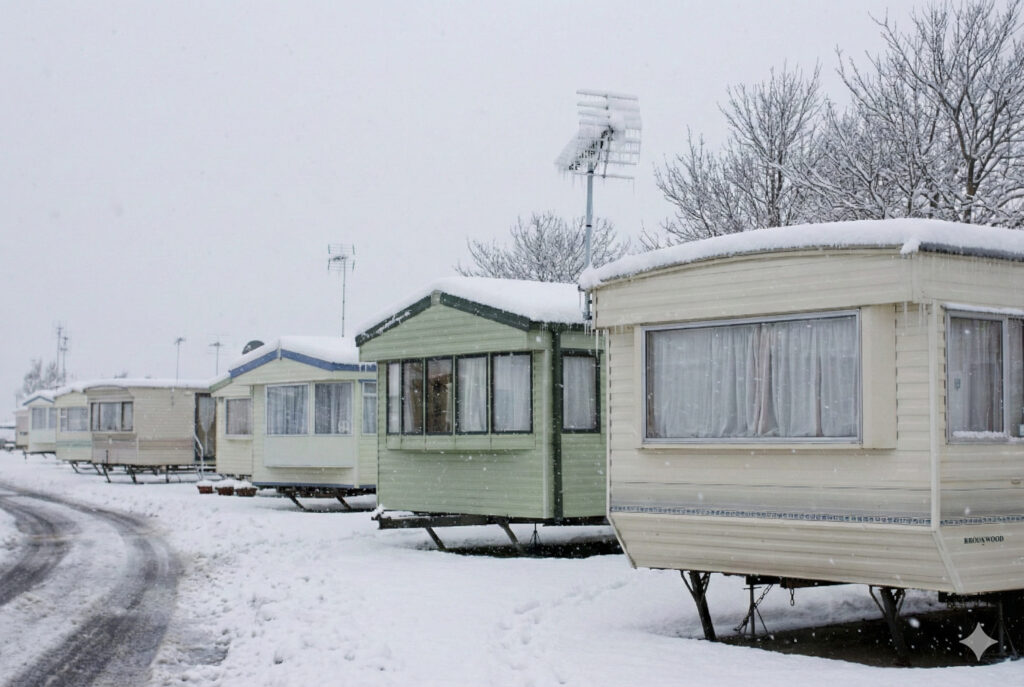
- Weather challenges: Cold, wet conditions can affect presentation. Damp interiors, muddy surroundings, and poor lighting make viewings less appealing unless properly managed.
- Perception of a slow market: Some sellers hesitate because winter feels like a bad time to sell. This perception can lead to underpricing out of fear, even when demand still exists.
The key takeaway: winter sales rely more on preparation and pricing strategy than peak-season momentum.
When Winter is Actually the Smartest Time to Sell?
For many caravan owners, winter isn’t just an acceptable time to sell, it can be the most practical and financially sensible choice. This season is ideal if annual pitch fees are approaching, your caravan is rarely used, or maintenance costs are starting to add up. Selling in winter allows you to avoid unnecessary expenses and minimise ongoing costs.
Winter is also a smart option if you plan to upgrade in spring. Static caravans naturally depreciate with age rather than usage, so waiting several months rarely increases value. By selling earlier, you can preserve equity and avoid a loss in potential resale price.
Ultimately, owners prioritising financial efficiency often find that winter sales provide the best balance of timing, savings, and market opportunity. With careful preparation, the colder months can offer a smoother and more cost-effective selling experience.
Preparing Your Caravan for a Winter Sale
Proper preparation is essential for a successful winter sale. Buyers expect a caravan that is warm, dry, and well maintained, and presentation can make a significant difference in securing a quick sale.
Interior comfort: Ensure the caravan feels inviting by running the heating before viewings and using warm lighting instead of harsh bulbs. Remove condensation and air out soft furnishings to create a cozy, well-kept atmosphere.
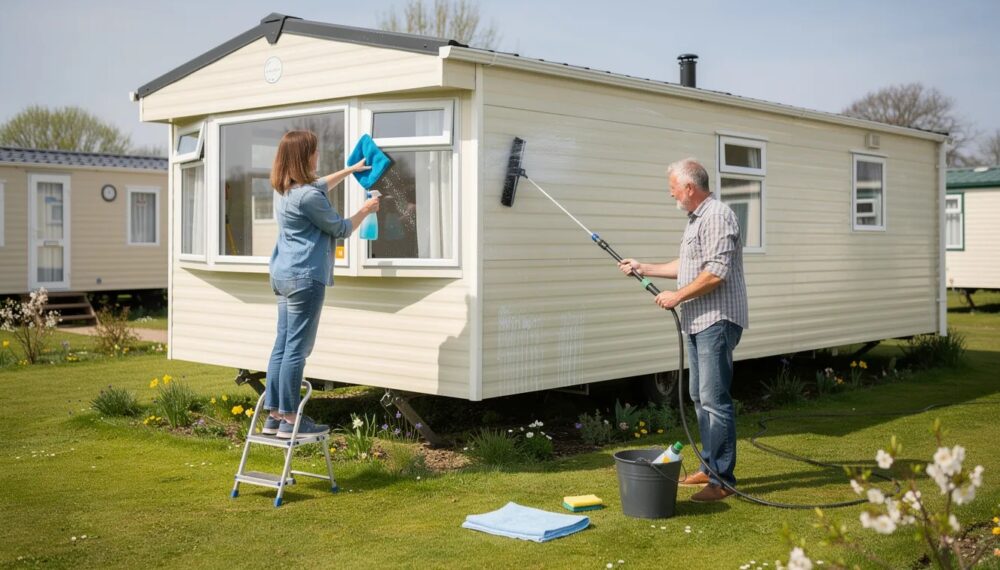
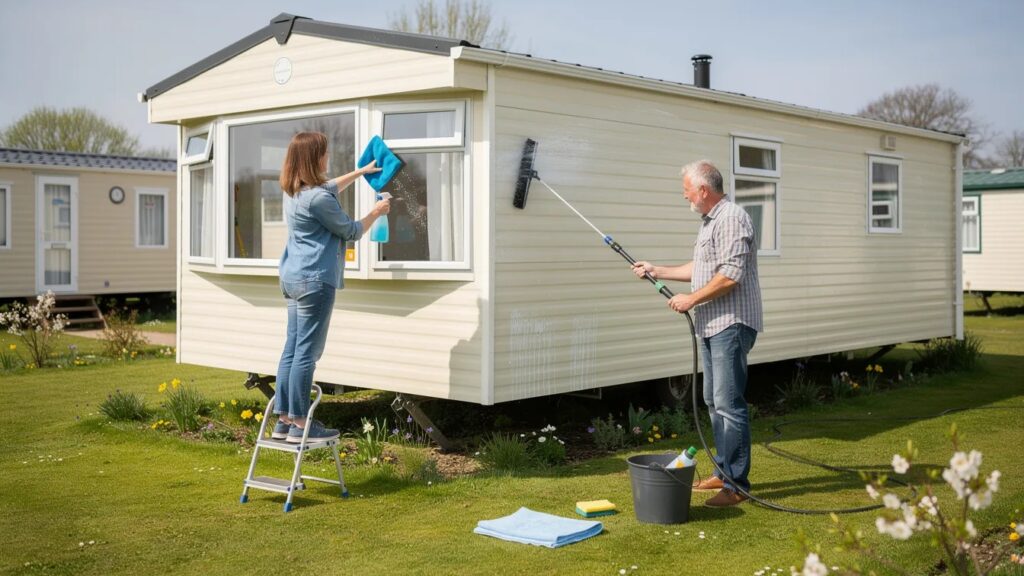
Exterior appearance: A clean exterior builds buyer confidence. Clear leaves, debris, and standing water, clean windows and entry points, and ensure steps and decking are safe and tidy.
Safety and maintenance: Check that gas and electrical systems are safe and functional, address any visible damp, and fix minor cosmetic issues. These small actions show buyers that the caravan has been well cared for.
Documentation ready: Organise all relevant paperwork, including ownership details, service records, site agreements, and compliance certificates. Prepared documentation reinforces trust and simplifies the sale process.
Choosing the Right Selling Method in Winter
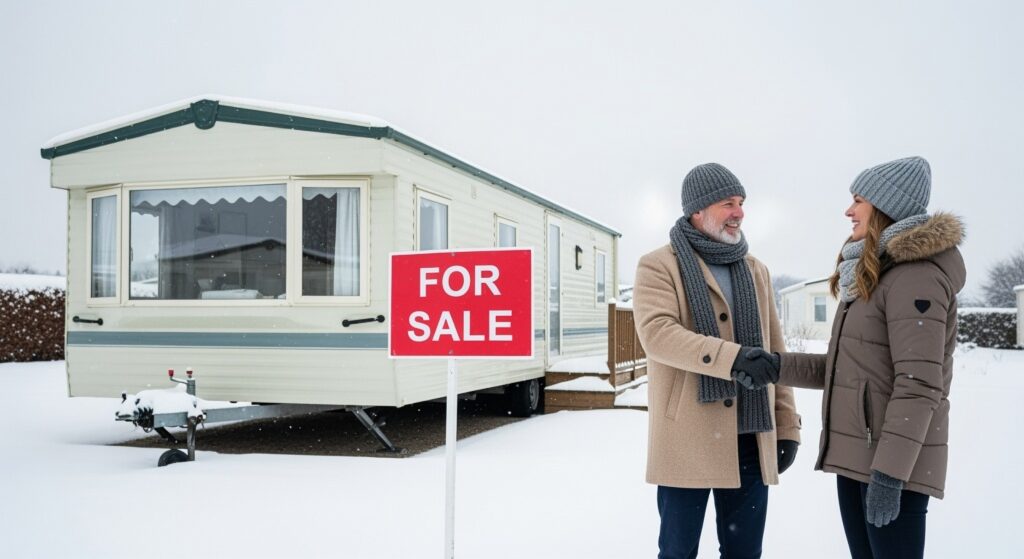
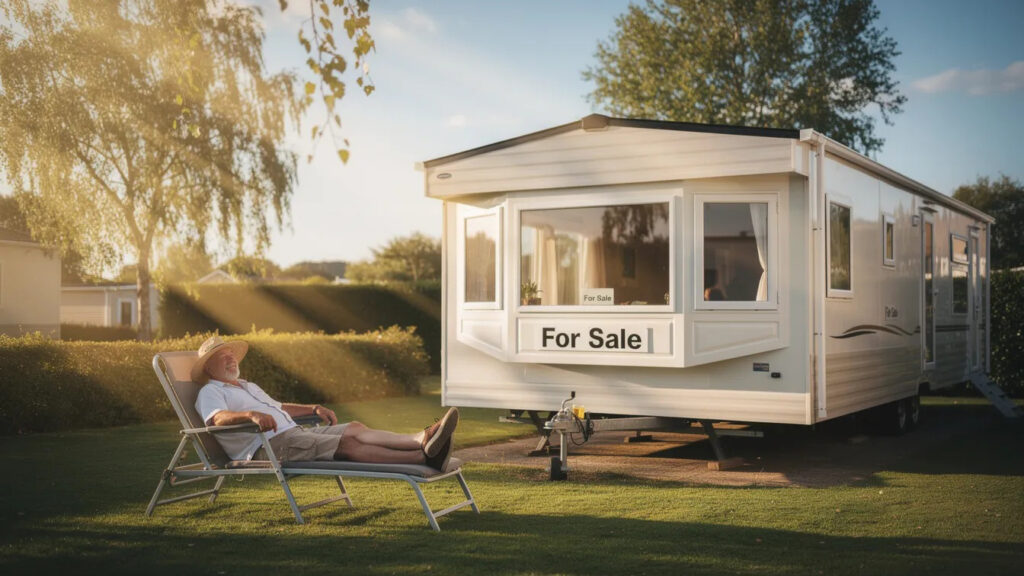
In winter, the selling method you choose can have a bigger impact than during the busy peak season. Private sales may take longer due to lower casual demand, even if prices can sometimes be higher, as buyers are fewer and less spontaneous.
On the other hand, trade or direct buyers offer faster, guaranteed transactions with no advertising delays or repeated viewings. For many winter sellers, prioritising speed and reliability over maximum price reduces stress and ongoing costs, making professional buyers a practical option when timing matters most.
Expert Tips to Get the Best Price in Winter
Selling a static caravan in winter requires strategy rather than simply cutting prices. With the right approach, you can attract serious buyers and secure a fair offer even during the colder months.
- Price realistically – Avoid overpricing, as it can lead to your caravan lingering on the market. Research similar caravans and set a competitive, attractive price.
- Focus on condition – A clean, warm, and well-maintained caravan stands out, even in winter, helping buyers see its true value.
- Act quickly on offers – Winter buyers are motivated; responding promptly prevents lost opportunities and keeps the sale moving.
- Use professional valuations – Accurate, expert valuations ensure realistic expectations and prevent emotional pricing errors.
- Highlight winter readiness – Emphasise features like insulation, efficient heating, and damp prevention to reassure buyers the caravan is comfortable year-round.
Final Thoughts
Winter is not a bad time to sell a static caravan, it’s simply a different market with different dynamics. While casual demand slows, serious buyers remain active, competition drops, and financial timing often works in the seller’s favour.
Owners who prepare properly, price intelligently, and choose the right selling method can complete smooth winter transactions without sacrificing value. In many cases, selling before another year of fees and depreciation begins is the smartest financial move available.
At HD Caravans, we understand how seasonal markets work and support owners through year-round caravan sales. With the right strategy, winter can be an opportunity rather than an obstacle, and for many sellers, it’s the most practical time to move forward.