Month: January 2026

Energy-Efficient Heating and Insulation Tips for Your Static Caravan

Owning a static caravan provides a perfect escape from the daily grind, offering comfort and relaxation in picturesque locations across the UK. However, maintaining a cozy and energy-efficient caravan, especially during colder months, requires careful planning and practical solutions. Rising energy costs and environmental concerns make it more important than ever to optimise heating and insulation. 

This guide provides practical, expert-backed tips to help static caravan owners save energy, reduce costs, and enjoy a warm, comfortable space all year round.

Why Energy Efficiency Matters in Static Caravans?

Energy efficiency in a static caravan isn’t just about reducing bills; it also has practical and environmental implications. Poorly insulated caravans or inefficient heating systems can lead to:

  • Higher energy costs: Heat escapes quickly in older or poorly insulated units, forcing heaters to work harder.
  • Inconsistent comfort: Cold spots, drafts, or condensation can make living conditions uncomfortable.
  • Environmental impact: Excessive energy usage increases your carbon footprint, contributing to climate change.

By focusing on energy efficiency, caravan owners can enjoy a warmer environment, save money on electricity or gas bills, and make their holiday homes more environmentally responsible. Energy efficiency also prolongs the life of heating systems and reduces maintenance requirements, making it a win-win for both comfort and cost savings.
img02

Assessing Your Caravan’s Current Heating and Insulation

Before making improvements, it’s important to evaluate your caravan’s existing systems. Start by assessing:

Heating system type: Identify whether you have electric heaters, gas heating, or an LPG boiler. Each system has different energy efficiency characteristics and operational costs.

Insulation levels: Examine walls, floors, and ceilings to determine if additional insulation could reduce heat loss. Older caravans often have minimal insulation, especially in roof panels or underfloor areas.

Windows and doors: Draughty windows and poorly sealed doors are common culprits of heat loss. Check for gaps and worn seals.

Overall condition: Inspect for leaks, damaged panels, or condensation, as these issues can undermine insulation and reduce heating efficiency.

This evaluation helps you prioritise the areas that will have the biggest impact on comfort and energy savings.

Heating Tips for Energy Efficiency

Select Efficient Heaters

Choosing the right type of heater can make a big difference in energy consumption. Modern electric or gas heaters with thermostatic controls maintain a consistent temperature without wasting energy. Infrared panels or convection heaters are also excellent for providing targeted warmth, allowing you to heat only the areas you need instead of the entire caravan.

Use Programmable Thermostats

Timers and smart thermostats help control your heating schedule efficiently. By setting heating to turn on only when needed, you avoid unnecessary energy use while still ensuring your caravan is warm when you arrive. This small adjustment can lead to noticeable savings on energy bills over time.

Implement Zoned Heating

Focus on heating the main living areas rather than the entire caravan, especially when some rooms are unused. Zoned heating reduces energy consumption while maintaining comfort in key areas, making it a practical solution for both short visits and extended stays.

Maintain Heating Systems Regularly

Proper maintenance of boilers, heaters, and radiators is essential for energy efficiency. Dirty or poorly functioning equipment requires more energy to operate, increasing costs and reducing effectiveness. Schedule regular servicing to keep systems running smoothly and safely.

Supplementary Heating Options

Additional heating sources can enhance comfort without significantly raising energy usage. Layering rugs, using heated throws, or adding small portable heaters can provide warmth where it’s needed most. These solutions are especially useful during colder months or in areas of the caravan that are prone to drafts.

Efficient Heating Practices

Efficient heating isn’t just about turning up the thermostat. It’s about choosing the right system, using it at the right time, and maintaining it properly. Combining these strategies ensures your caravan stays warm, energy-efficient, and cost-effective throughout the year.

Insulation Tips for Maximum Comfort

Roof and Wall Insulation

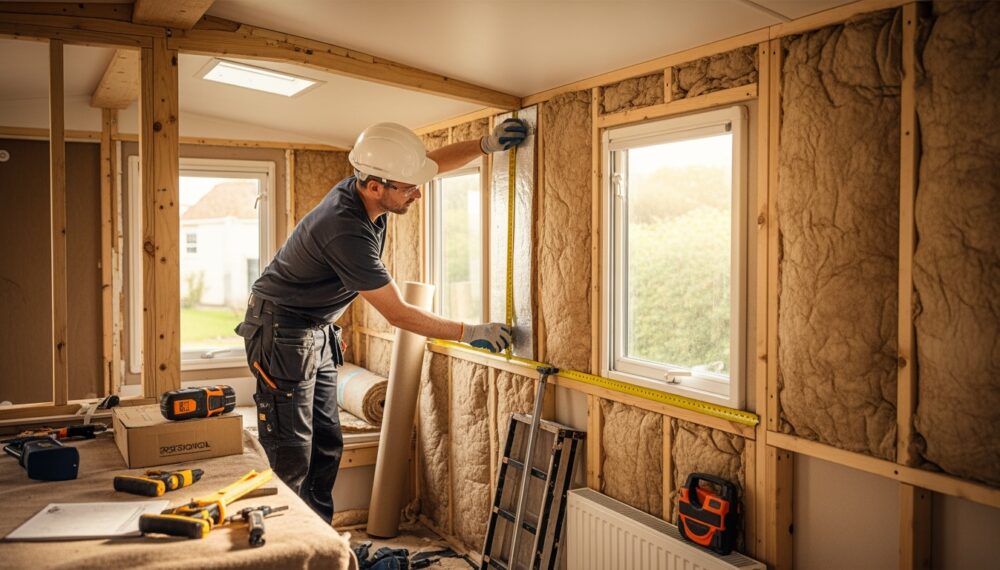
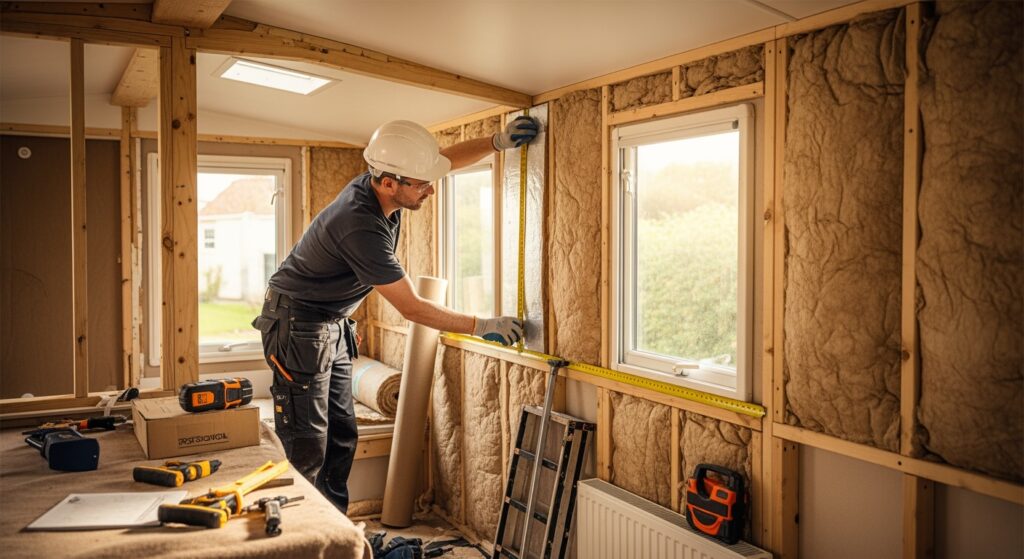
Upgrading your caravan’s roof and walls with foam board or reflective insulation panels can dramatically reduce heat loss. Modern insulation solutions help retain warmth during colder months and improve overall energy efficiency, making your caravan more comfortable year-round.

Floor Insulation

Cold can easily seep through the floor, especially in older caravans. Using carpet underlays, insulated flooring boards, or thermal mats provides a barrier against the chill, keeping your feet warmer and reducing the workload on your heating system.

Windows and Doors

Windows and doors are common sources of draughts. Installing double-glazed windows, thermal film, or weatherstripping helps seal gaps and prevent heat from escaping, maintaining a consistent indoor temperature and saving energy.

Curtains and Blinds

Thermal or reflective curtains and blinds add an additional layer of insulation against cold air from windows. They not only block draughts but also help retain warmth at night, contributing to a cozier and more energy-efficient caravan environment.

Layered Insulation Approach

For maximum energy efficiency, combine roof, wall, floor, and window insulation strategies. A layered approach creates multiple barriers against heat loss, improving comfort, reducing heating costs, and ensuring your caravan stays warm in all seasons.

Reducing Heat Loss and Drafts

Even the best heating and insulation can be compromised by small gaps and leaks. Address these common areas:

  • Seal gaps and vents: Use silicone or weatherstripping around windows, doors, and vents to prevent unwanted drafts.
  • Draft excluders: Place them on floors and under doors to block cold air entry.
  • Ventilation balance: Ensure your caravan has adequate ventilation to prevent condensation without letting warm air escape.

Reducing drafts not only keeps you warmer but also allows heating systems to operate more efficiently, saving energy and money.

Energy-Saving Habits and Practical Tips

Small changes in daily routines can make a significant difference:

  • Turn off unused appliances: Lights, kettles, and chargers consume unnecessary energy when left on standby.
  • Use timers and motion sensors: Automate lighting and heating to avoid wasted energy.
  • Layer clothing and bedding: Wearing warm layers and using blankets reduces reliance on heating systems.
  • Seasonal checks: Inspect seals, insulation, and heaters before winter and summer to maintain efficiency.
  • Smart water usage: Only heat the water you need and avoid leaving taps running unnecessarily.

These habits complement your technical upgrades, ensuring maximum energy savings over time.

Final Thoughts

Energy efficiency in a static caravan combines the right heating systems, effective insulation, and smart daily habits. By assessing your caravan’s current setup, upgrading insulation, maintaining heating equipment, and implementing energy-saving routines, you can enjoy a warm, comfortable, and cost-effective environment.

At HD Caravans, we understand how important energy efficiency is for caravan owners. Whether you need advice, practical tips, or professional guidance on heating and insulation improvements, our team is here to help. Implementing these strategies ensures your caravan remains a cosy, eco-friendly retreat for years to come.

FAQs

Use thermal curtains, draft excluders, and layer rugs and blankets. Focus heating only on occupied areas and maintain appliances for efficiency.

Yes. Improved wall, roof, and floor insulation reduces heat loss, lowers energy costs, and keeps the caravan comfortable year-round.

Modern electric heaters with thermostats, LPG boilers, and infrared panels are efficient. Choose based on caravan size, usage, and local energy costs.

Maintain proper ventilation, use moisture-absorbing products, and avoid over-drying clothes indoors. Insulation also helps regulate temperature.

Yes. Solar panels, heat pumps, and energy-efficient electric heaters can reduce reliance on fossil fuels while maintaining warmth.

Essential Safety Checks Every Static Caravan Owner Should Know

Owning a static caravan in the UK, whether in Devon, Cornwall, or along the scenic coasts, offers a wonderful retreat for family holidays and weekend escapes. However, like any home, safety should always be a top priority. Ensuring your caravan is well-maintained and regularly inspected protects your family, prevents accidents, and safeguards your investment. This comprehensive guide covers the essential safety checks every static caravan owner should know, helping you maintain a secure, comfortable, and compliant unit.

Why Regular Safety Checks are Crucial?

Regular safety inspections are more than just a precaution—they’re a legal, financial, and personal responsibility. Here’s why they matter:

  • Protecting lives: A well-maintained caravan reduces the risk of accidents caused by faulty gas, electrical issues, or structural weaknesses.
  • Insurance compliance: Many insurance providers require documented safety checks. Failure to comply can invalidate coverage.
  • Park compliance: Holiday parks and residential sites often have specific safety regulations that must be met.
  • Longevity: Regular maintenance ensures the caravan lasts longer, preserving value and functionality.

Regular checks also give owners peace of mind, allowing them to enjoy their holidays without worrying about hidden hazards.

we buy static caravan

Structural and Exterior Safety Checks

The exterior and structural integrity of your caravan form the first line of safety. Routine inspections prevent costly repairs and hazards. Key checks include:

  • Body and roof: Look for cracks, holes, or corrosion. Small leaks can escalate, causing water damage and mould.
  • Windows and doors: Ensure seals are intact and locks function properly to prevent drafts, water ingress, or security issues.
  • Chassis and supports: Verify the caravan is level and stable. Inspect wheel bearings, axles, and jacks for wear or rust.
  • External fixtures: Steps, railings, decks, and balconies should be secure and free of rot or damage.

A structurally sound caravan reduces the risk of accidents, ensures comfort, and protects internal systems from damage.

Gas System Safety Checks

Gas safety is one of the most important aspects of maintaining a static caravan, as faults or leaks can result in fires, explosions, or carbon monoxide hazards. To keep your system safe, it’s essential to have it inspected annually by a Gas Safe registered engineer, and to routinely check cylinders, regulators, and hoses for signs of corrosion, damage, or leaks.

In addition, all gas appliances, including cookers, heaters, and boilers, should be regularly tested to ensure they function correctly, and any faulty units should be replaced immediately. Familiarising yourself with gas leak warning signs, such as the smell of gas or unusual hissing noises, is crucial. Consistent maintenance and professional servicing help guarantee that your caravan’s gas system remains fully safe and compliant.

Electrical System Safety Checks

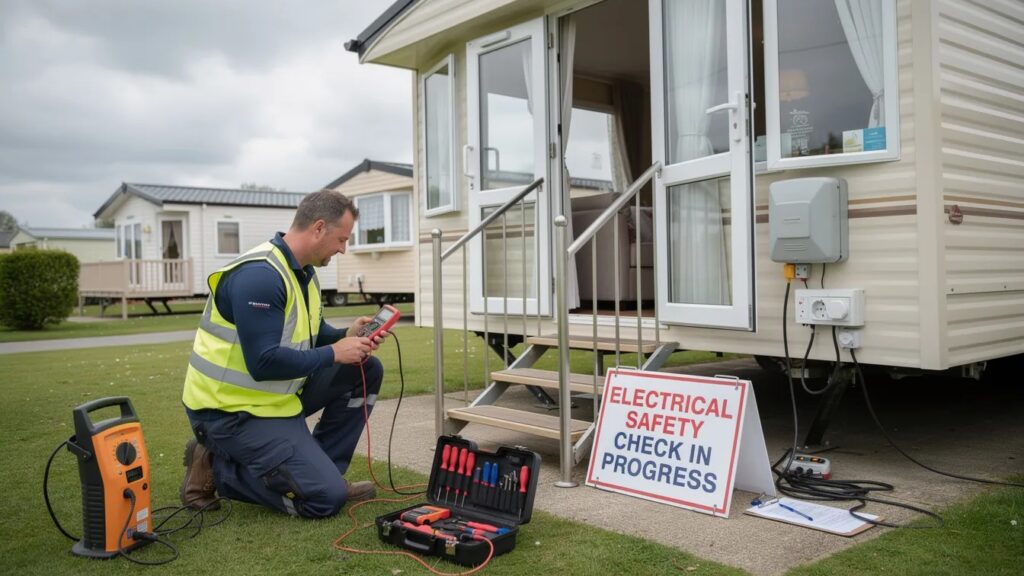
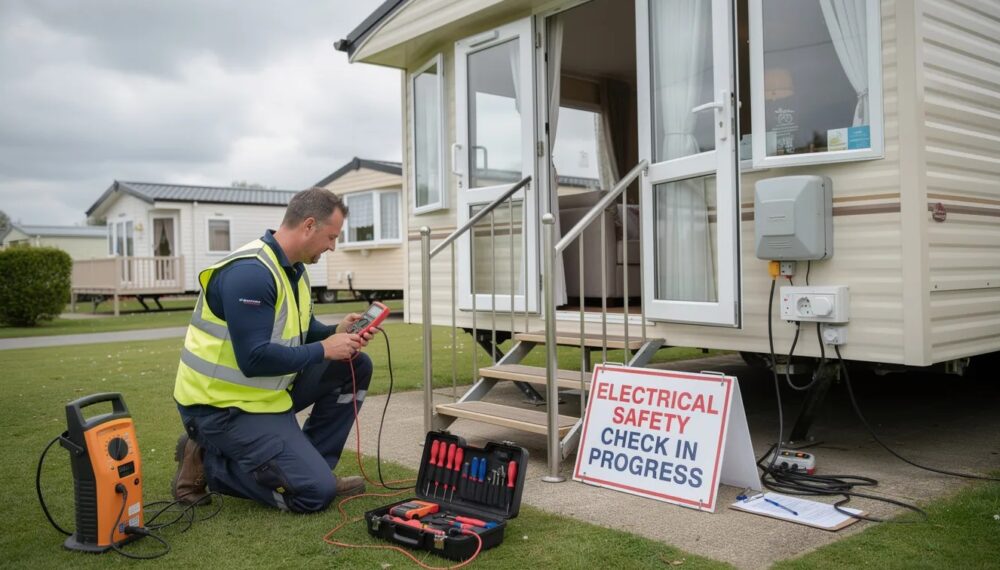
Electrical faults are a leading cause of fires in caravans. Ensuring your system is safe is critical. Key checks include:

Internal wiring and sockets: Inspect for frayed wires, scorch marks, or loose connections.

Residual Current Devices (RCDs): Test regularly to ensure they trip correctly in case of a fault.

Appliances: Check kettles, heaters, and other devices for damage or malfunction.

External connections: Inspect mains plugs and cables for wear, especially if exposed to outdoor conditions.

Professional electrical inspections are recommended at least every three years, and more frequently if the caravan is older or heavily used.

Plumbing and Water System Checks

Water systems, if neglected, can lead to leaks, water damage, or hygiene issues. Owners should perform the following checks:

  • Pipe and tap inspections: Look for leaks, cracks, or corrosion. Repair promptly.
  • Drainage systems: Ensure waste pipes are unobstructed and drains flow freely.
  • Water hygiene: Flush systems regularly and disinfect as needed to prevent bacterial growth.
  • Winter preparation: In cold months, drain pipes and water tanks or use antifreeze to prevent freezing and bursts.
  • Boilers and hot water systems: Test for proper function and check safety valves.

Routine plumbing maintenance prevents costly repairs and ensures safe, clean water supply for all users.

Fire Safety and Emergency Preparedness

Fire safety is paramount in a confined space like a caravan. Following these steps can save lives:

Smoke and carbon monoxide alarms: Install on every level and test monthly. Replace batteries as needed.

Fire extinguishers: Keep a suitable extinguisher easily accessible and ensure it’s regularly inspected.

Escape planning: Identify exit routes and practice emergency evacuation procedures with family members.

Flammable materials: Store fuel, gas, and chemicals safely, away from heat sources.

Being prepared can significantly reduce injury or damage in the event of an emergency.

Interior Safety and General Maintenance

Interior safety is often overlooked but plays a crucial role in ensuring comfort and preventing accidents inside your caravan. Check furniture and flooring for loose or damaged items that could cause trips or falls, and make sure all cupboards, drawers, and shelves are securely fastened, particularly if the caravan is moved or in transit.

Additionally, inspect all electrical appliances to ensure they are functioning safely, and look for signs of pests such as rodents or insects that can damage wiring or insulation. Proper ventilation is also essential to reduce condensation, damp, and mould growth. Keeping the interior well-maintained not only protects occupants but also helps prolong the lifespan of your caravan.

Documentation and Compliance Checks

Keeping proper records ensures you stay compliant with laws, park rules, and insurance requirements:

Safety certificates: Maintain gas, electrical, and fire inspection records.

Maintenance logs: Track repairs, upgrades, and inspections for easy reference.

Licence and park compliance: Ensure all documentation aligns with park rules, especially for holiday or residential-use caravans.

Insurance documentation: Provide accurate and updated safety records to your insurer.

Proper documentation not only ensures compliance but also simplifies future transactions or resale.

Tips for Maintaining a Safe Caravan Year-Round

Maintaining a safe caravan year-round requires a proactive and structured approach. Schedule seasonal inspections, particularly before winter and summer, to address weather-related risks and ensure all systems are functioning properly. Always hire certified professionals for gas and electrical work, and regularly educate family members or occupants on basic safety procedures, including testing alarms and knowing emergency routines.

Preventative maintenance is also key, tackling minor issues promptly can prevent them from becoming major hazards later. By combining regular inspections, professional servicing, and informed occupants, you can keep your caravan safe, comfortable, and fully compliant throughout the year.

Final Thoughts

Safety is an ongoing responsibility for every static caravan owner. By regularly inspecting your caravan’s structure, gas, electrical, plumbing, and fire systems, and keeping up with interior maintenance, you can protect your family, preserve your investment, and enjoy peace of mind during every visit.

At HD Caravans, we understand the importance of caravan safety and maintenance. Whether you need advice, professional inspections, or support with maintaining your caravan in Devon and across the UK, our experienced team is here to guide you. Following these essential safety checks ensures your caravan remains a safe, comfortable, and enjoyable retreat for years to come.

FAQs

Your caravan’s gas system should be inspected annually by a Gas Safe registered engineer to ensure it’s safe and compliant. In addition, owners should perform monthly visual checks for leaks or signs of damage. Prompt attention to any issues can prevent serious hazards such as fires or carbon monoxide leaks.

You can carry out basic visual inspections, such as checking sockets, plugs, and wiring for obvious damage. However, a qualified electrician should perform a full electrical safety check at least every three years. Professional inspections help prevent fire risks and ensure your caravan meets safety standards.

Minor issues, like small cracks or loose fixtures, should be addressed immediately to avoid further deterioration. For serious problems, such as rust, significant cracks, or chassis damage, contact a professional caravan technician. Early intervention can prevent costly repairs and maintain the caravan’s safety and value.

Yes, UK regulations require all static caravans to have smoke and carbon monoxide detectors installed. These devices must be functional and regularly tested to ensure they provide early warning in case of fire or gas leaks. Proper alarm maintenance is essential for the safety of everyone on board.

Regularly inspect window seals, roof seals, and plumbing for leaks or damage, especially after heavy rain. Ensure adequate ventilation in all rooms to reduce condensation and mould growth. Taking these preventative steps helps keep your caravan dry, comfortable, and structurally sound.

Scroll to top