Winter-Proofing Your Static Caravan: A Complete Checklist for UK Owners
Owning a static caravan is a fantastic way to enjoy getaways, seasonal stays, or even extended breaks across the UK. However, as temperatures drop and winter approaches, static caravans become particularly vulnerable to cold-related damage if they’re not properly prepared.
From frozen pipes and damp interiors to electrical issues and costly repairs, winter can quietly take a toll on a caravan that hasn’t been winter-proofed correctly. Whether your caravan will remain occupied, used occasionally, or left empty over the colder months, taking the right preventative steps now can save significant time, stress, and money later.
This complete checklist is designed to guide you through every essential aspect of winter-proofing your static caravan, helping you protect its structure, systems, and long-term value.
Why is Winter-Proofing a Static Caravan Essential?
Static caravans are not built in the same way as traditional brick-and-mortar homes. They have lighter construction, exposed pipework, and systems that are far more sensitive to temperature changes.
Without proper winter preparation, caravan owners commonly face:
- Frozen or burst pipes, leading to internal water damage.
- Damp, mould, and condensation, particularly in bedrooms and storage areas.
- Roof or seal damage from prolonged exposure to wind, rain, and frost.
- Electrical faults caused by moisture ingress.
- Reduced resale value due to hidden winter damage.
In the UK, winter conditions can be unpredictable. Even relatively mild regions can experience sudden cold snaps that cause serious issues overnight. Winter-proofing isn’t just a precaution, it’s a necessary part of responsible caravan ownership.
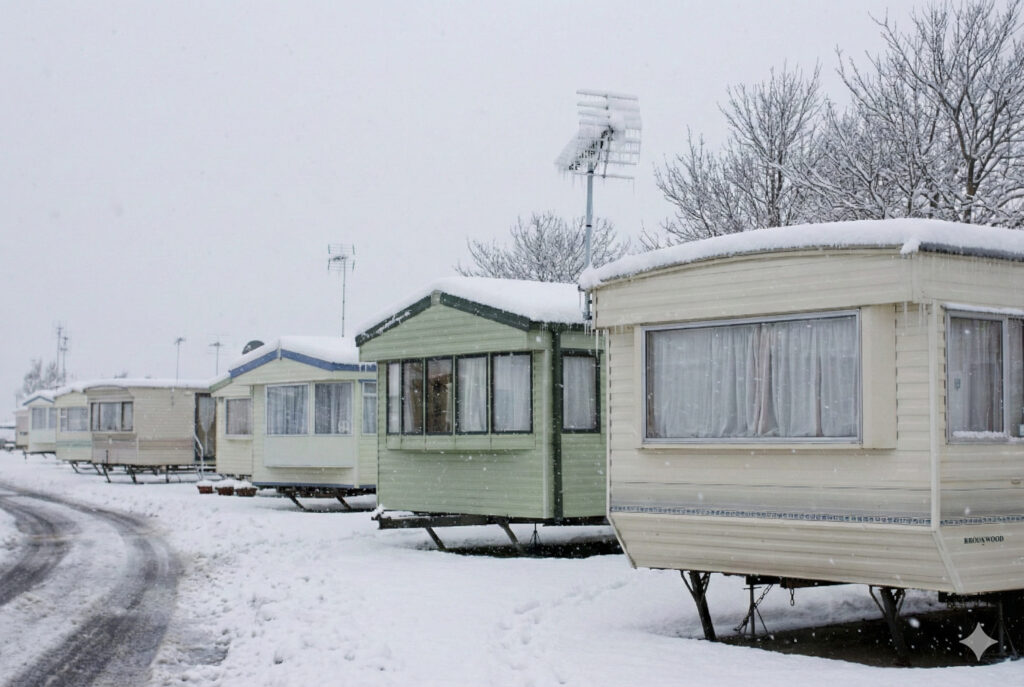
Before You Start – Assess Your Caravan’s Winter Use
Before carrying out any winter-proofing tasks, it’s important to understand how your caravan will be used over winter, as this affects what steps are required.
Consider the following:
- Will the caravan be occupied, used occasionally, or left vacant?
- Does your holiday park allow winter occupation?
- Will electricity and water remain connected?
- Are there site-specific winter rules or insurance conditions?
A caravan left unoccupied for several months needs far more protection than one used regularly. Some parks also require caravans to be drained down completely once temperatures drop. Always check site policies and your insurance terms before proceeding.
Exterior Winter-Proofing Checklist
The exterior of your static caravan serves as the first line of defence against harsh winter weather. Any weaknesses in the outer structure can quickly lead to internal damage, so it’s essential to carry out thorough checks and maintenance before temperatures drop.
Inspect the Roof, Gutters, and Seals
Start by examining the roof for any cracked panels, loose fixings, or areas where sealant has worn away. Clearing gutters and downpipes of leaves, dirt, and other debris is equally important to ensure water can drain freely and prevent pooling. Blocked gutters are a common cause of winter leaks and often go unnoticed until spring, so taking the time to keep them clean can save significant repair costs later.
Check Windows, Doors, and Vents
Next, inspect all rubber seals around windows and doors for cracks or gaps. Replace any worn draught seals to help retain warmth inside the caravan while still allowing necessary airflow. It’s also important to ensure that ventilation points are clear but shielded from driving rain, as this prevents moisture ingress that can lead to damp or mould.
Secure the Underside and Skirting
Finally, turn your attention to the caravan’s underside. Check that skirting panels are intact, properly fitted, and free of gaps that could allow cold air to circulate beneath the caravan. While ensuring that ventilation points remain unblocked, repairing or reinforcing skirting significantly reduces exposure to frost, protecting both your pipes and flooring from the worst of winter conditions.
Plumbing & Water System Protection
The plumbing system is one of the most vulnerable areas of a static caravan during winter. Freezing temperatures can cause pipes to burst, water tanks to crack, and appliances to malfunction, so careful preparation is essential.
Drain Down the Water System
If your caravan will be unoccupied over the winter months, begin by turning off the external water supply. Open all taps to drain any remaining water and flush toilets to empty cisterns. Water heaters and boilers should also be drained according to the manufacturer’s instructions. Even small amounts of trapped water can freeze, expand, and cause significant damage to pipes, so taking the time to fully drain the system is crucial.
Protect Pipes and Water Tanks
Exposed pipes, particularly those under the caravan, should be insulated using pipe lagging to prevent frost damage. Any external water tanks should either be drained or insulated to safeguard against freezing. This step is especially important for older caravans, which often have less insulation and are therefore more susceptible to cold-related plumbing issues.
Appliances and Bathrooms
It’s also important to prepare appliances and bathrooms for winter. Disconnect washing machines or dishwashers if fitted, and ensure that shower trays are dry and clean. Where recommended by the manufacturer, add non-toxic antifreeze to toilet systems to prevent freezing and maintain functionality.
Following these precautions carefully will protect your plumbing and keep your caravan safe throughout the colder months.
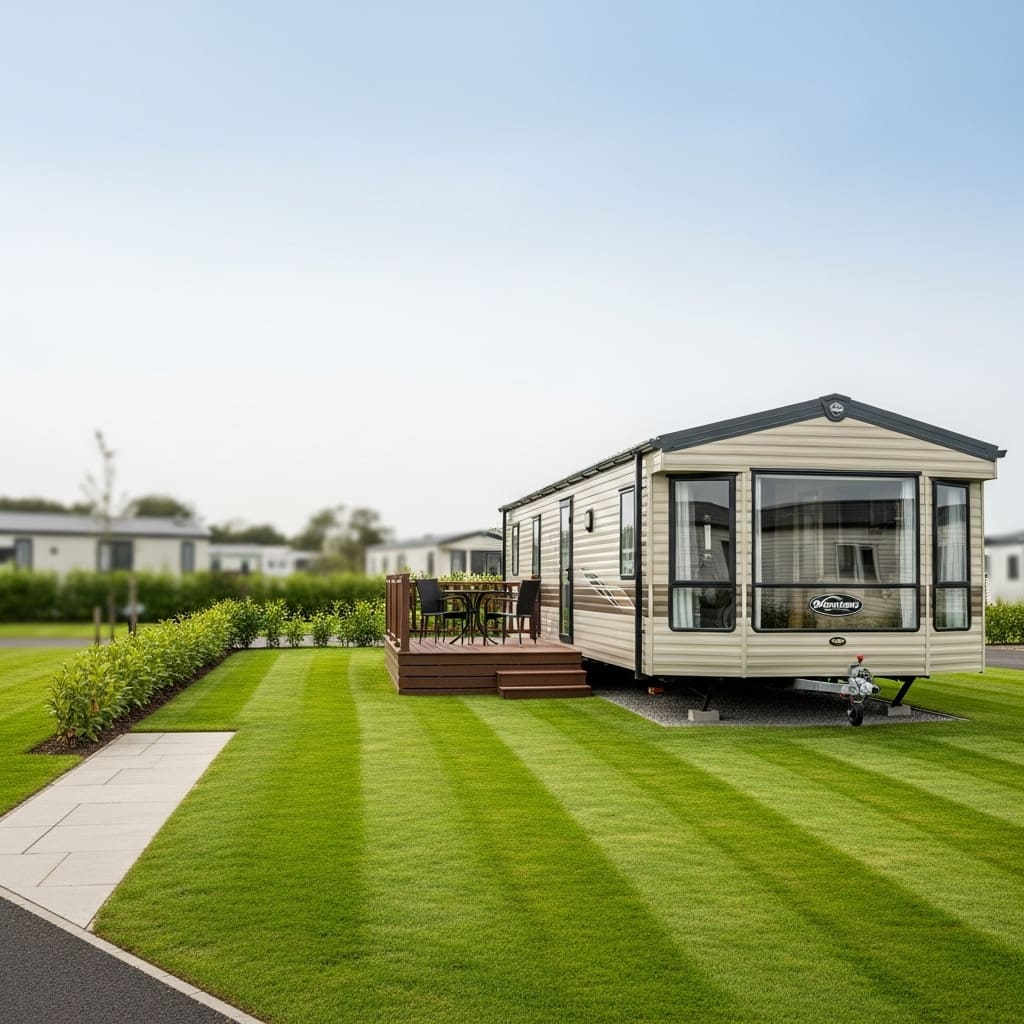
Heating & Electrical Safety for Winter
Heating and electricity must be managed carefully during winter to avoid safety risks.
Safe Heating Options
- Fixed, professionally installed heaters are safer than portable units.
- Avoid leaving portable heaters unattended.
- Never use gas heaters not designed for indoor caravan use.
- Carbon monoxide detectors should always be fitted and tested.
Electrical Checks
- Test RCDs and circuit breakers before winter.
- Check external sockets for water ingress.
- Avoid overloading extension leads.
If you’re unsure about electrical safety, a qualified electrician should inspect the system.
Preventing Damp, Mould & Condensation
Damp and condensation are among the most common winter problems in static caravans. They often occur when cold surfaces meet warm, moist air, especially in caravans that are closed up for long periods. Moisture can also build up in soft furnishings, leading to mold growth and damage to walls, flooring, and furniture if left unchecked.
To prevent damp, keep internal doors open to improve airflow, use moisture traps or dehumidifiers, and avoid sealing the caravan completely, controlled ventilation is key. If the caravan will be vacant, remove cushions and soft furnishings, and carry out regular checks throughout the winter to catch any issues early.
Security & Site Preparation
Winter months often mean fewer people on-site, increasing the importance of security.
Security Checklist
- Lock all doors and windows securely.
- Remove valuables and personal items.
- Use wheel clamps or additional locks if permitted.
- Inform site management if the caravan will be empty.
Some insurance policies require proof of security measures during long periods of vacancy.
Site Coordination
- Confirm emergency contact details with the park.
- Ask about winter inspections or site monitoring.
- Ensure access routes remain clear for severe weather.
Good communication with site operators can prevent issues from escalating.
Final Thoughts
Winter-proofing your static caravan is not a one-size-fits-all task. It takes careful planning, attention to detail, and an honest assessment of whether ongoing maintenance is worthwhile, especially for older caravans. For many owners, winter preparation can become increasingly time-consuming and costly each year.
If you find yourself repeatedly dealing with issues such as damp, plumbing failures, or rising site fees, it may be worth considering whether keeping the caravan is still the right option. In some cases, selling a static caravan before winter sets in can be a practical and stress-free alternative, helping you avoid maintenance costs altogether.
HD Caravans can provide expert advice and support throughout this process, whether you’re winter-proofing your caravan or exploring options for upgrading or selling.
FAQs
Yes. Even during mild winters, your caravan can suffer damage if not properly prepared. Carrying out winter-proofing annually helps prevent long-term wear and avoids unexpected repair costs.
If you’re using the caravan during winter, low-level heating can help maintain a comfortable temperature. For caravans that will be vacant, it’s usually safer and more cost-effective to drain the heating system completely.
To protect your plumbing, drain the water system, insulate any exposed pipes, and switch off the external water supply. These steps reduce the risk of burst pipes during freezing weather.
Yes. If left untreated, damp can lead to mold growth, structural damage, and a drop in your caravan’s overall value. Early prevention is key to avoiding costly repairs.
Older caravans that require frequent maintenance may no longer be cost-effective to keep. In such cases, selling to a specialist static caravan buyer can be a practical and stress-free alternative.